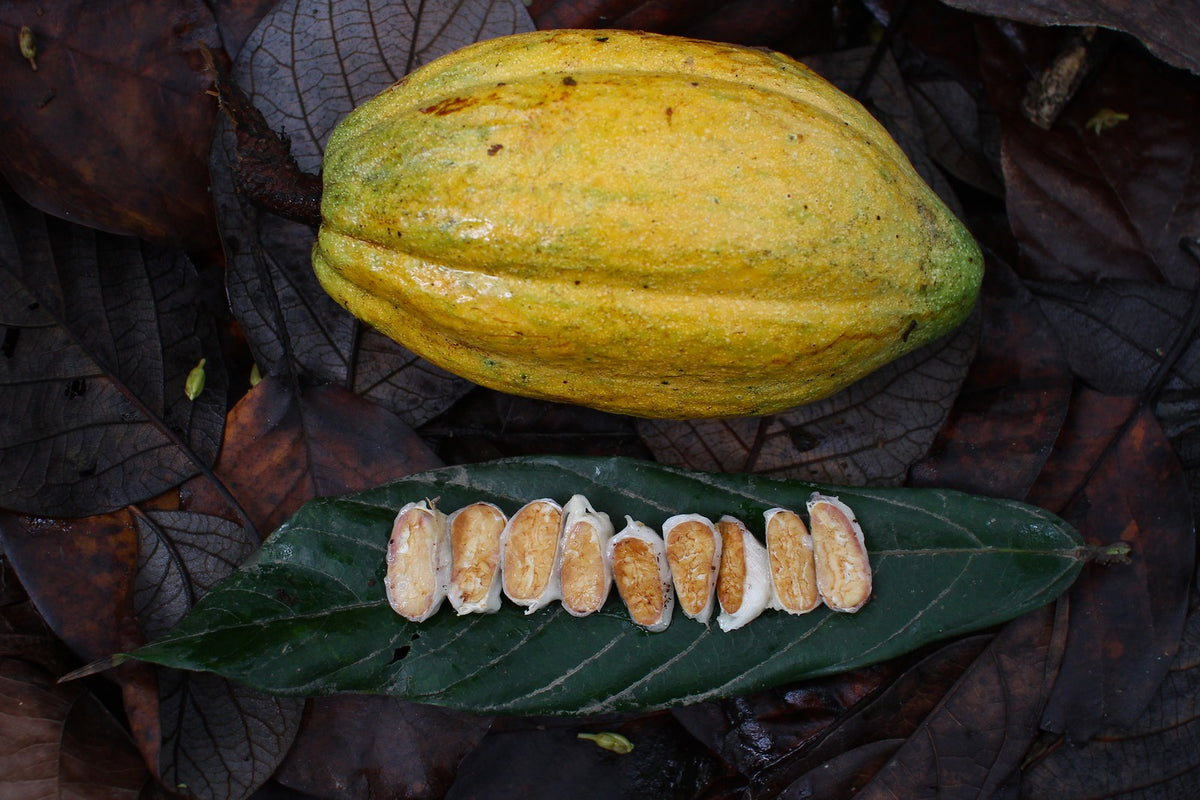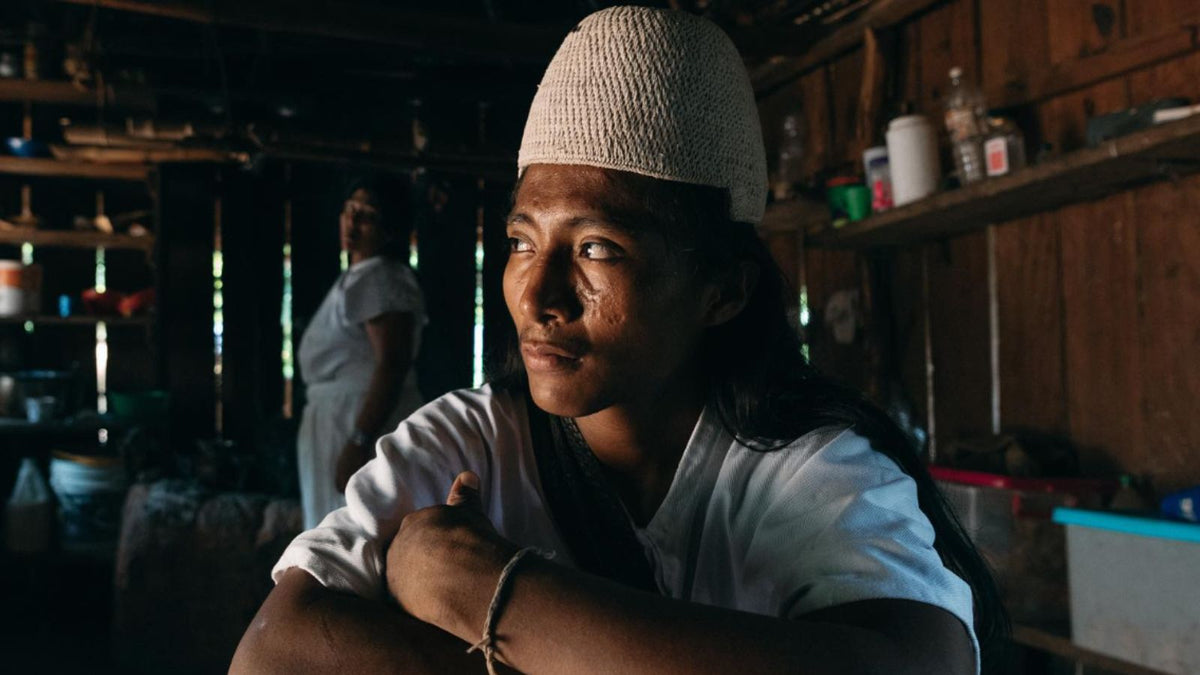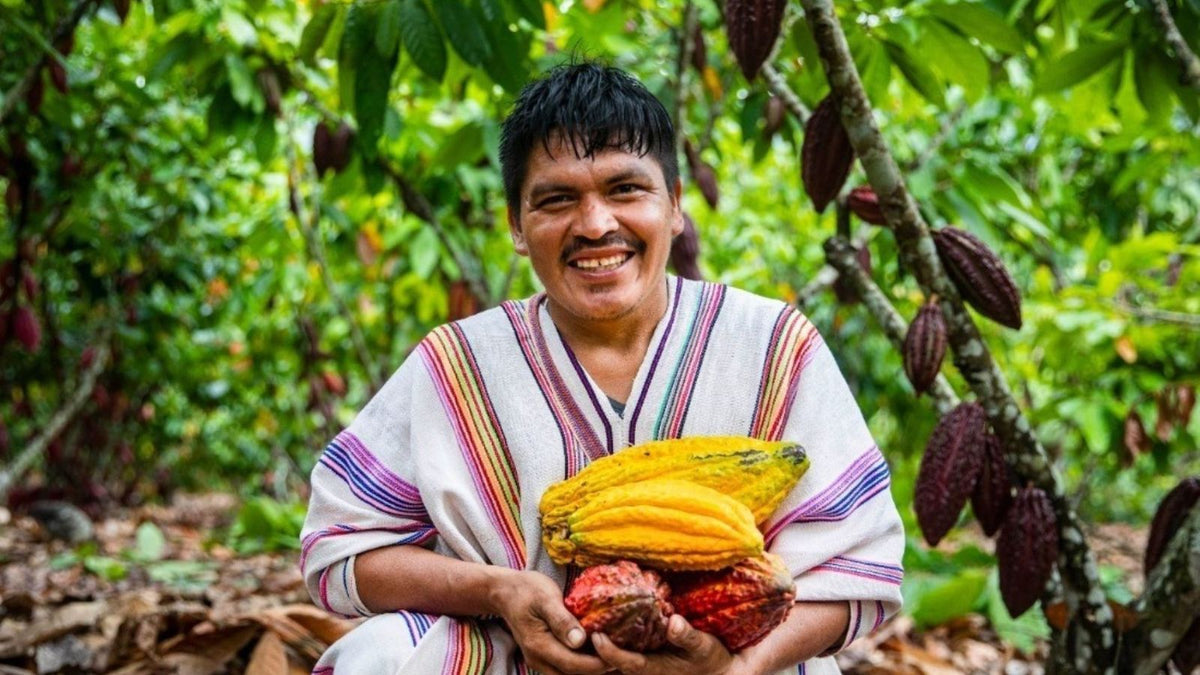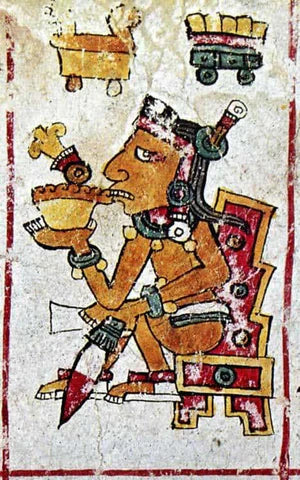
Cacao has a long history in Mesoamerica. It was used as a drink, a traded food and a culturally important ingredient long before modern wellness culture discovered cacao ceremonies. That history deserves respect, but it should not be flattened into vague spiritual marketing.
Cacao in Mesoamerica
Different Mesoamerican cultures used cacao in social, economic and ritual contexts. Today, it is useful to speak about that history carefully: cacao is old and culturally important, but not every modern cacao circle is the same as a historical ceremony.

Modern cacao ceremonies
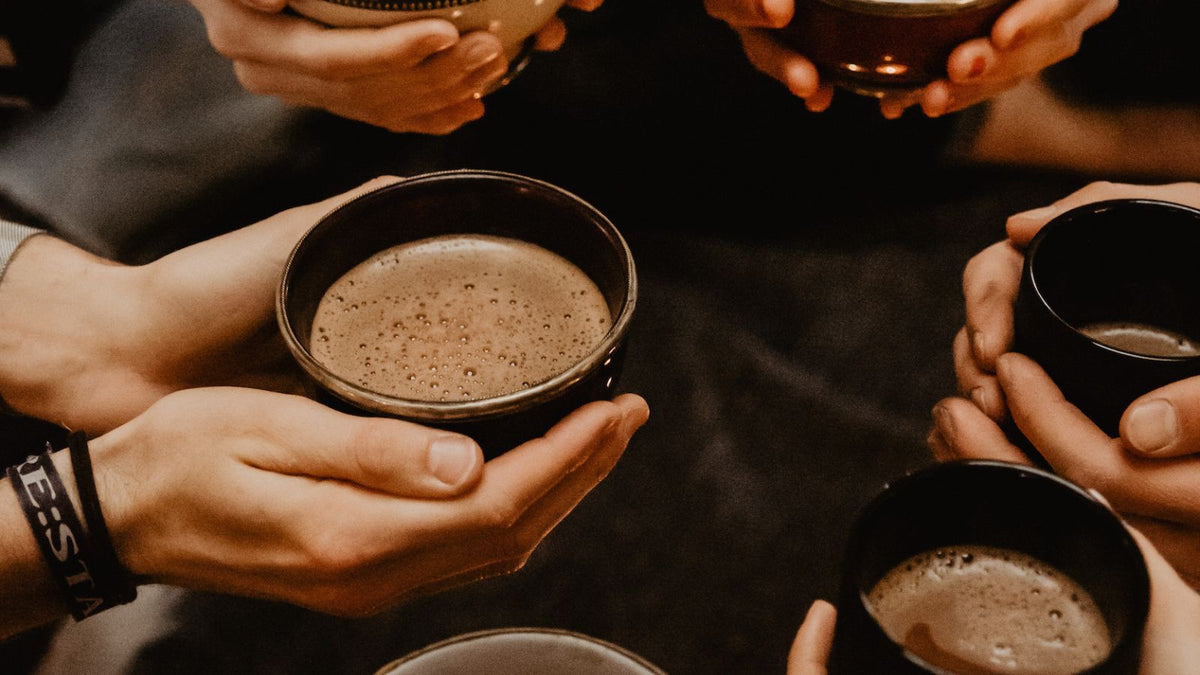
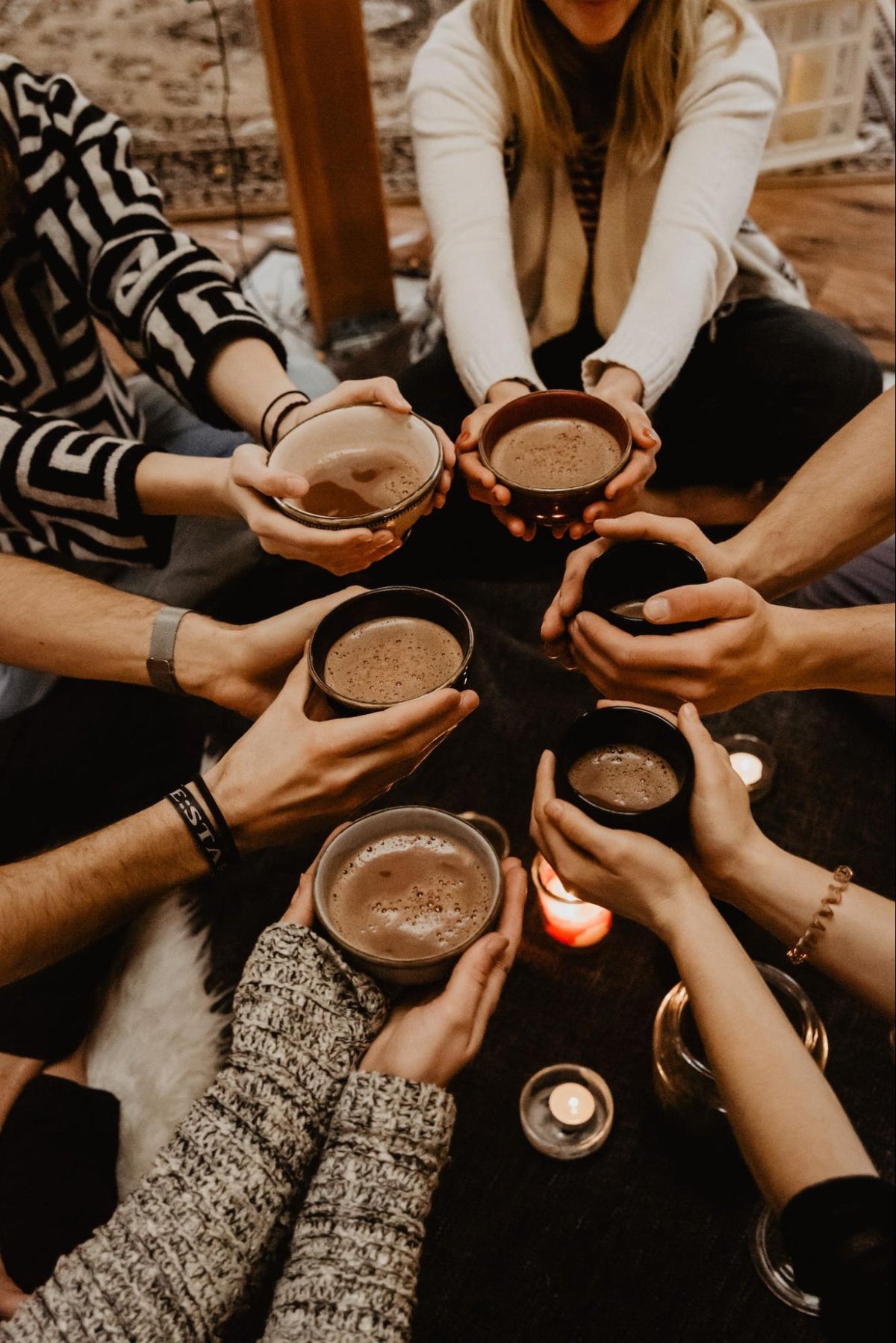
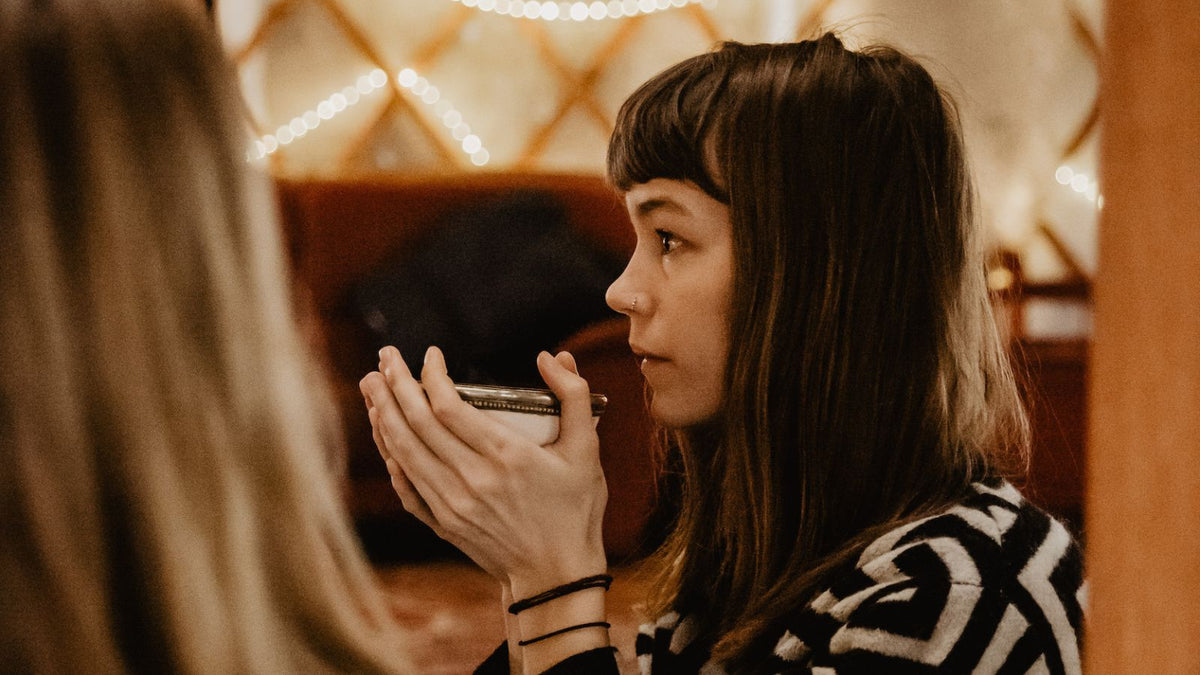
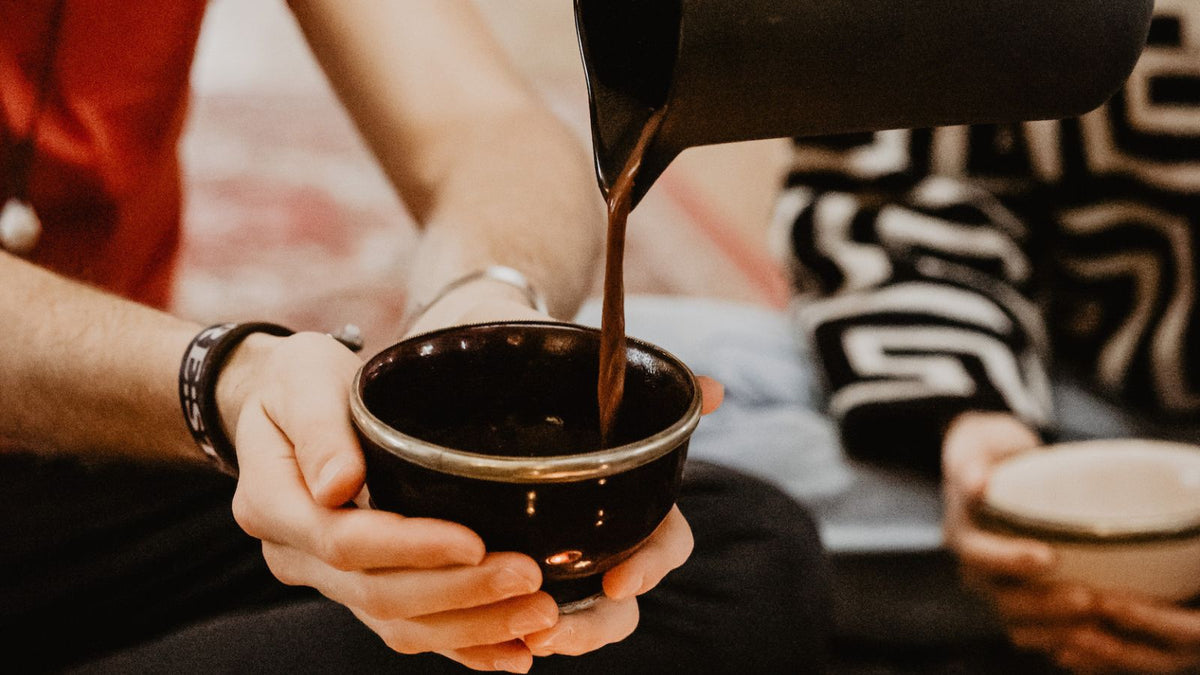
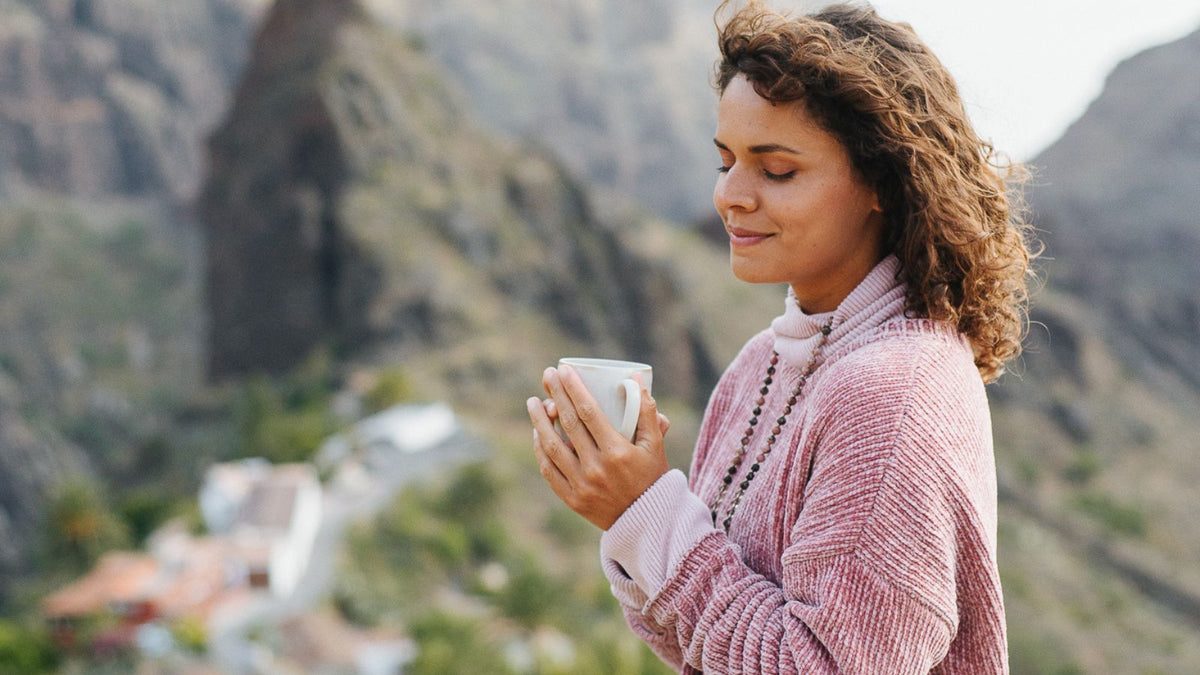
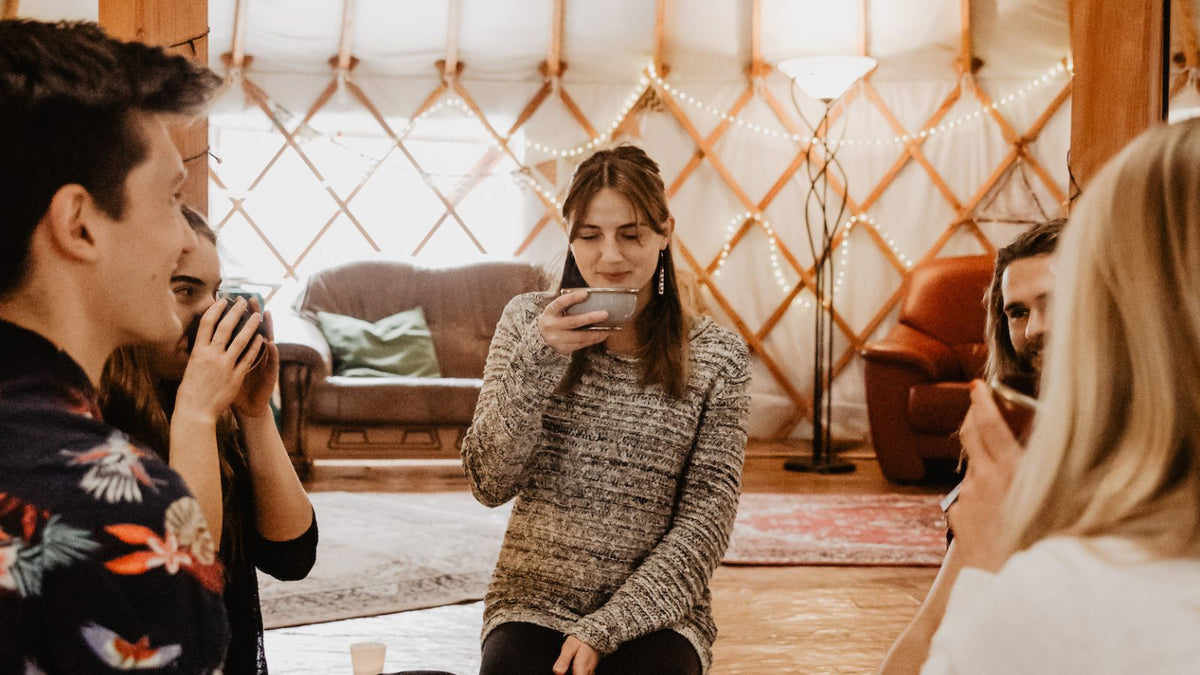
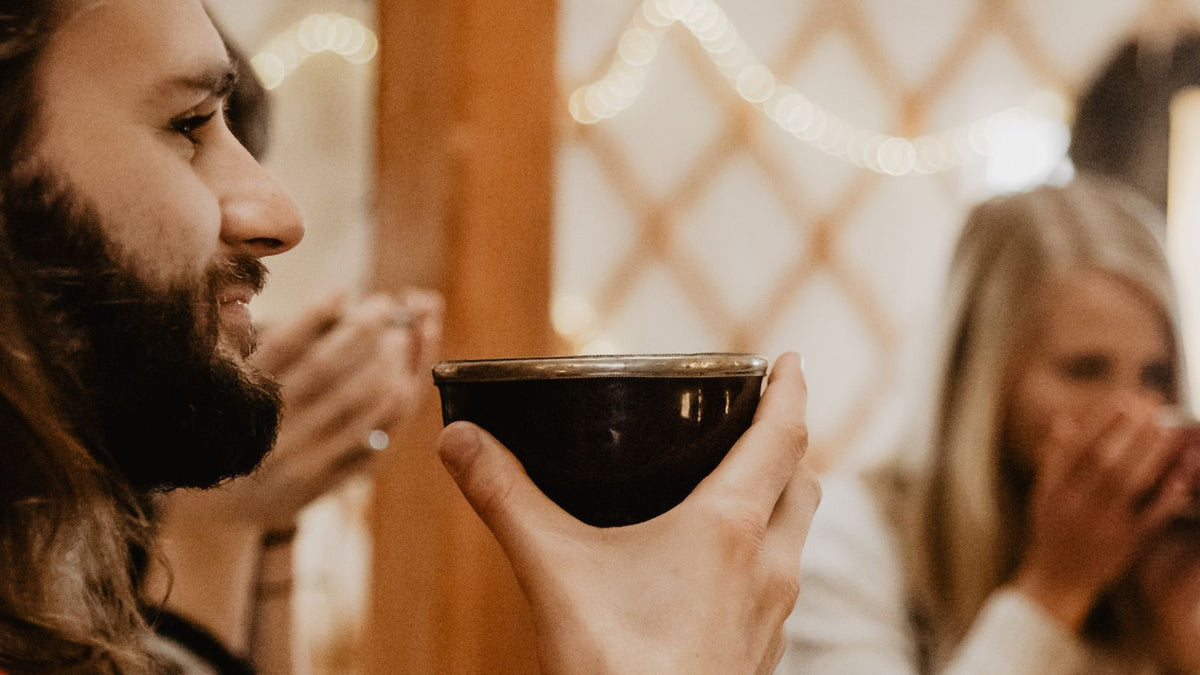
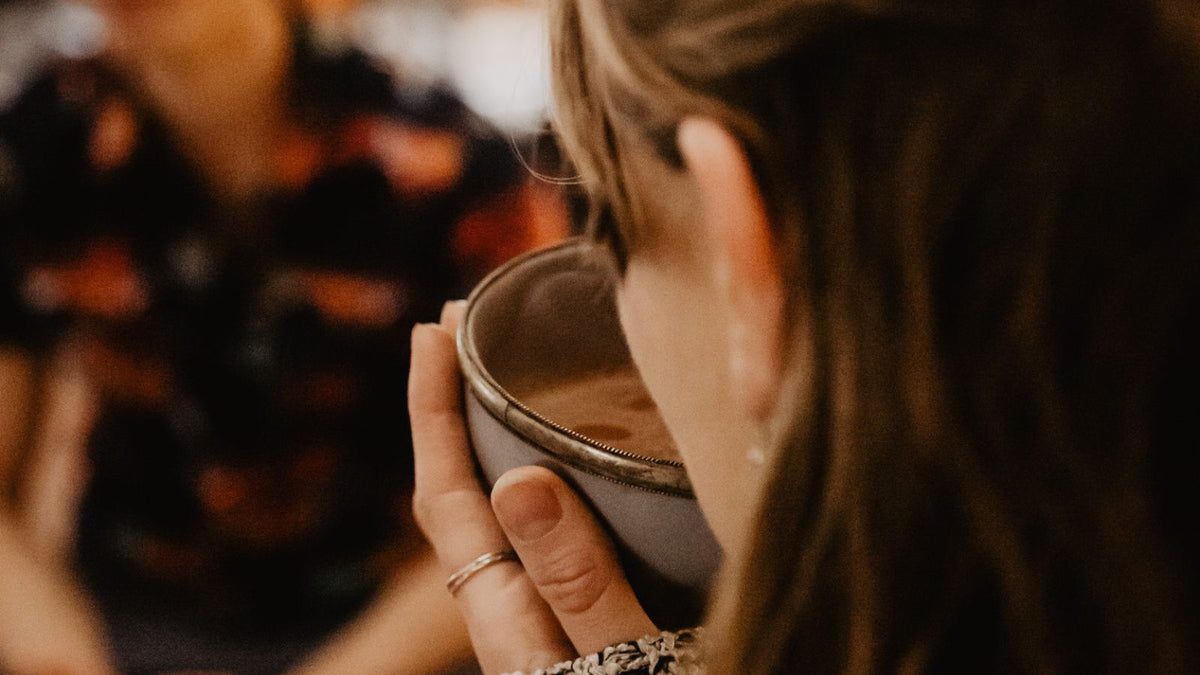
Most cacao ceremonies in Europe today are contemporary formats. They often combine 100% cacao with meditation, music, journaling, conversation or quiet time. That can be meaningful without pretending to be an unchanged ancient practice.
For a grounded introduction, read what is a cacao ceremony?.
Respectful language
Words such as sacred, shamanic or ancient should not be used as shortcuts for selling cacao. A conscious cacao ritual does not need exaggerated claims. It needs good cacao, a clear frame and honest expectations.
For the ethical side, read ethical considerations in cacao ceremonies.
What this means at Moruga
Moruga focuses on 100% cacao, origin, flavor, lab transparency and preparation. We want cacao to feel special without turning it into medicine or a promise of transformation.
If you are choosing cacao for a ritual, compare Moruga cacao varieties, try the Starter Kit, or read the guide to buy ceremonial cacao.
Conclusion
The history of cacao is rich enough without overstatement. Modern cacao ceremonies can draw inspiration from that history while staying honest about what they are: contemporary rituals built around an old and remarkable food.