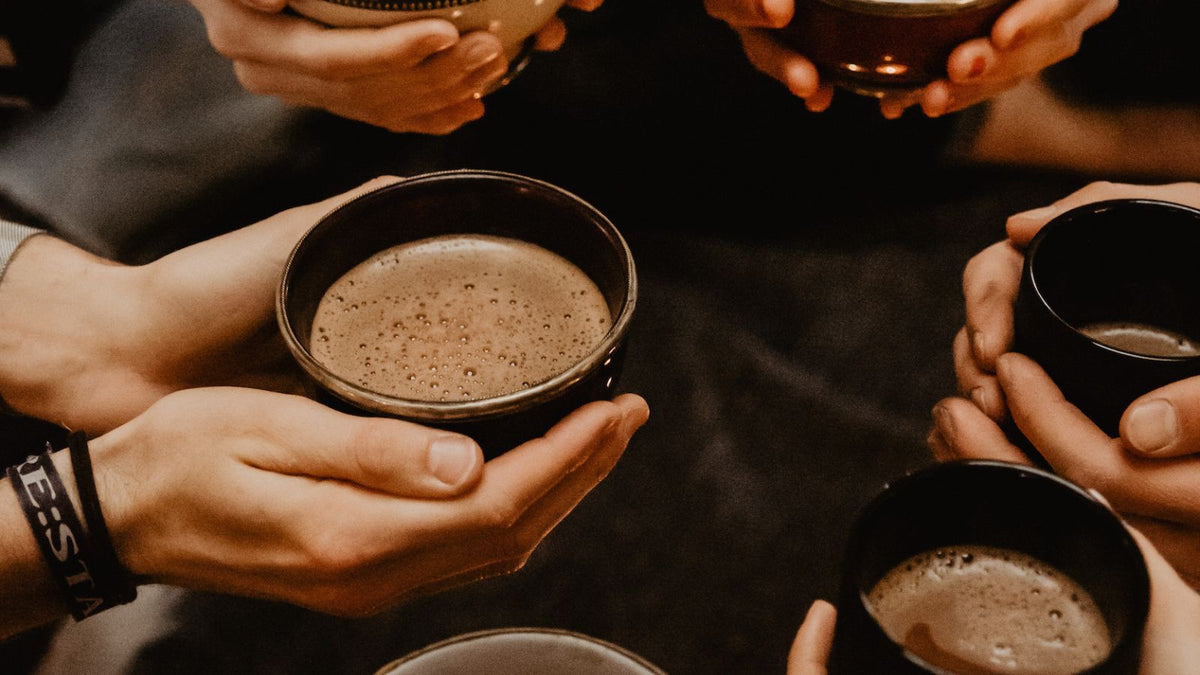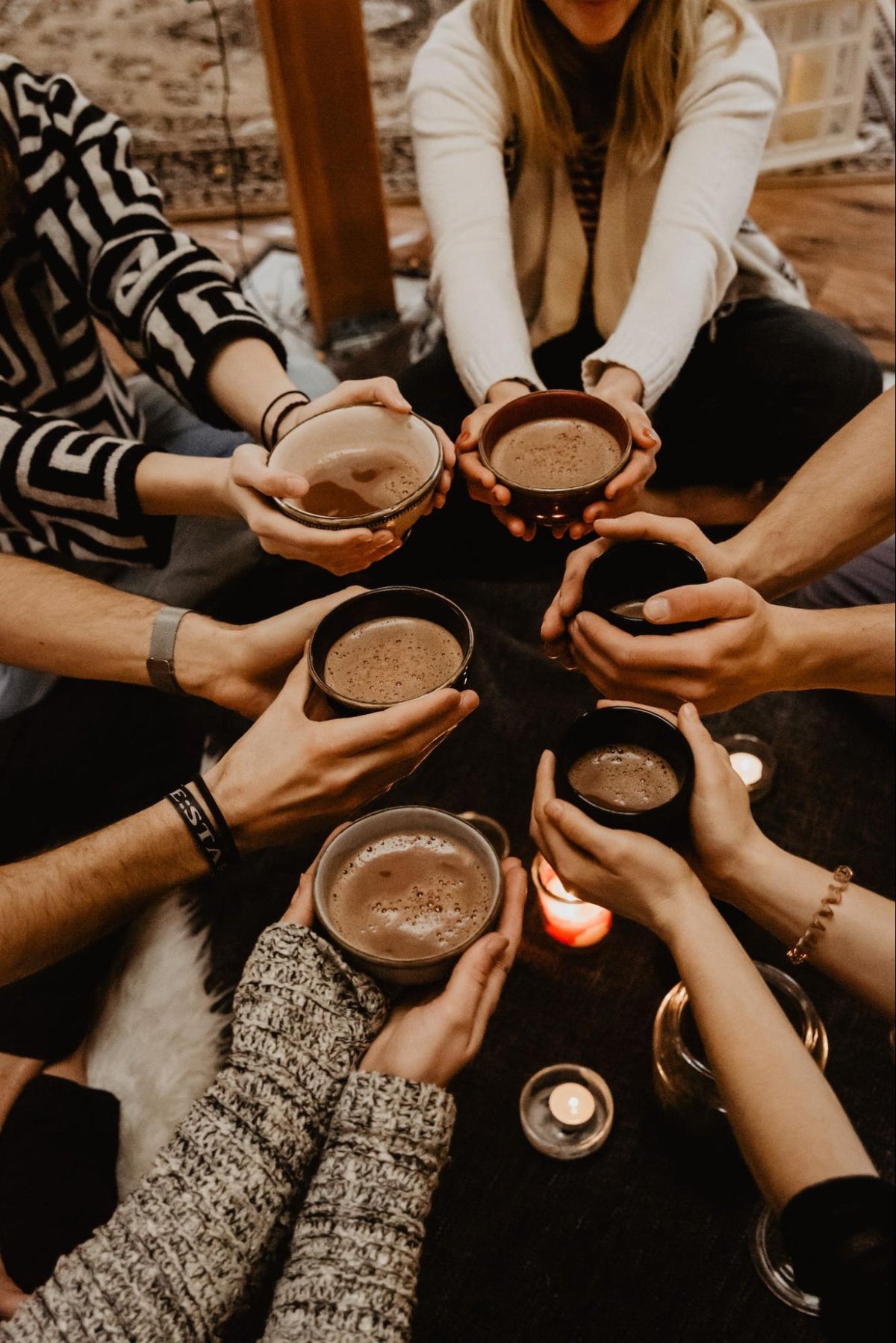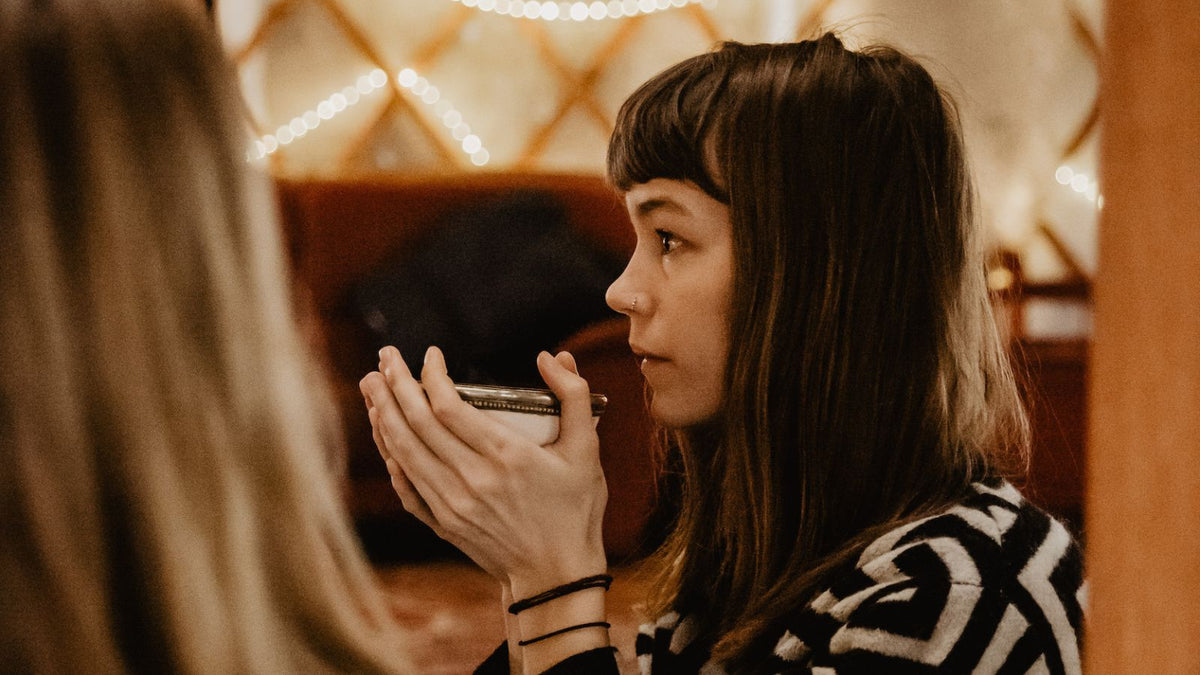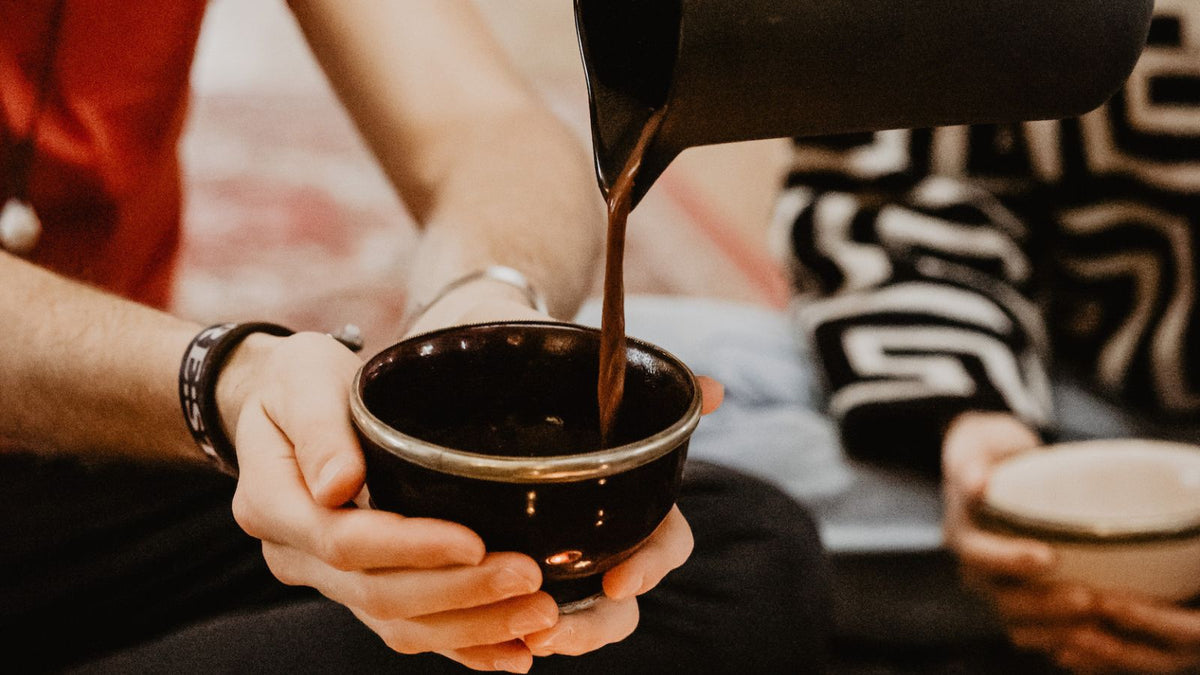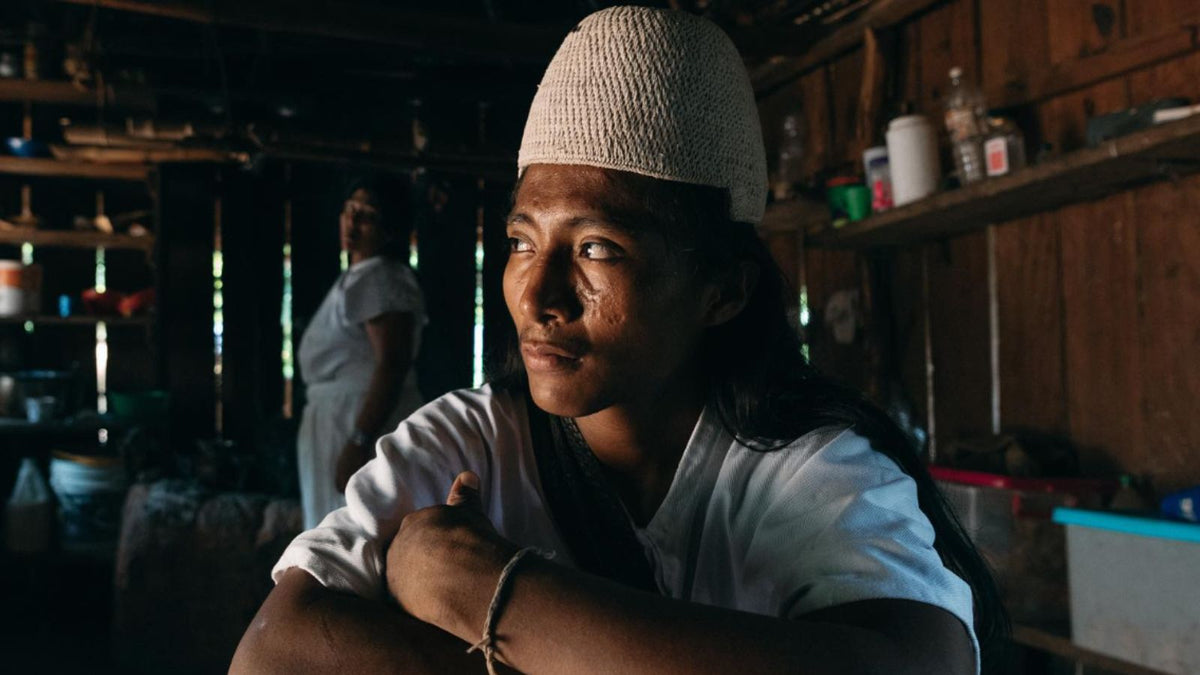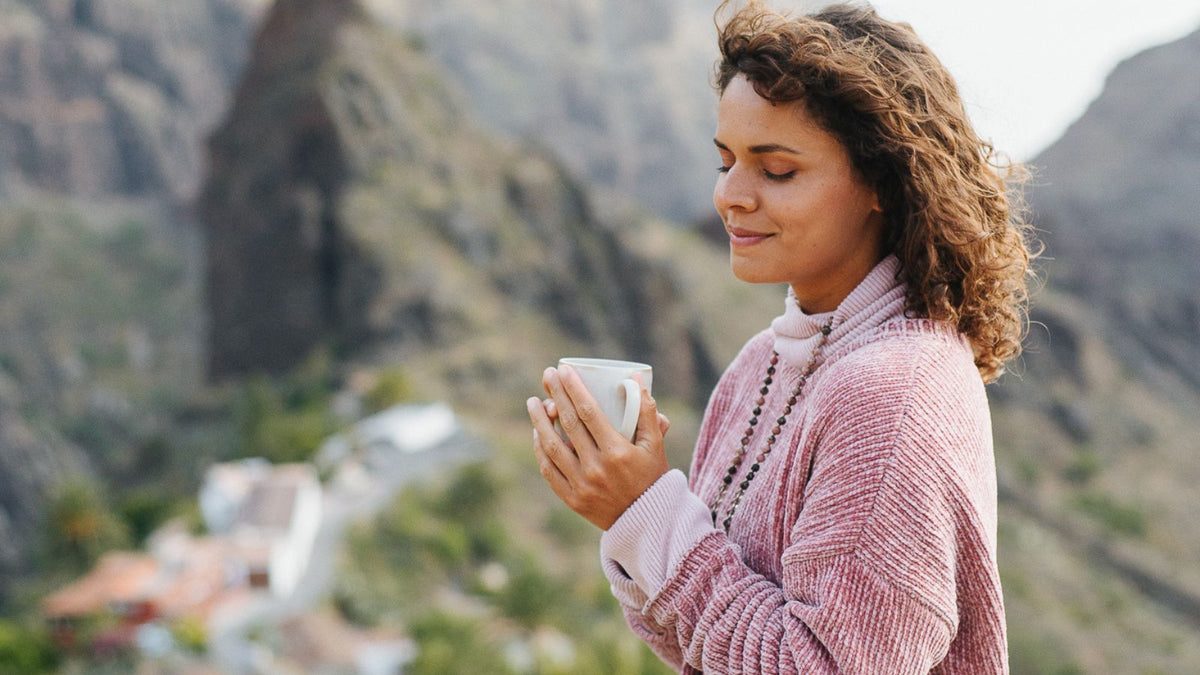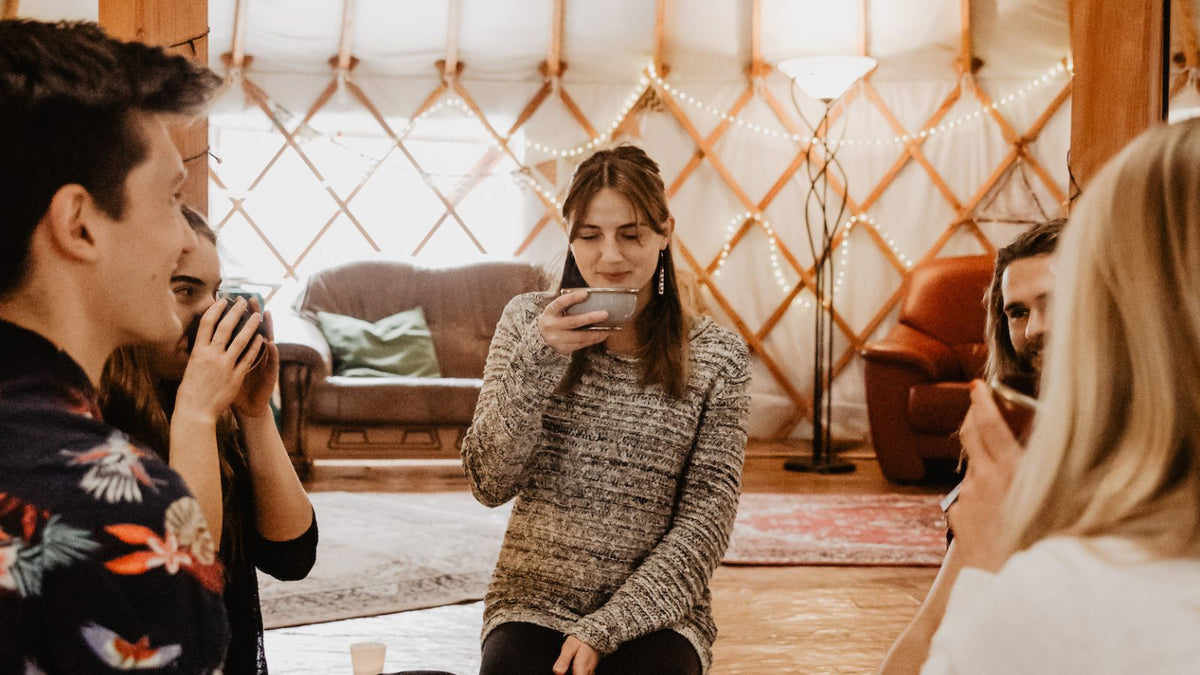



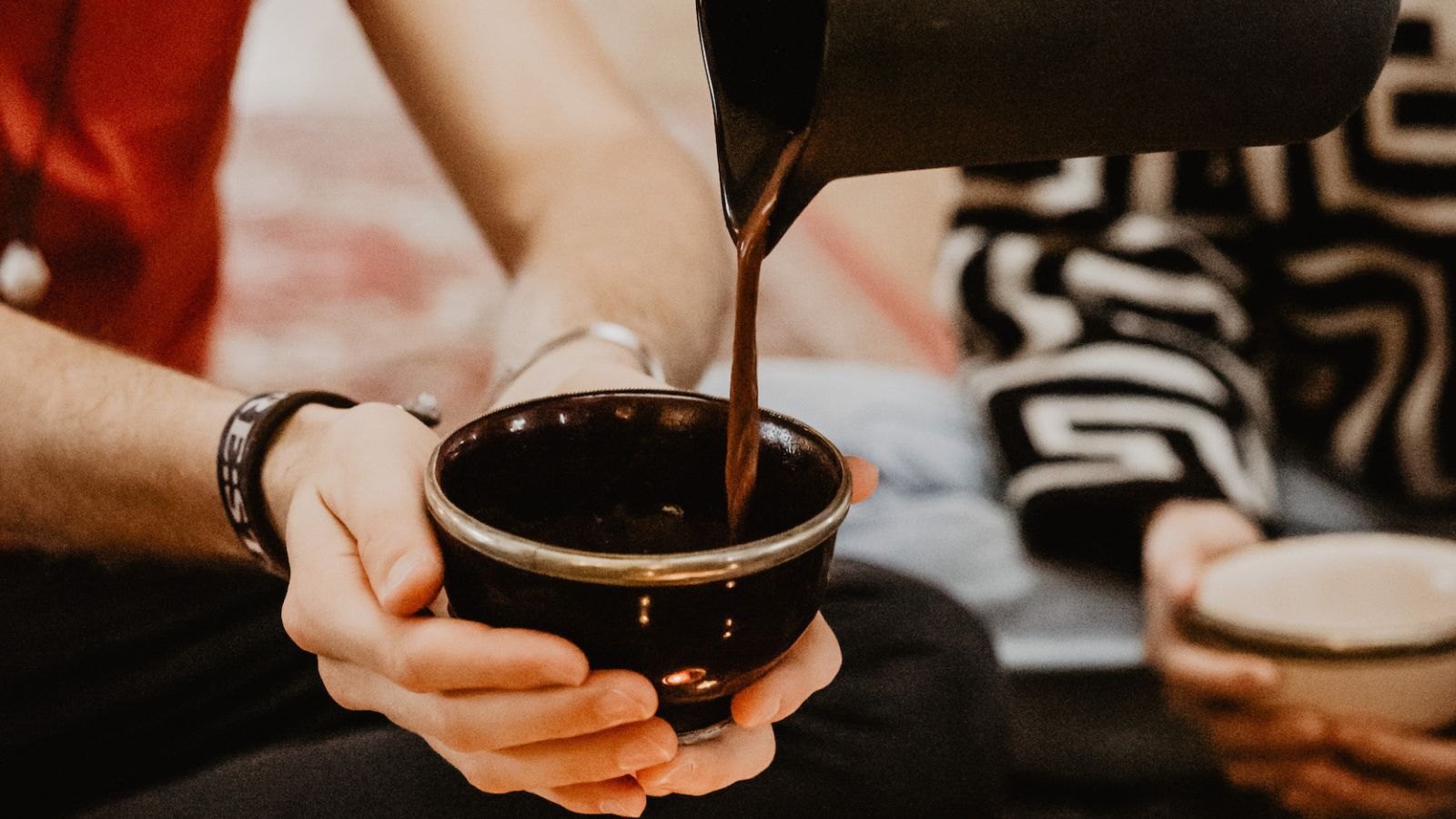
You can join a cacao ceremony or create a simple ritual yourself. Neither option needs a dramatic setup. What matters is clarity, consent, good cacao, enough time and realistic expectations.
Joining a cacao ceremony
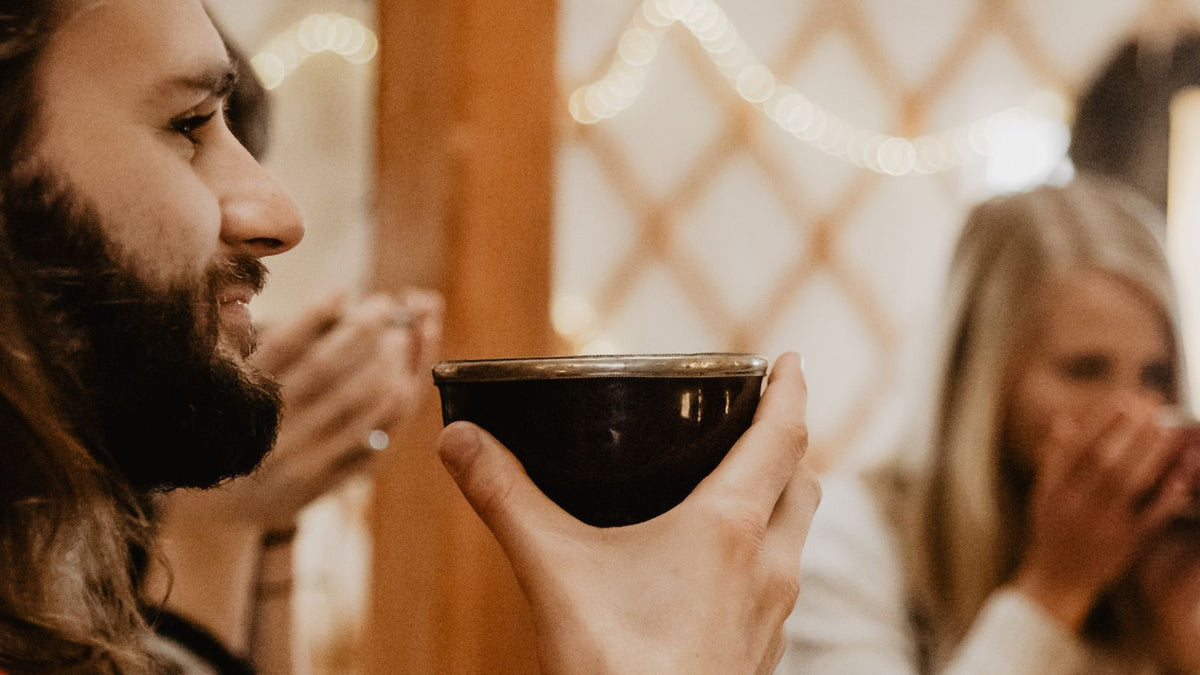
If you attend a ceremony, look less at big promises and more at the frame. Who is guiding it? How long does it last? Does anyone have to share? Are serving size, sensitivity and possible contraindications explained clearly?
Before attending, read how to prepare for a cacao ceremony.
Hosting your own ceremony
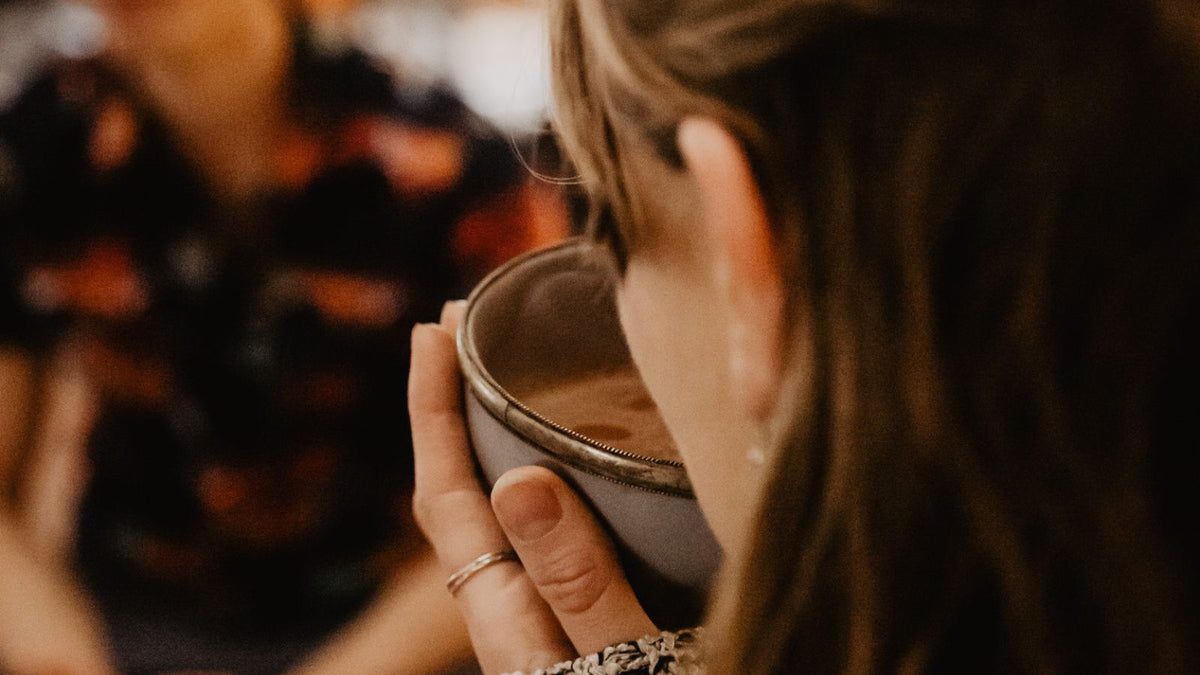
For home, keep the structure simple: prepare cacao, set an intention, drink slowly and leave time for silence, music or journaling. Fewer elements and more space usually work better than an overloaded format.
For ideas, read cacao ceremony rituals. If you are choosing between a group and a private format, read group vs. solo cacao ceremonies.
Choosing cacao
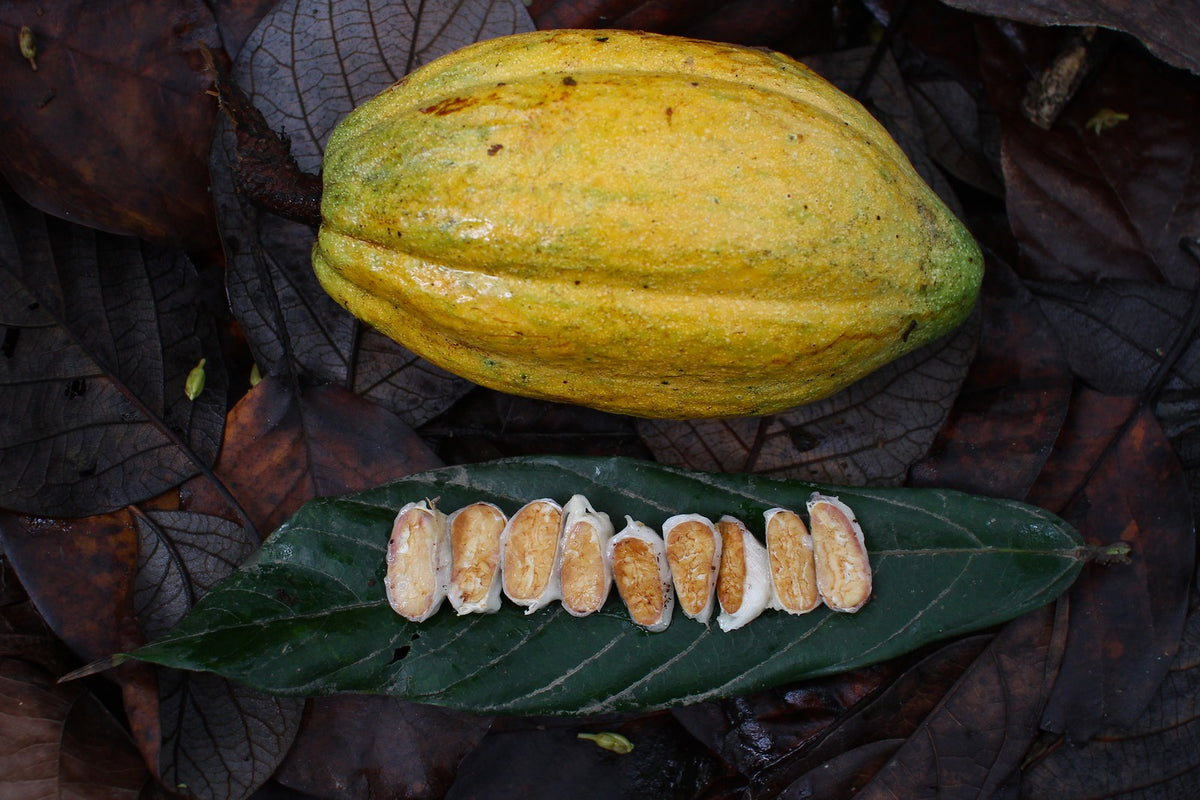
Many people use 100% cacao because it is pure, intense and easy to dose. Look for a clear ingredient list, good flavor and transparent origin.
If you want to buy cacao for rituals, read buy ceremonial cacao and the broader 100% cacao buying guide. You can compare current origins on Moruga cacao varieties. For tasting several options, start with the Starter Kit.
Dose and preparation
Especially in groups, plan the amount clearly. Not everyone wants or tolerates the same intensity. Start moderately and give people room to choose less.
Useful next reads: how to prepare creamy cacao, types of cacao used in ceremonies and cacao ceremony side effects.
Consent and boundaries
If you invite others, explain the format upfront: voluntary sharing, no therapeutic promises, enough water, breaks and a clear ending. A calm and respectful frame matters more than spiritual performance.
Conclusion
A good cacao ceremony is simple, clear and voluntary. Good cacao, a little time and honest expectations are enough to create a ritual that people can actually trust.