Cacao naturally contains active plant compounds. That is one reason a cup of 100% cacao can feel different from a sweet hot chocolate. Still, it is important to stay grounded: cacao is food, not a medicine, and individual responses vary.
Theobromine
Theobromine is the main stimulant associated with cacao. Many people experience it as gentler than coffee, but it can still feel activating. It may contribute to warmth, alertness and a slower kind of energy. For the coffee comparison, read cacao instead of coffee.
Caffeine
Cacao can contain small amounts of caffeine. The amount depends on the cacao and serving size. If you are sensitive to stimulants, drink a smaller serving and avoid late-night ceremonial doses. More context: is cacao caffeine-free?.
Phenylethylamine and mood
Phenylethylamine, often shortened to PEA, occurs naturally in cacao. It is sometimes discussed in relation to mood and attention, but it should not be turned into a big promise. The full experience of cacao also depends on flavor, ritual, setting, expectation and dose.
Flavanols and minerals
Cacao also contains plant compounds such as flavanols, plus minerals that vary by origin and processing. Moruga publishes more detail on flavanols in drinking cacao and central lab tests.
Why ceremonies can feel different
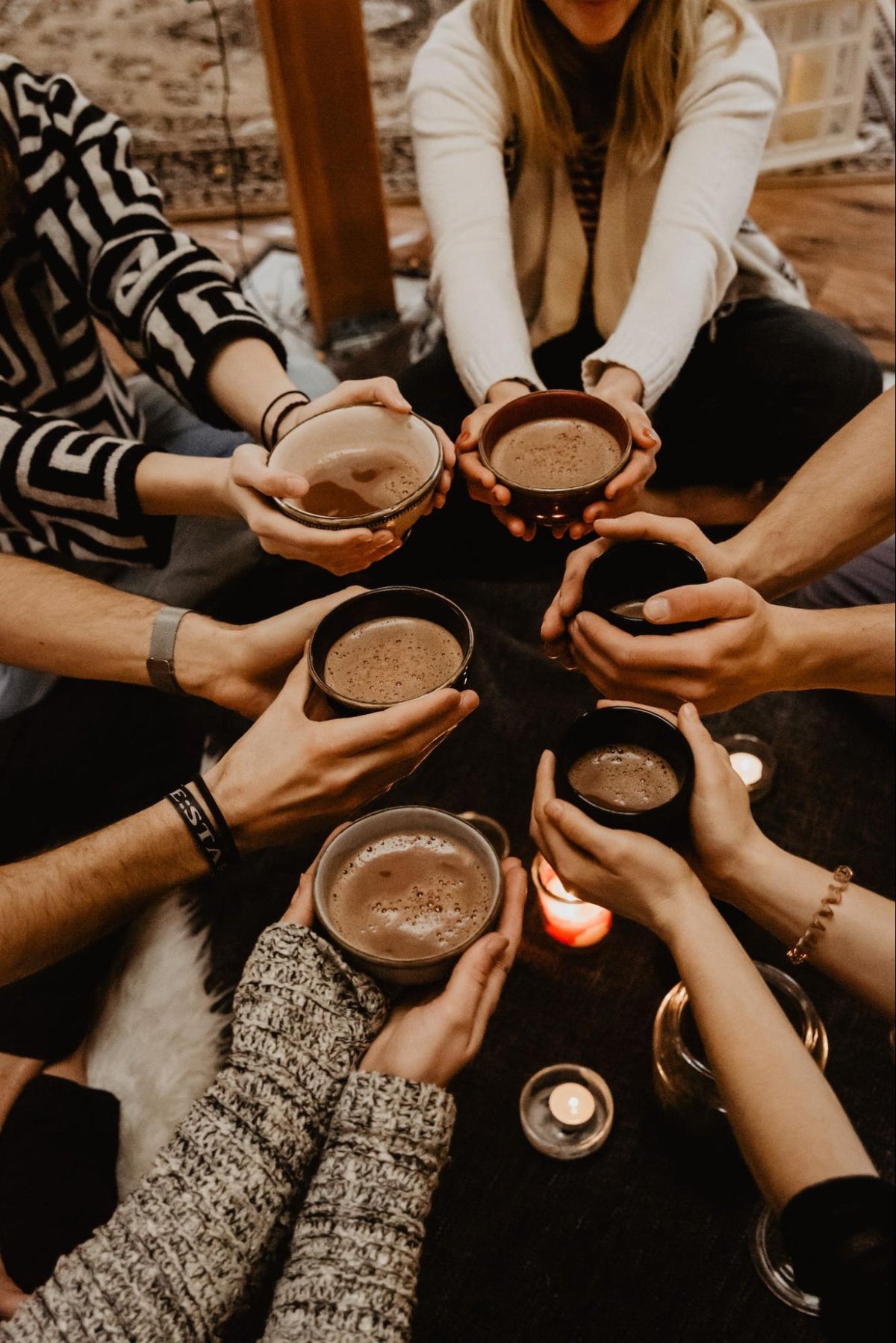
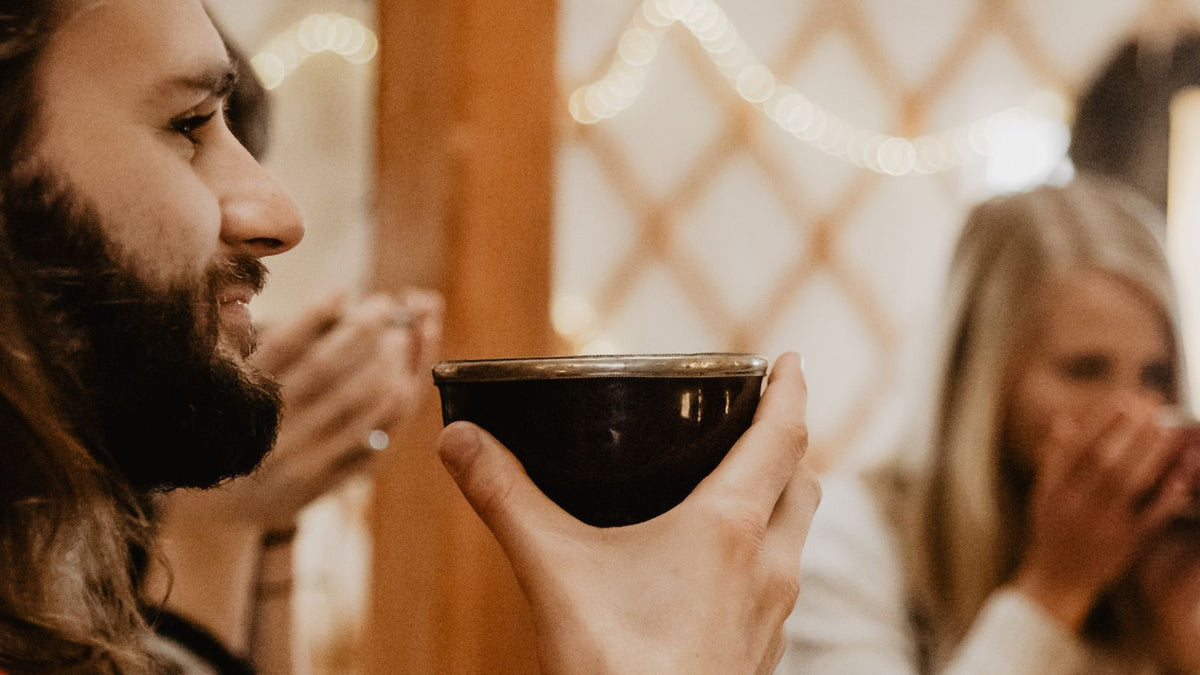
A ceremony combines cacao with attention: preparation, intention, music, breath, silence, journaling or conversation. The feeling is not created by one compound alone. It is the whole context.
Safety
Because cacao can feel stimulating, start with a moderate amount. If you are pregnant, breastfeeding, taking medication, have cardiovascular concerns or react strongly to stimulants, read cacao ceremony side effects and get professional advice where needed.
Next steps: compare Moruga cacao varieties, try the Starter Kit, or read what a cacao ceremony is.