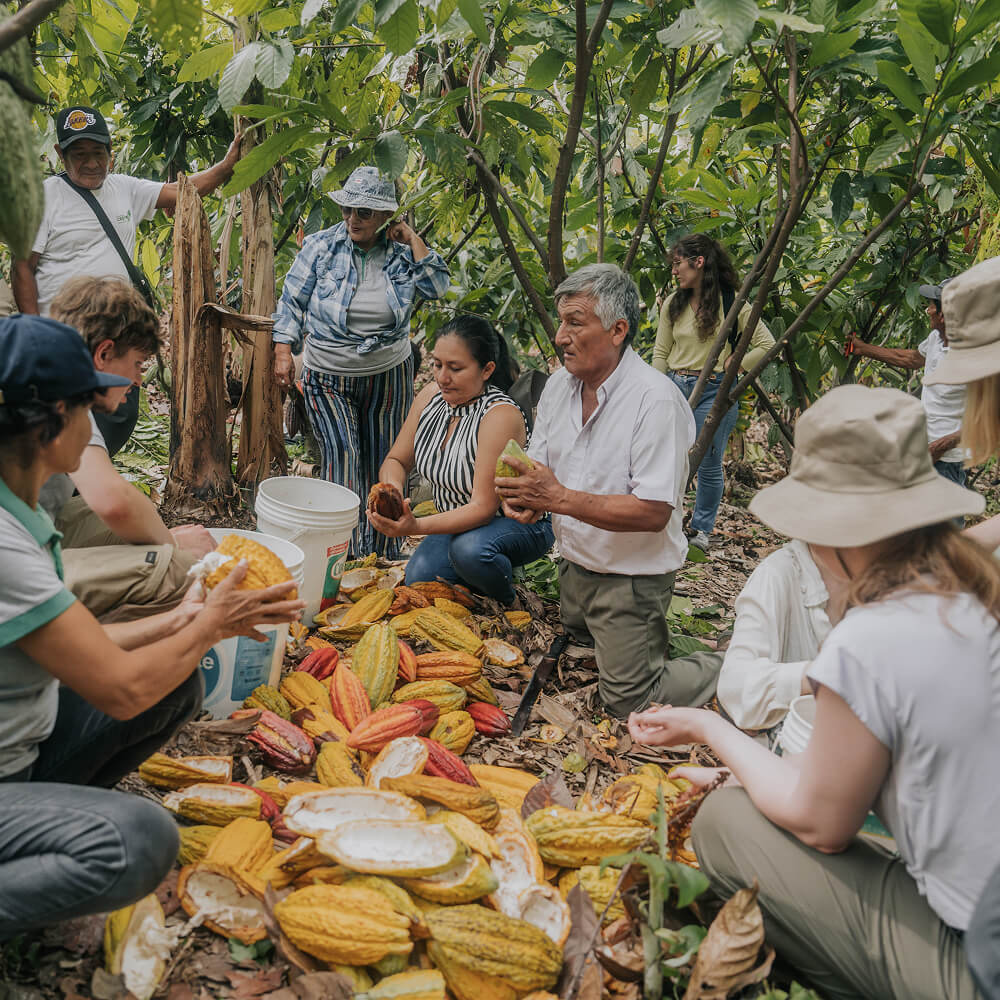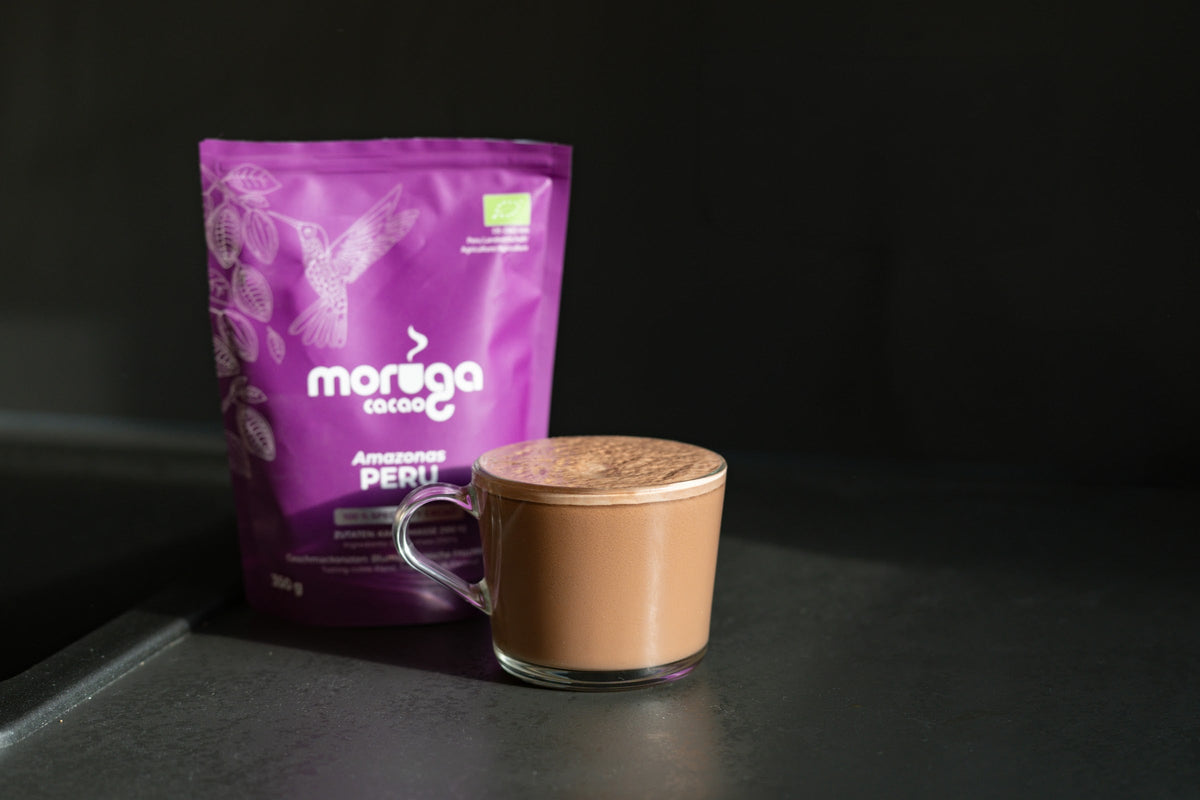




Many people know cacao only as dark powder or sweet drinking chocolate. In reality, cacao is much more diverse. Origin, genetics, soil, fermentation, drying, roasting and processing can all change the flavor dramatically. Just like coffee or wine, there is not simply one cacao.
When you buy 100% cacao, you are not just buying an ingredient. You are choosing a specific origin, a processing style and an aroma profile. This guide helps you understand cacao varieties and choose more deliberately.

Why cacao varieties taste so different
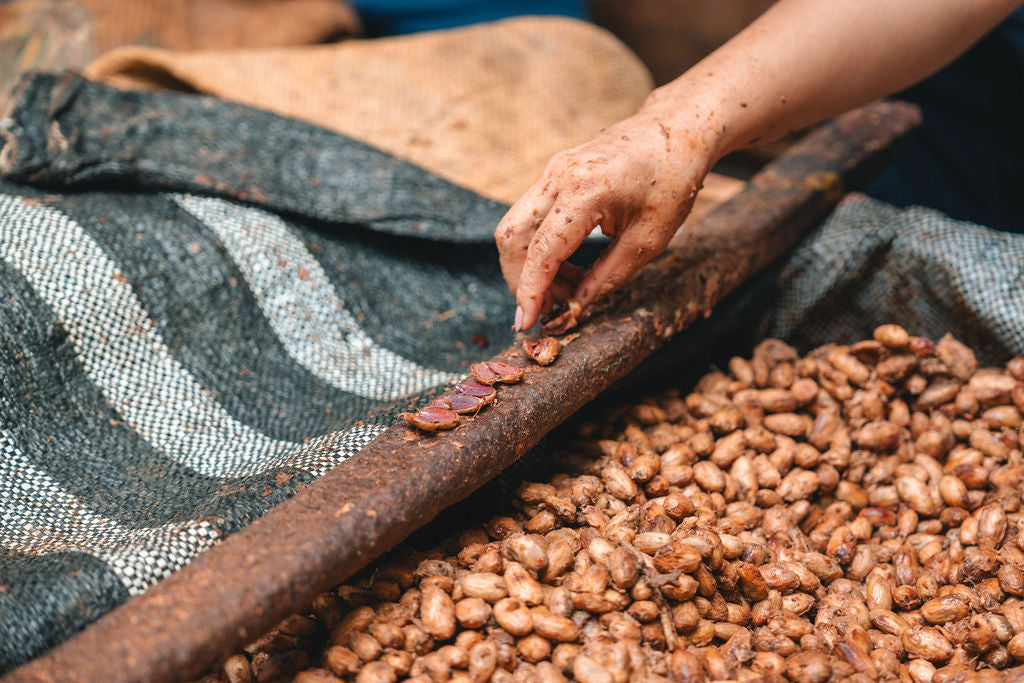
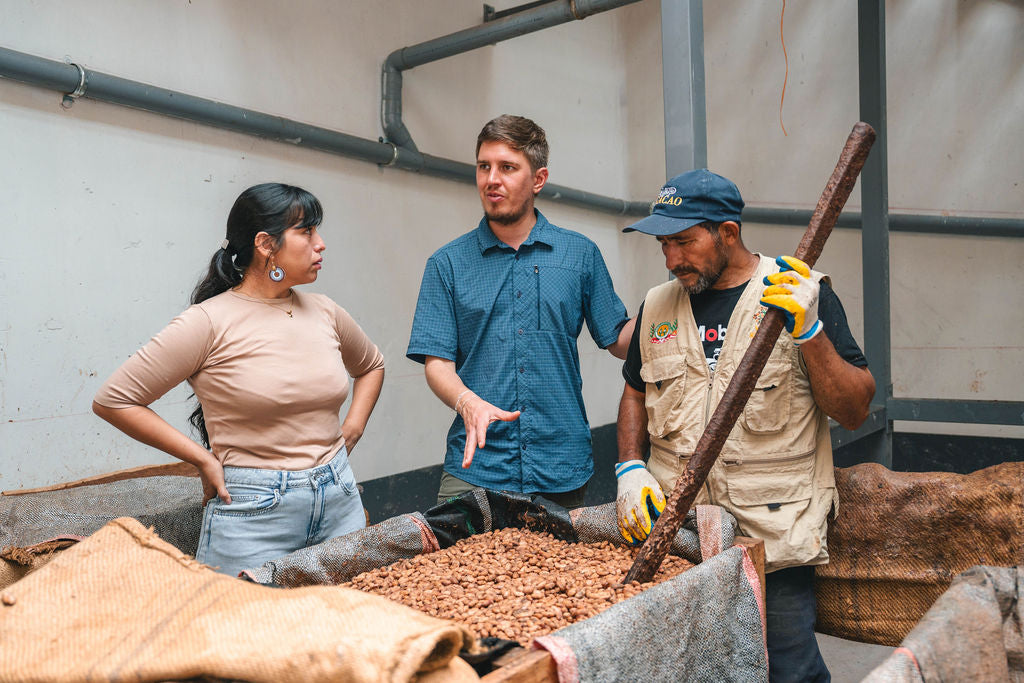
Cacao is a natural product. Even the fruit can look different, ripen differently and develop different aromas depending on the origin. After harvest, more steps shape the taste: fermentation, drying, roasting, grinding and whether the cacao remains whole cacao mass or is processed into strongly defatted powder.
That is why two 100% cacao products can feel completely different: one bright and fruity, another nutty, earthy or intense.
Cacao is closer to coffee and wine than instant powder
With coffee, it is normal to talk about origin, roast and flavor profile. Wine is the same. Cacao deserves the same attention. Good cacao is not an interchangeable brown product; it can have its own profile.
For the current Moruga range, start with Moruga cacao varieties. It is the most stable route because individual origins can change with harvests or sell out.
What single origin means in cacao
Single origin means that the cacao comes from a clearly named place: a country, region, cooperative or farm. The more specific the origin, the easier it is to understand where the cacao comes from and what story stands behind the raw material.
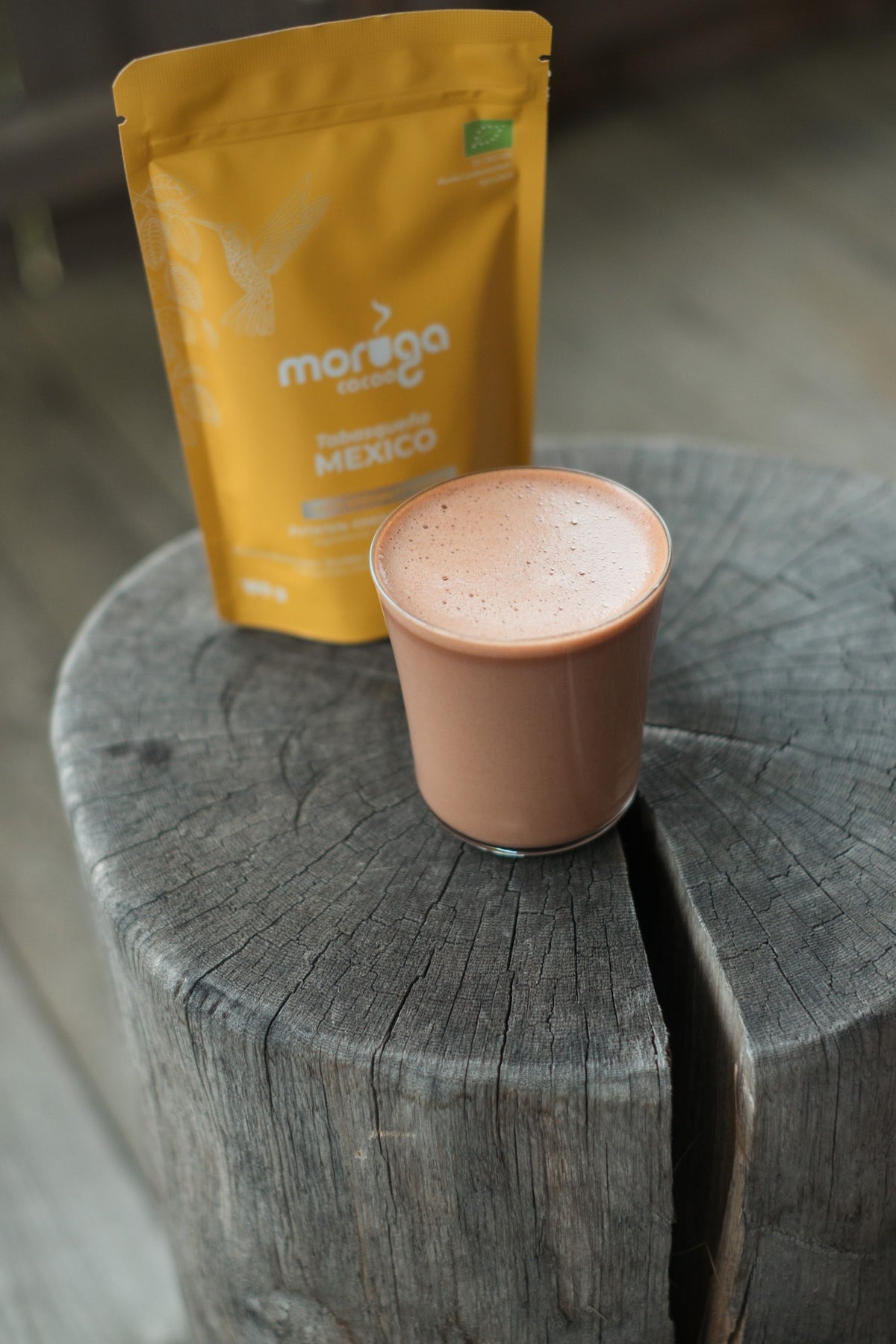
Examples in the current Moruga range include Chuncho from Peru, Tabasqueño from Mexico, Udzungwa from Tanzania and Arhuaco from Colombia.
Why cacao mass is different from cacao powder
Many searches around cacao mix cacao varieties, cacao powder and ceremonial cacao. The key difference is this: 100% cacao mass is not the same as heavily defatted powder. Cacao mass still contains the natural cacao butter, which makes the drink fuller, creamier and denser.
If you want to understand the difference, read cocoa powder vs ceremonial cacao or the buying guide buy cacao: how to choose 100% cacao.
What to look for when buying cacao varieties
- Ingredients: 100% cacao, no sugar, no flavoring, no fillers.
- Origin: clear information instead of anonymous bulk cacao.
- Processing: fermentation, drying, roasting and grinding shape taste and texture.
- Transparency: quality information, sourcing context and lab tests.
- Availability: real origins can sell out; bundles and starter kits are often the better entry point.
If you do not know which origin fits you yet, start with the Moruga Starter Kit. If you want to compare directly, begin with the cacao varieties overview.
Conclusion
Cacao varieties are the best proof that 100% cacao does not have to be boring. Good cacao is defined by ingredients, origin, processing, transparency and flavor, not by loud promises.
For the next step, compare current Moruga cacao varieties, read about pure cacao without sugar, or start with the Starter Kit.