

Kakao-Ursprünge · Peru
So wächst Amazonas.
Im Norden Perus bewahrt ein junges Projekt ursprüngliche Kakaovarietäten. Entdecke den Anbau und die Menschen hinter unserem Amazonas-Kakao.
Amazonas entdecken
Auf dieser Seite
How Amazonas cacao grows
Film zum Ursprung ansehen ↗Amazonas cacao: a new chapter at the origin of cacao
Das Amazonas-Projekt ist die jüngste Initiative von unserem Partner Original Beans. Die Region Amazonas im Norden Perus ist eines der traditionellen Kakaoanbaugebiete des Landes, war jedoch in den vergangenen Jahrzehnten stark von Hybrid-Kakao und Monokulturen geprägt.
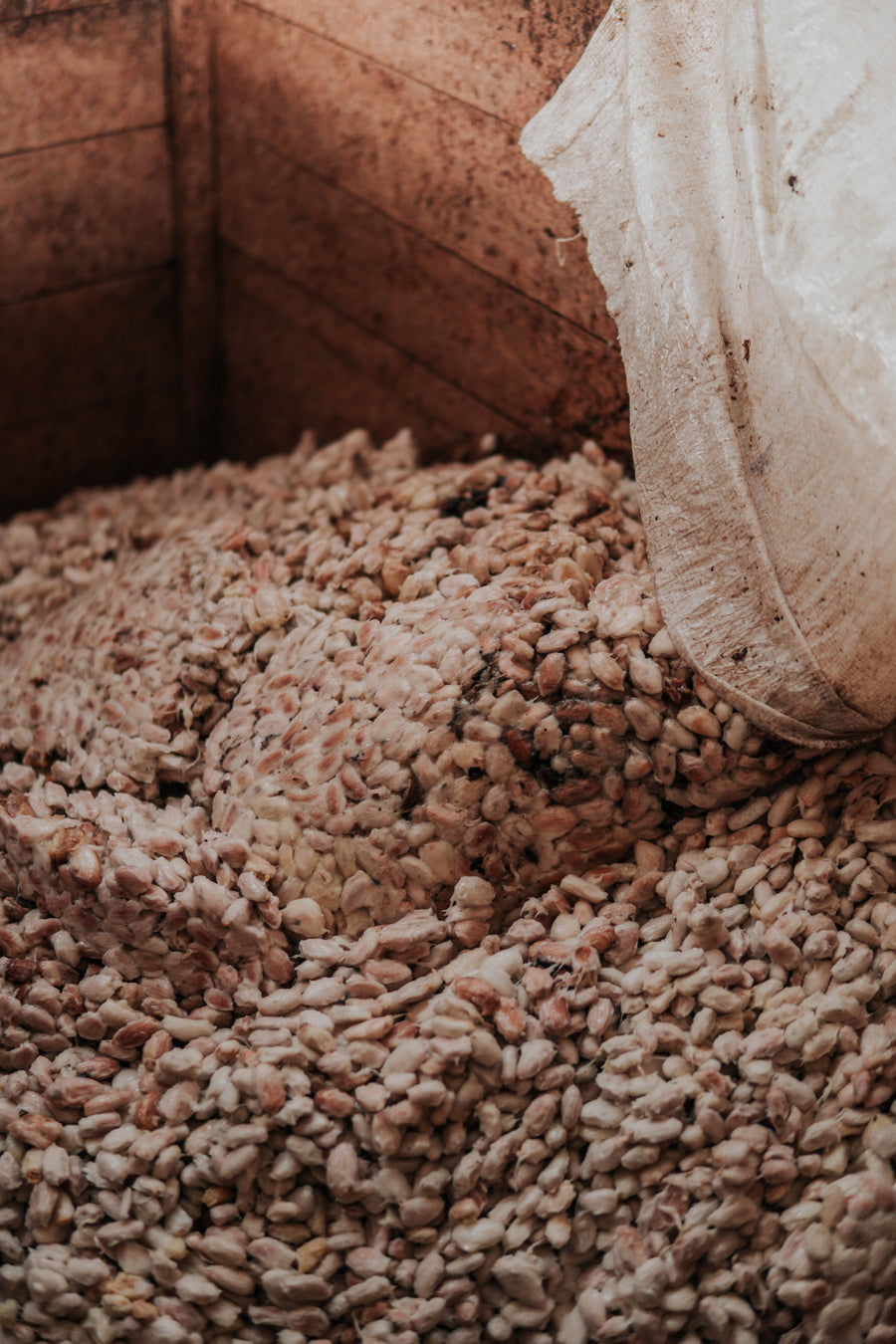
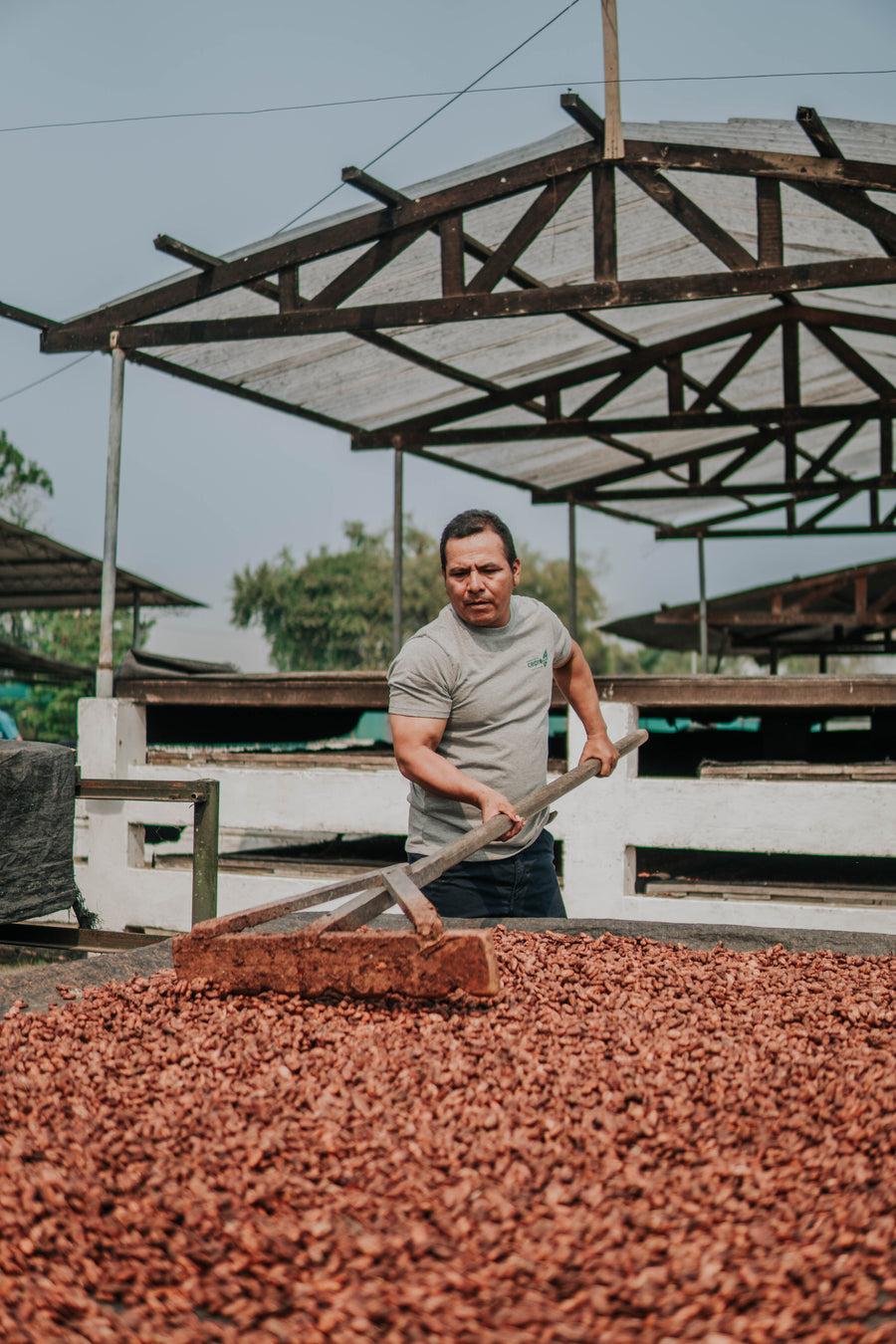
Vor rund drei Jahren begann Original Beans gemeinsam mit dem peruanischen Kakaoverband und mit Unterstützung der Schweizer Entwicklungshilfe ein Pilotprojekt zur Einführung der ersten geschützten Herkunftsbezeichnung („Denomination of Origin“) für Kakao in Peru. Das Ziel war es, den verbleibenden nativen Kakao in der Region zu identifizieren, zu separieren und unter klar definierten Standards in Anbau, Fermentation und Agroforestry zu fördern. Parallel dazu plante Original Beans die Produktion von Schokolade in Peru, ohne mit bestehenden Herkunftsregionen wie Piura oder Cusco zu konkurrieren. Die Kombination dieser Ansätze legte den Grundstein für das Amazonas-Projekt.
Genetische Herkunft
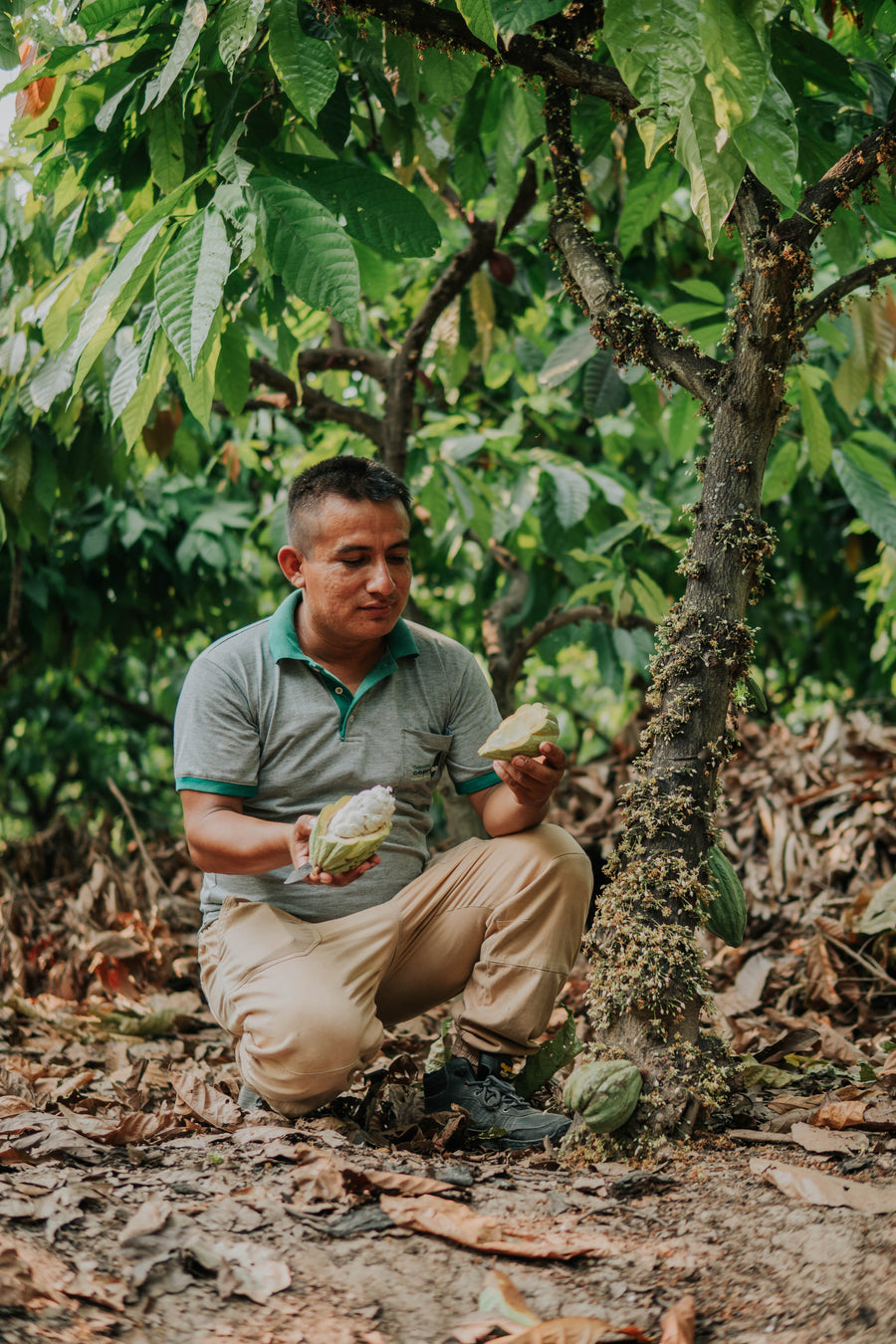
Für das Projekt wurden ausschließlich Farmen ohne moderne Hybridpflanzen einbezogen. Die genetische Analyse zeigt eine Dominanz der Gruppe Cajamarca–Amazonas, einer alten und ursprünglichen Kakaovarietät, die als genetischer Ursprung sowohl des Piura Blanco als auch des Nacional-Kakaos aus Ecuador gilt.
Die Region ist somit wissenschaftlich und genetisch hoch relevant, da sie den Ursprung einer der ältesten bekannten Kakaoformen Südamerikas repräsentiert.
Anders als in Cusco oder Piura, wo genetisch reine Varietäten dominieren, besteht in Amazonas eine natürliche Hybridisierung, die jedoch die ursprüngliche Genetik weitgehend bewahrt.
Landwirtschaftliches Konzept und Agroforestry
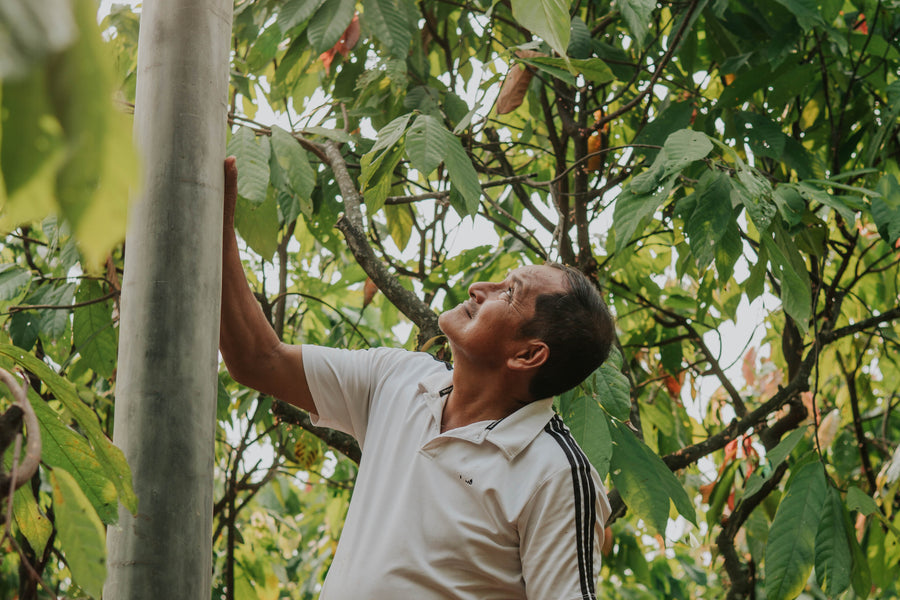
Lokale Anbaupartner verfolgen in der Region ein modernes Agroforestry-System, das sich von traditionellen Food-Forest-Ansätzen unterscheidet. Es basiert auf geplantem Reihenanbau mit gezielt ausgewählten Schatten- und Holzbäumen, um ökologische Vielfalt und wirtschaftliche Produktivität zu kombinieren.
Dieses System ermöglicht eine nachhaltige Bewirtschaftung ehemals degradierter Flächen, die zuvor von Hybrid-Kakao oder Monokulturen (wie beispielsweise Reis, Ananas) geprägt waren.
Historische Bedeutung
Unweit des Ankaufszentrums liegen die archäologischen Stätten von Monte Grande, die zur Moche-Chinchipe-Kultur gehören. Dort wurden die ältesten bekannten Spuren von Kakaokonsum weltweit entdeckt – etwa 5.500 Jahre alt – älter als die Funde aus Mittelamerika. Die genetischen Überreste dieser Funde gehören ebenfalls zur Gruppe Cajamarca–Amazonas. Damit bewahrt das Projekt nicht nur eine landwirtschaftliche Tradition, sondern auch ein kulturelles und genetisches Erbe von globaler Bedeutung.
Qualität und sensorisches Profil
Der Amazonas-Kakao zeichnet sich durch eine balancierte Aromatik aus:
intensive Fruchtnoten, ähnlich Piura Blanco,
kombiniert mit einem vollmundig schokoladigen Profil, das in Südamerika selten ist.
Diese Kombination macht ihn zu einer der sensorisch interessantesten neuen Herkünfte im Portfolio von Original Beans.
Kooperationen und landwirtschaftliche Umsetzung
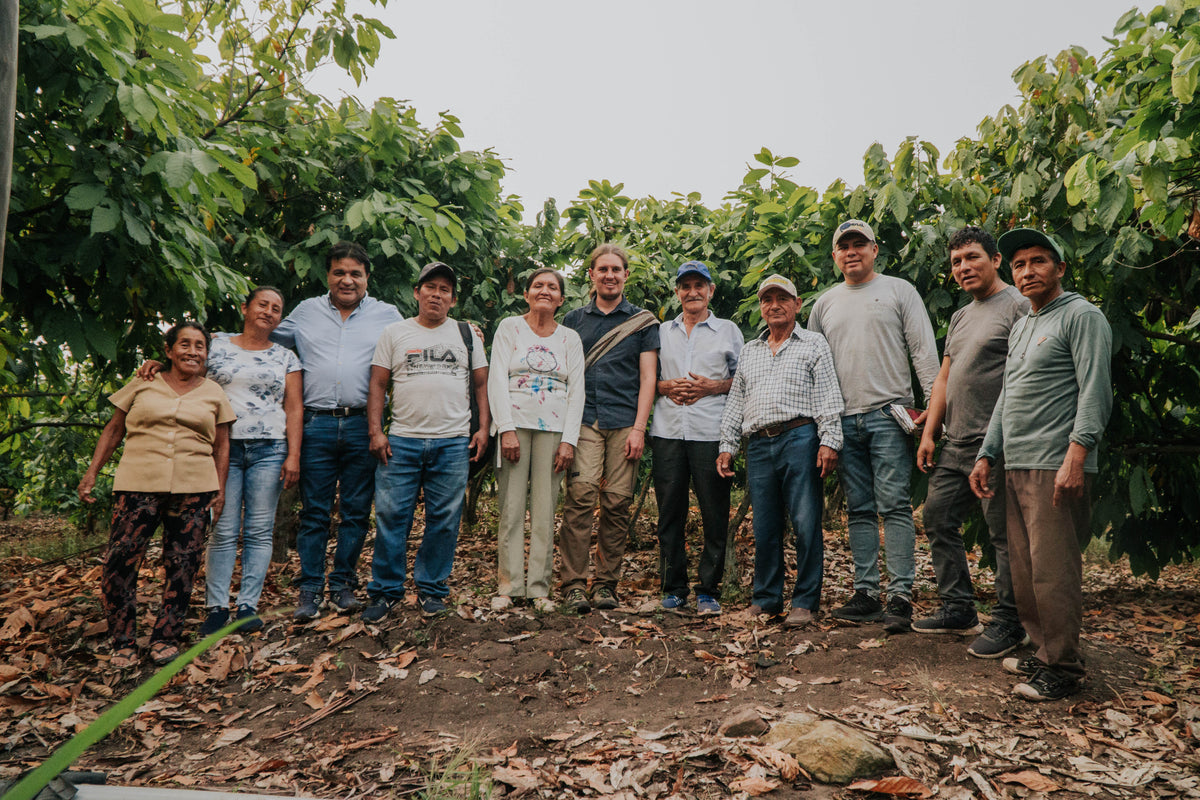
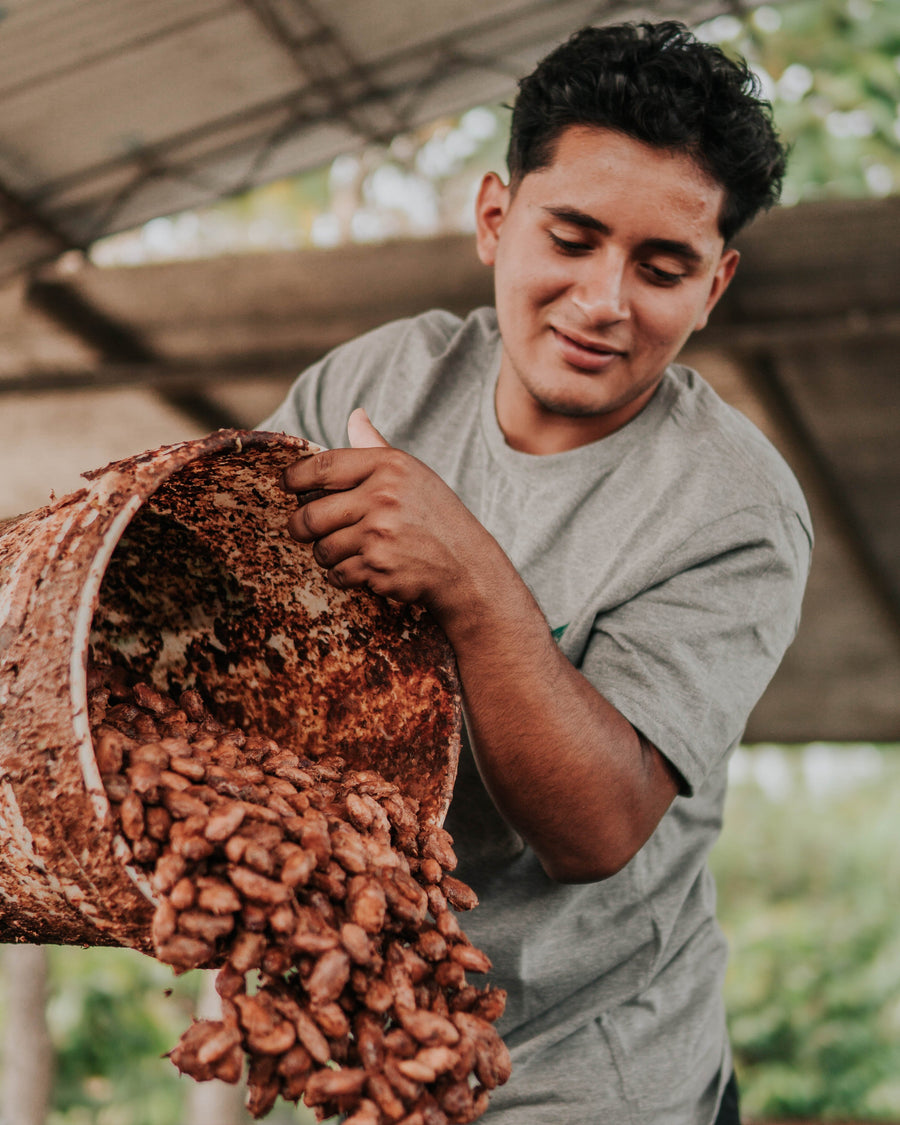
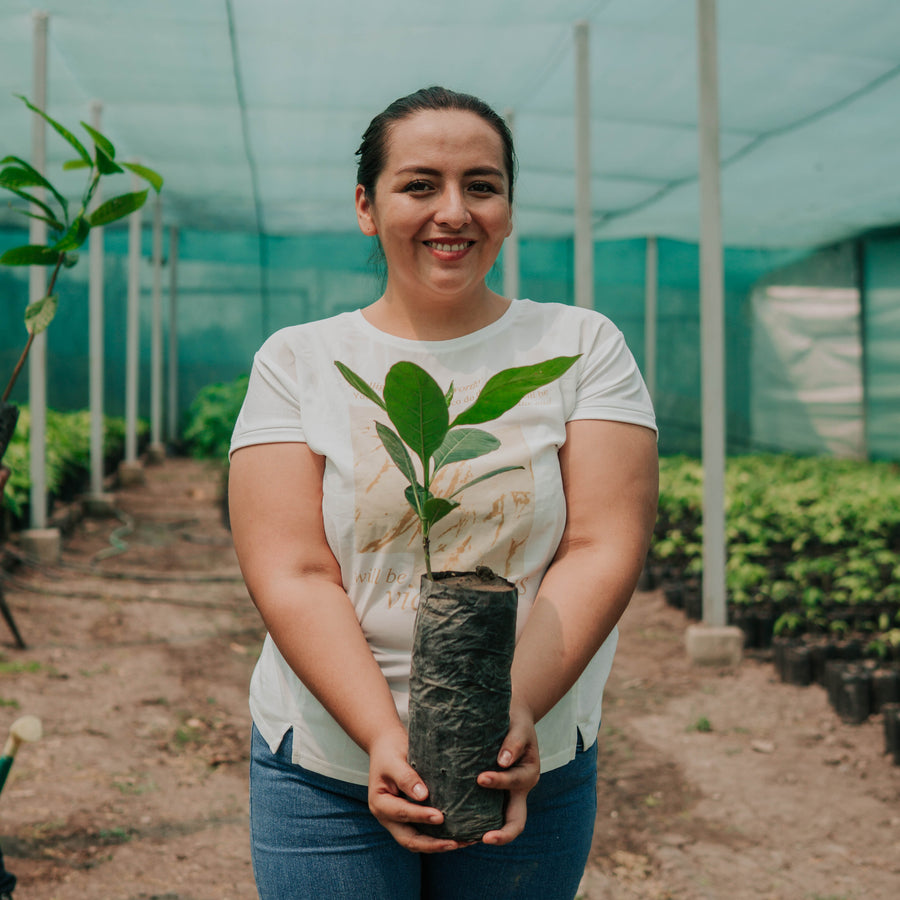
Original Beans arbeitet eng mit der Kooperative SEPROA zusammen, einer Partnerorganisation von Norandino – dem Verband, der auch bei unserer Chuncho-Sorte eine wichtige Rolle spielt. SEPROA ist Bio-, Fairtrade- und SPP-zertifiziert und verfügt über umfassende Erfahrung in der Herstellung und Anwendung von Biodüngern und biologischen Pflanzenschutzmitteln, in der Schulung von Kleinbauern in nachhaltigen Anbaumethoden sowie in der effizienten Bewirtschaftung moderner Agroforestry-Systeme.
Die Betriebe erzielen Erträge von über 1 Tonne Kakao pro Hektar, teilweise bis zu 1,5 Tonnen oder mehr.
Bei durchschnittlich drei Hektar pro Betrieb kann der Kakaoanbau ein Jahreseinkommen von bis zu 48.000 USD generieren – ein außergewöhnlich hoher Wert für peruanische Kleinproduzenten.
Geografische und soziale Einordnung
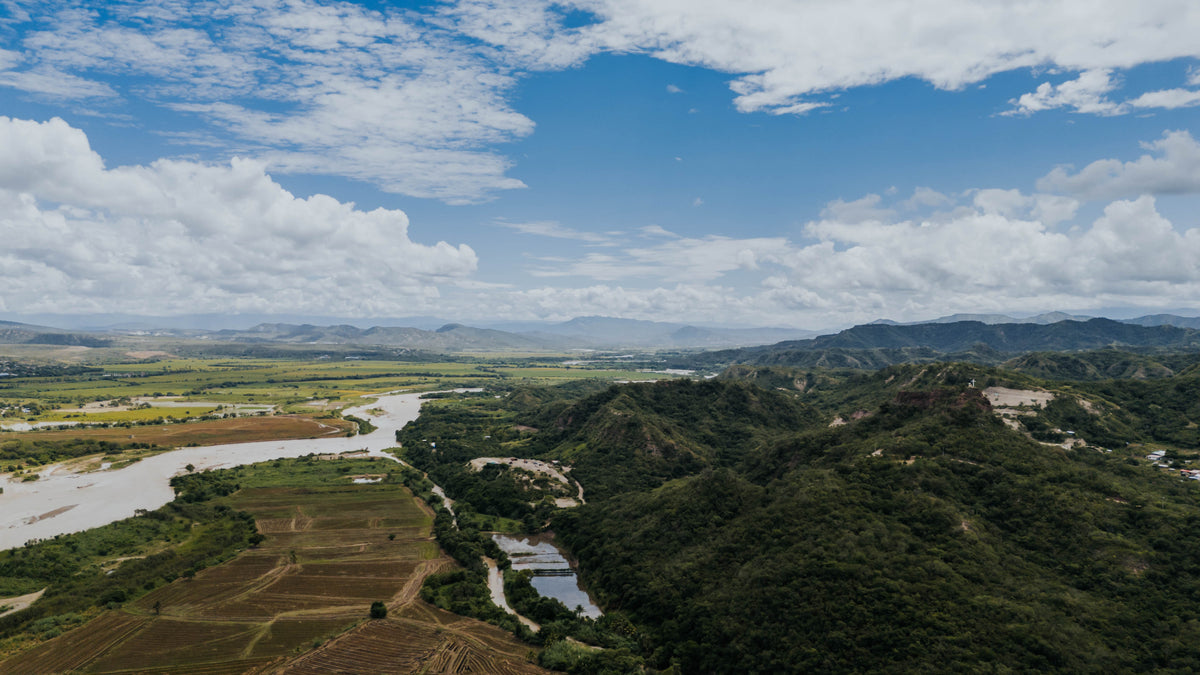
Die Region Amazonas gehört geografisch bereits zum Amazonasbecken, liegt jedoch hinter den Anden in einem breiten Flusstal (Marañón). Es handelt sich um eine landwirtschaftlich genutzte Region, keine Regenwaldzone. Die am Projekt beteiligten Bauern sind Kleinbauern, jedoch nicht Teil indigener Bevölkerungsgruppen. Flächen, die auf Drohnenaufnahmen wie Wald aussehen, sind meist Agroforestry-Parzellen mit Kakao und Schattenbäumen.
Das Amazonas-Projekt steht exemplarisch für eine moderne, regenerative Kakaowirtschaft, die degenerierte Hybridregionen wieder ökologisch aufwertet, alte Kakaogenetik erhält, nachhaltige Einkommen für Kleinbauern schafft und gleichzeitig hohe sensorische Qualität gewährleistet. Es verbindet ökologische, genetische und wirtschaftliche Ziele in einem Modell, das sowohl wissenschaftlich als auch sozial als Vorbild für zukünftige Kakaoentwicklungsprojekte gilt.


