

Kakao-Ursprünge · Mexiko
So wächst Tabasqueño.
Tief im Süden Mexikos bewahren Familien eine jahrtausendealte Kakaotradition. Entdecke die Geschichte hinter unserem Tabasqueño.
Tabasqueño entdecken
Auf dieser Seite
"Tabasqueño" Kakao: Eine uralte Sorte wird wiederentdeckt
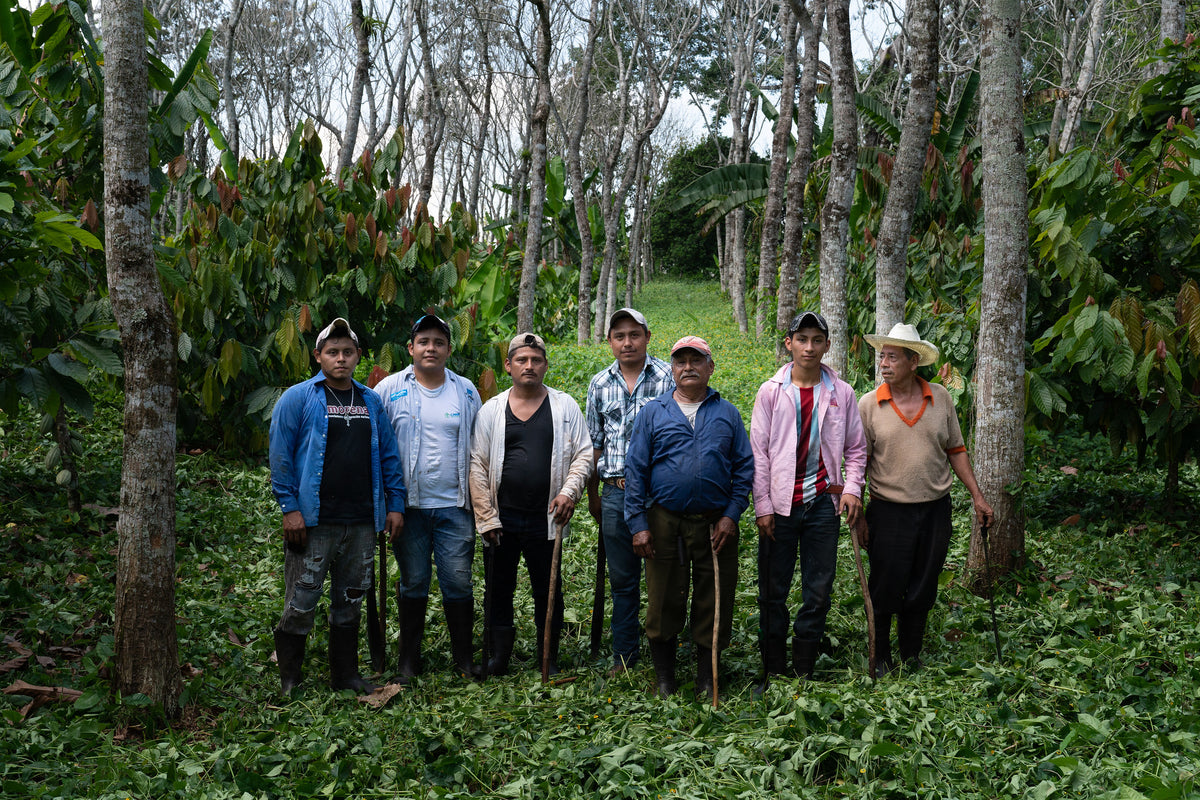
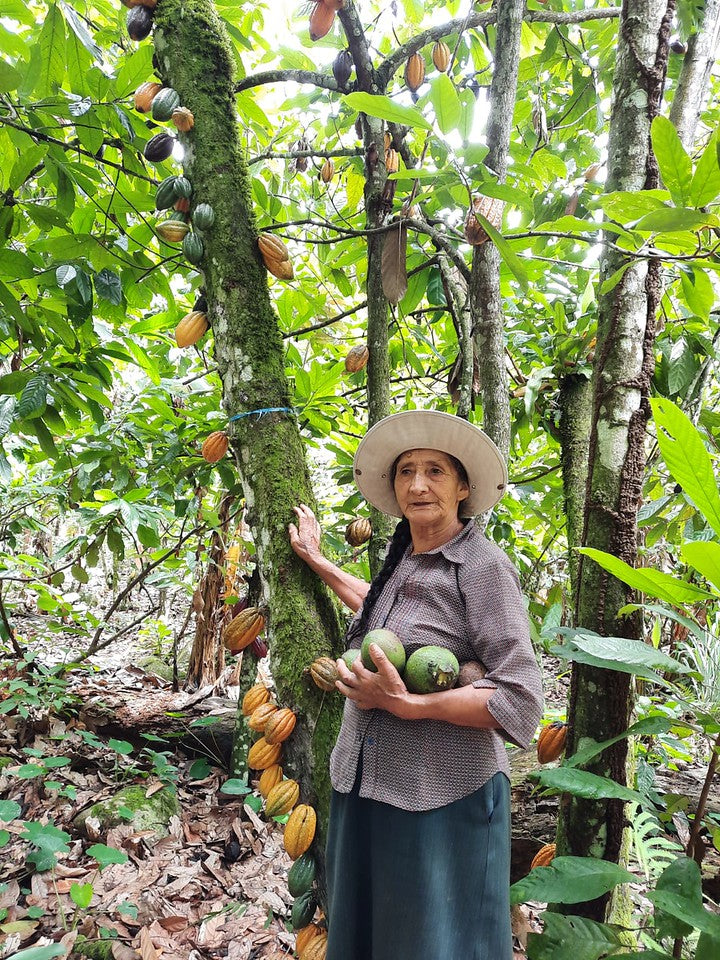
Die Reise zu diesem außergewöhnlichen Kakao begann 2014 mit einer Freundschaft und der Erkundung der Regenwälder in Tabasco und Chiapas. Gemeinsam mit den Zoque- und Tzotzil-Familien entdeckte unser Kakao-Lieferant Original Beans das Potenzial des lokalen, uralten Kakaos. Daraus entwickelte sich die Vision eines einzigartigen Naturschutz-Kakao-Projekts, das den indigenen Kakaobauern hilft, exquisiten Kakao im Einklang mit dem Regenwald anzubauen.
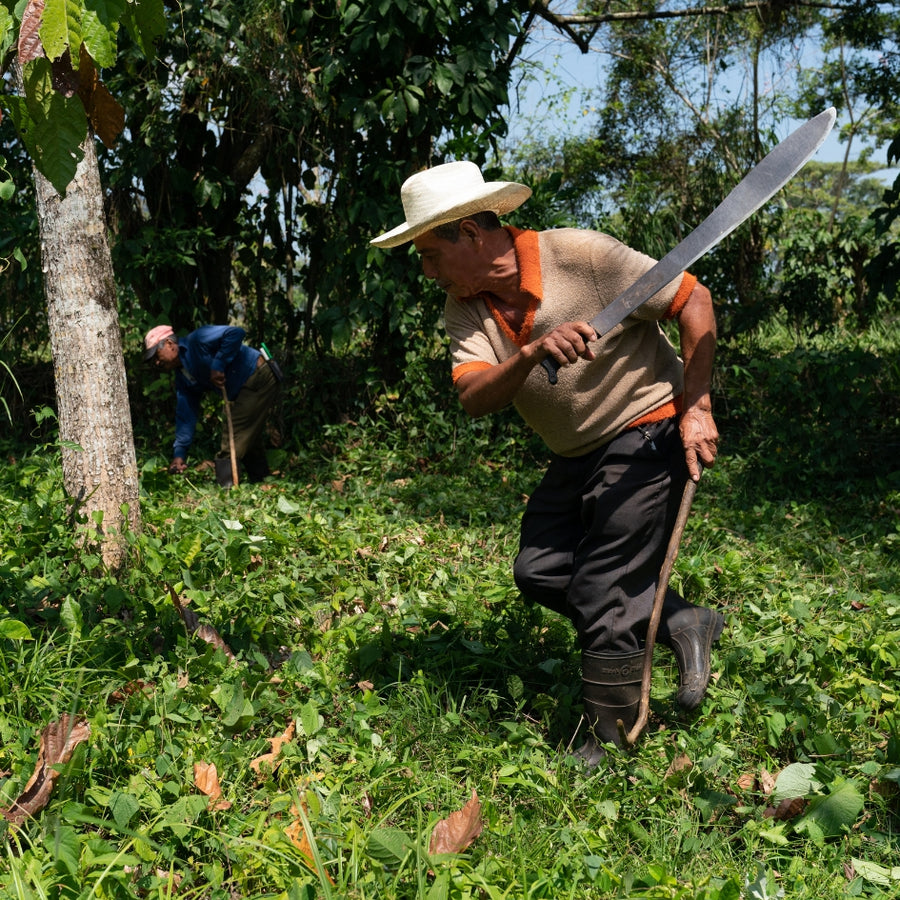
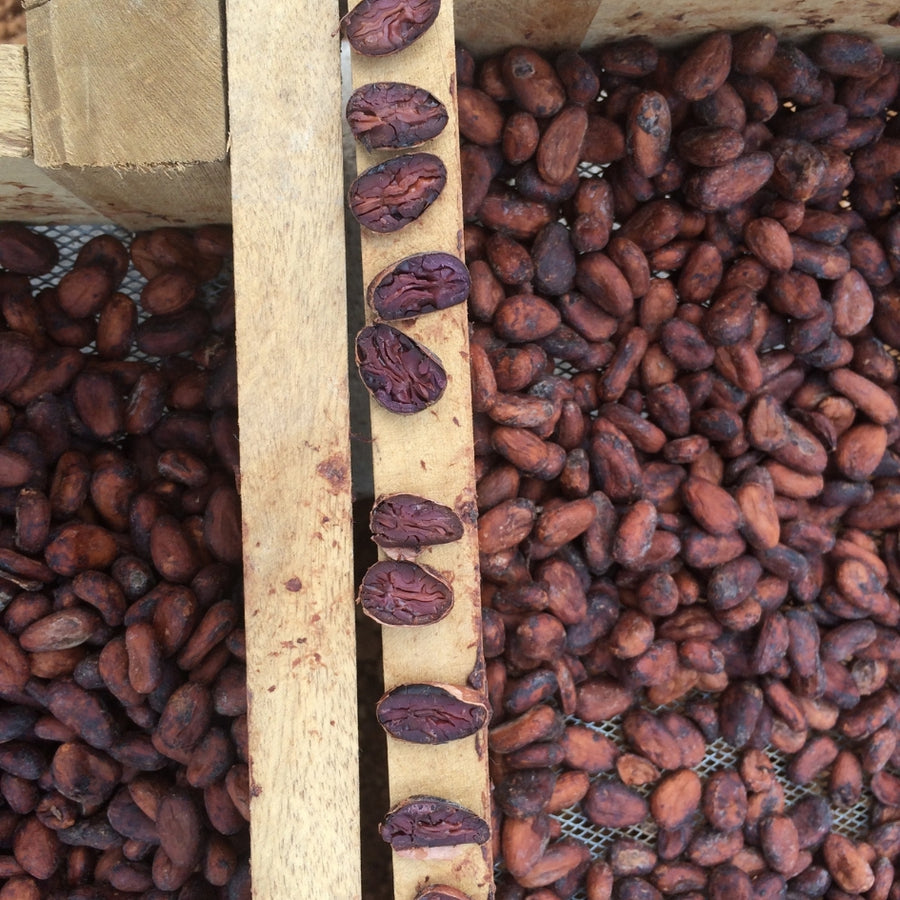
Heute findet in der Fermentierungsanlage die sorgfältige Verarbeitung der frisch geernteten Kakaobohnen statt. Die Bauern wandern bis zu 4 Stunden bergauf, um die Früchte zu ernten. Nach 5-6 Tagen Fermentierung in Holzkisten und anschließender langsamer Trocknung entfaltet sich das volle Geschmackspotenzial: tief und reichhaltig, mit Noten von Litschi und Kokosnuss.

Lies das ganze Interview
über diesen speziellen Kakao mit Jan Schubert, Head of Sourcing bei Original Beans
Zum Interview →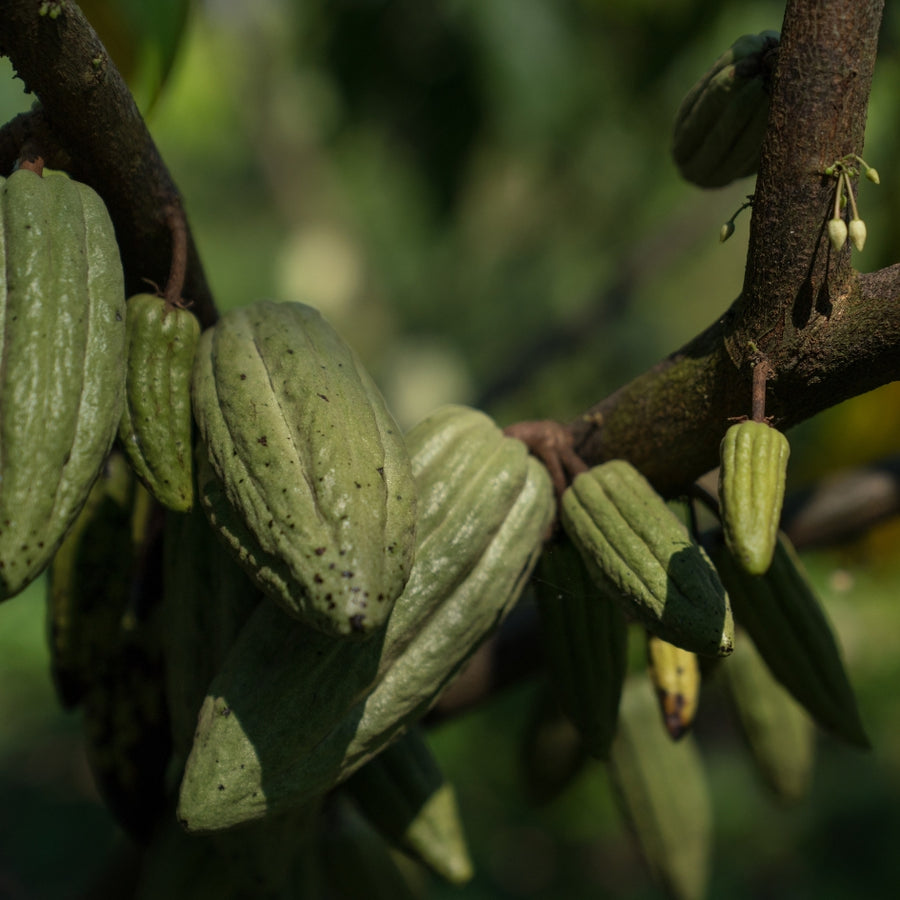

Tabasqueño - Kulturgut seit über 4.000 Jahren
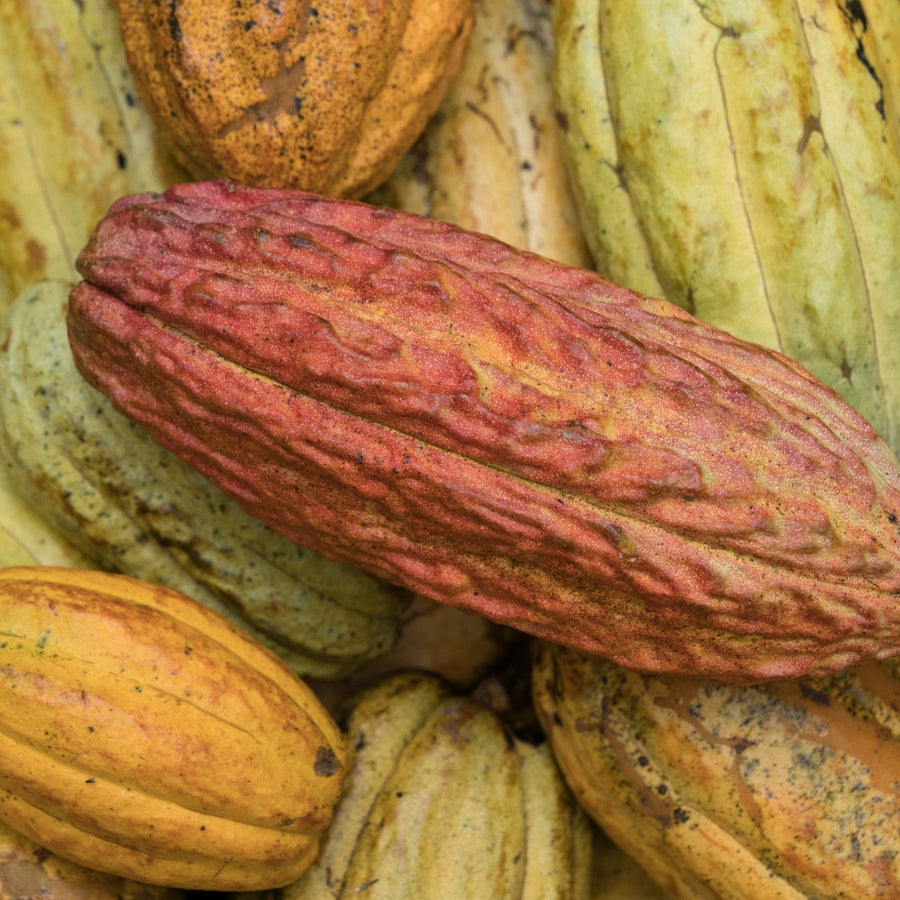
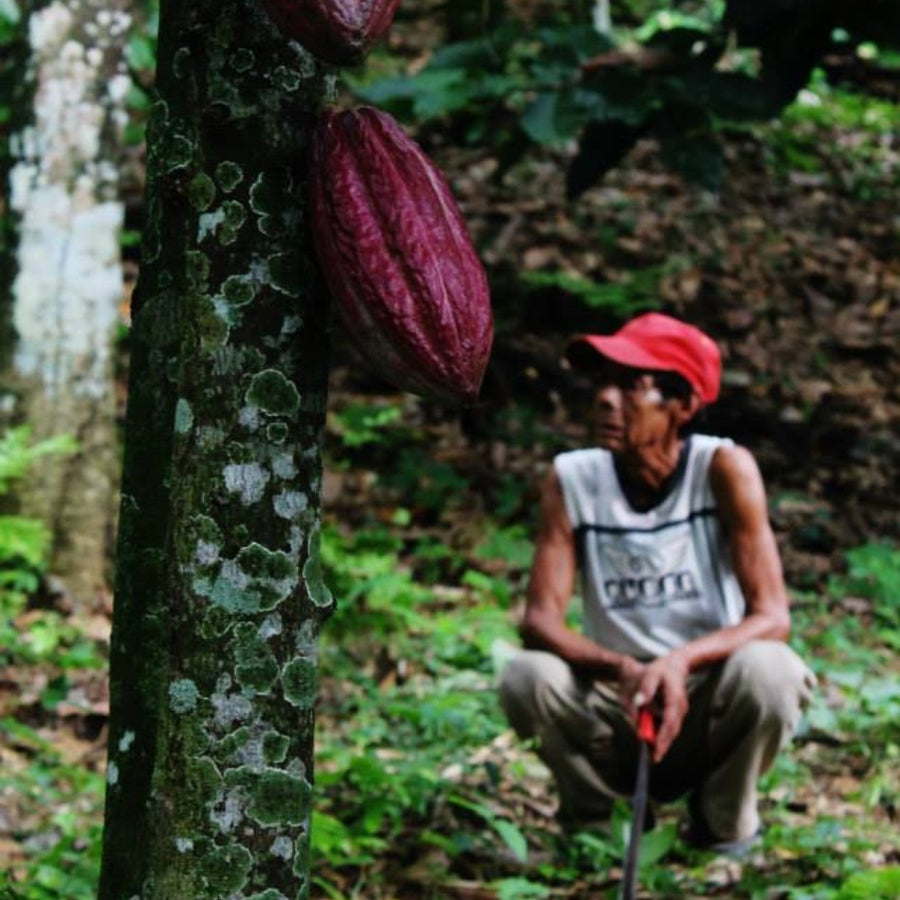
Der „Tabasqueño“ ist eine sehr seltene Kakaosorte, die vom Volk der Zoque im Regenwald von Selva Zoque im Süden Mexikos angebaut wird. In ihrer Sprache „kakaw“ genannt, wird dieser uralte Kakao in diesen Bergen seit über 4.000 Jahren kultiviert und geschätzt.
Wenn du unsere Tabasqueño 100% Kakao Drops genießt, kostest du nicht nur ein Stück Geschichte, sondern hilfst auch den Zoque, ihre Kultur zu bewahren und ihre angestammten Wälder wiederherzustellen. Im Zuge der Bemühungen um eine nachhaltigere Landwirtschaft wurde ehemaliges Weideland in artenreiche Mischwälder zurückverwandelt, in denen die Kakaobäume neben vielen anderen Pflanzenarten gedeihen und damit ein komplexes Ökosystem für Vögel und andere Kleintiere bilden.
More than just organic.
Bio-Zertifizierungen sind sehr hilfreich, aber sie zeichnen ein sehr vereinfachtes Bild. Gesunde Ökosysteme sind viel mehr als nur das "Bio"-Siegel des einen Produktes. Ein Biosiegel sagt am Ende wenig über die Gesundheit der Böden, die Biodiversität und die Lebensqualität der Bäuerinnen und Bauern aus. Deswegen lohnt es sich, genauer hinzuschauen. Nur der Mischwaldanbau ist eine wirklich nachhaltige Agrarwirtschaft für alle Lebewesen.
Agroforests protect biodiversity in the rainforest
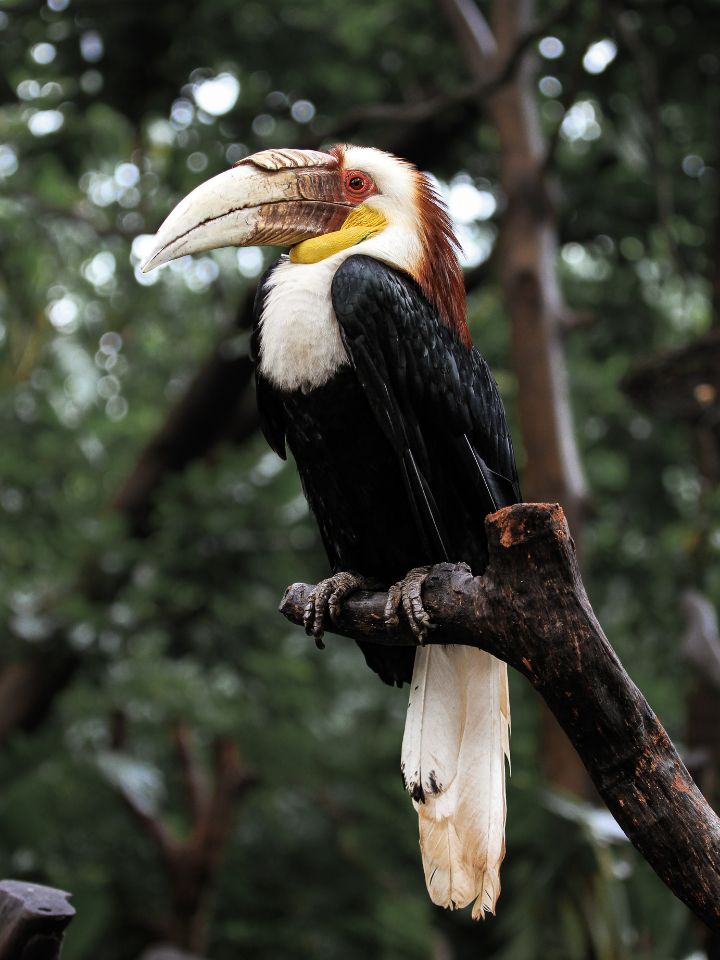
Die Maya Mountain Research Farm, ein Pilot-Projekt für die Erforschung von Permakultur in Belize, hat über 150 verschiedene Vogelarten in ihrem Mischwald gezählt. In herkömmlichen Monokulturen finden nicht ansatzweise so viele Tierarten Schutz. Mischwald-Systeme, auch Permakultur genannt, können überall auf der Welt genutzt werden. Die Permakultur-Bewegung findet bei Bauern rund um den Globus Anklang. Und das ist kaum verwunderlich. Die Permakultur erspart den Bäuerinnen und Bauern massiv Arbeit und lässt sie Jahrzehnte in die Zukunft planen.
Agroforests secure farmers' income
Stell dir vor, du bist eine Kakaobäuerin und hast eine Monokultur für Kakaobohnen. Sie sind somit alles, was du verkaufen kannst. Immerhin einige Tonnen Kakaobohnen pro Jahr. Jetzt stell dir aber vor, der Weltmarktpreis für Kakao, der an der Börse gehandelt wird, stürzt ab. Auf einmal hast du dieses Jahr unterm Strich vielleicht Geld verloren statt welches zu verdienen. Du musst dir einen Kredit aufnehmen, um weiter wirtschaften zu können.
Oder schlimmer noch: Stell dir vor, deine Kakaobäume werden krank. Auf einmal kannst du nur noch 50% deiner Ernte einfahren, hast aber sogar mehr Kosten wegen Pestiziden (bei Kakao, der nicht Bio ist). Du stehst vor dem Bankrott.
Wenn du hingegen eine Mischwald-Farm bewirtschaftest, kannst du noch deine Vanille verkaufen, oder deine Bananen, oder deinen Kaffee, oder deine Muskatnüsse...Du verstehst schon: Den Möglichkeiten sind (fast) keine Grenzen gesetzt. Für welches System würdest du dich also entscheiden - Monokultur oder Mischwald?
Logisch, denn nur Mischwälder schaffen ein nachhaltiges Wirtschaftsklima für die Produzenten von tropischen Exportgütern.
How agroforests keep soils healthy
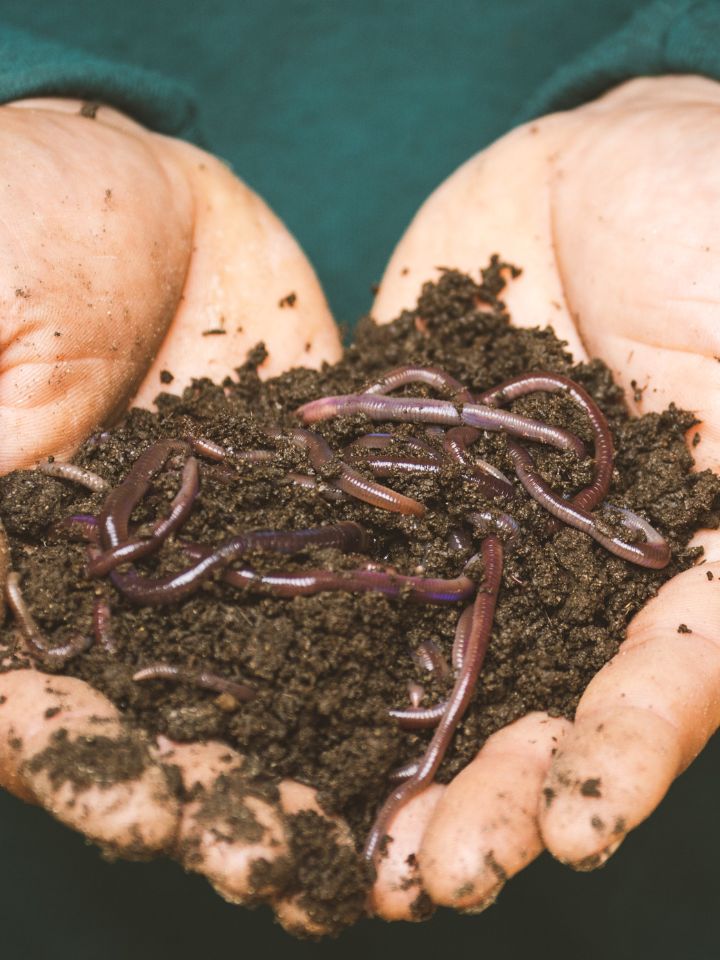
Böden sind sensible Ökosysteme, die über zehntausende von Jahren entstanden sind. Sie sind voller Nährstoffe. Wenn auf einem Bodensystem nur eine einzige Pflanzenart angebaut wird, dann werden nur bestimmte Nährstoffe dem Boden entzogen. Wenn das geschieht, müssen die fehlenden Nährstoffe künstlich als Dünger zugeführt werden.
In der Natur gibt es aber natürlich keine künstlich hergestellten Dünger-Nitrate. Die Natur hat ein ausgeklügeltes Ökosystem entwickelt, in dem eine Pflanzenart der anderen Pflanzenart genau die Nährstoffe zur Verfügung stellt, die sie zum Überleben braucht. Genau diese Symbiosen versucht man, im Mischwald-Anbau zu nutzen.
Agroforests can create higher income and more stable food security for farmers
Das Forschungsinstitut für biologischen Landbau (FiBL) hat in einer Langzeitstudie über 20 Jahre lang Mischwald-Systeme mit herkömmlichen Monokulturen verglichen. Was sie herausfanden? Die biologisch bewirtschafteten Mischwälder erzielen im Vergleich zwar den geringsten Ertrag an Kakao pro Hektar - insgesamt können die Bauern damit allerdings ein höheres Einkommen und eine stabilere Einkommenssicherung erreichen. Sie sind weniger abhängig von internationalen Preisschwankungen oder Ernteausfällen, da sie viele verschiedene Produkte anbauen. Die Studie findest du hier.


