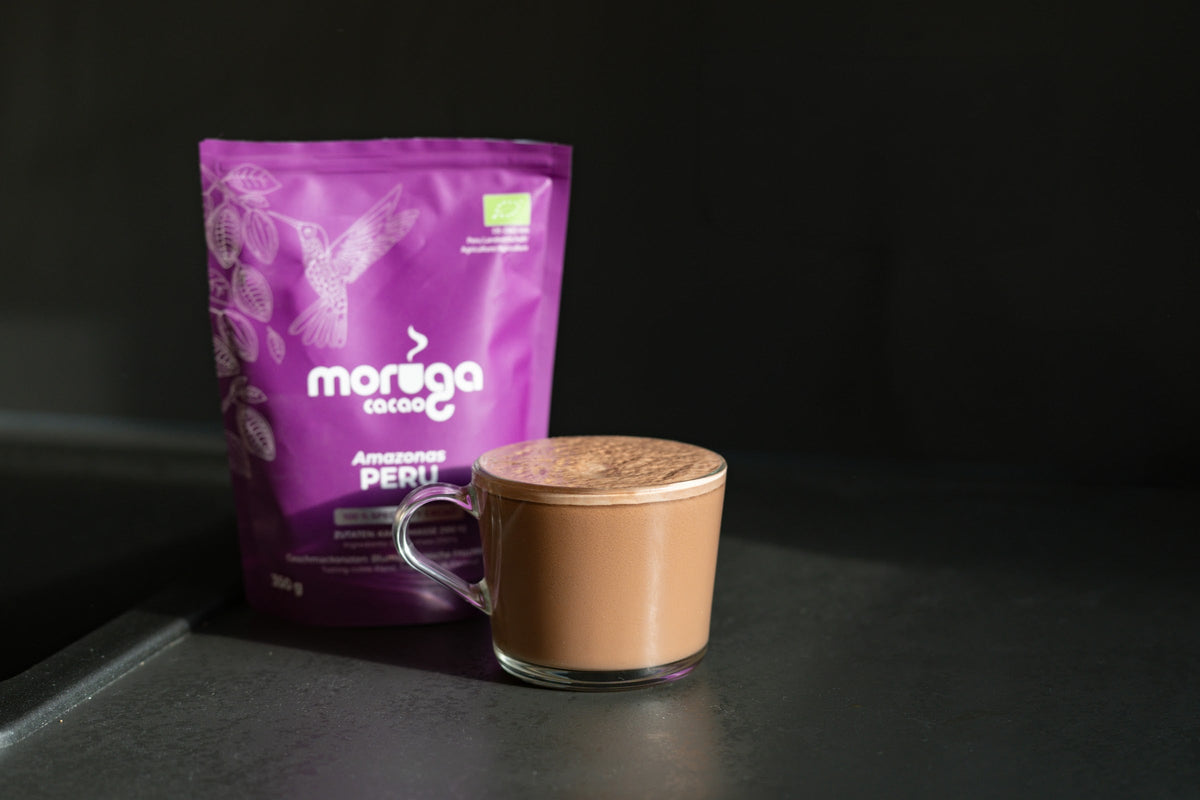




If you want to buy cacao, you will quickly meet big words: raw, ceremonial, pure, single-origin. Some of them sound nice, but they do not always help you choose a better cacao.
The better question is simpler: what will actually end up in your cup? Good cacao is not about the loudest label. It is about clear ingredients, transparent origin, careful processing and a variety that fits your daily routine.
If you want to compare directly, start with the Moruga cacao varieties, bundles and Starter Kit. If you are trying Moruga for the first time, the Starter Kit is the easiest entry point. If you already drink 100% cacao regularly, compare the Moruga value bundles or the 10x350 g pack.
1. Start with 100% cacao
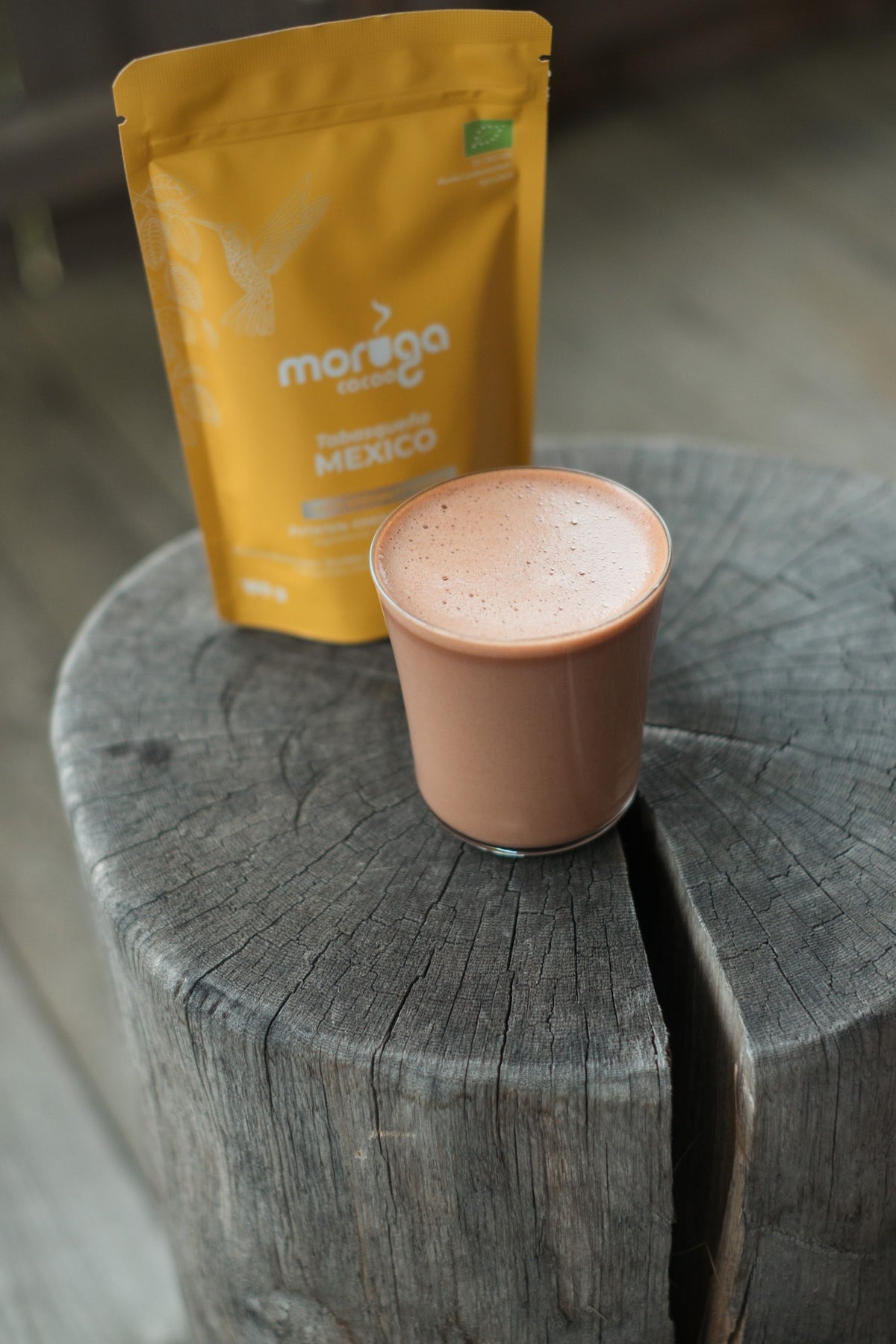
For drinking cacao, cacao rituals or cacao instead of coffee, the most important basis is simple: the product should be made from 100% cacao. No sugar, no milk powder, no flavors and no fillers.
This separates it from classic drinking chocolate or sweetened cocoa mixes. If you want cacao that is intense, creamy and versatile, 100% cacao is the better starting point.
For more detail, read Pure cacao without sugar and our comparison of cacao powder and ceremonial cacao.
2. Choose by use case, not only by origin
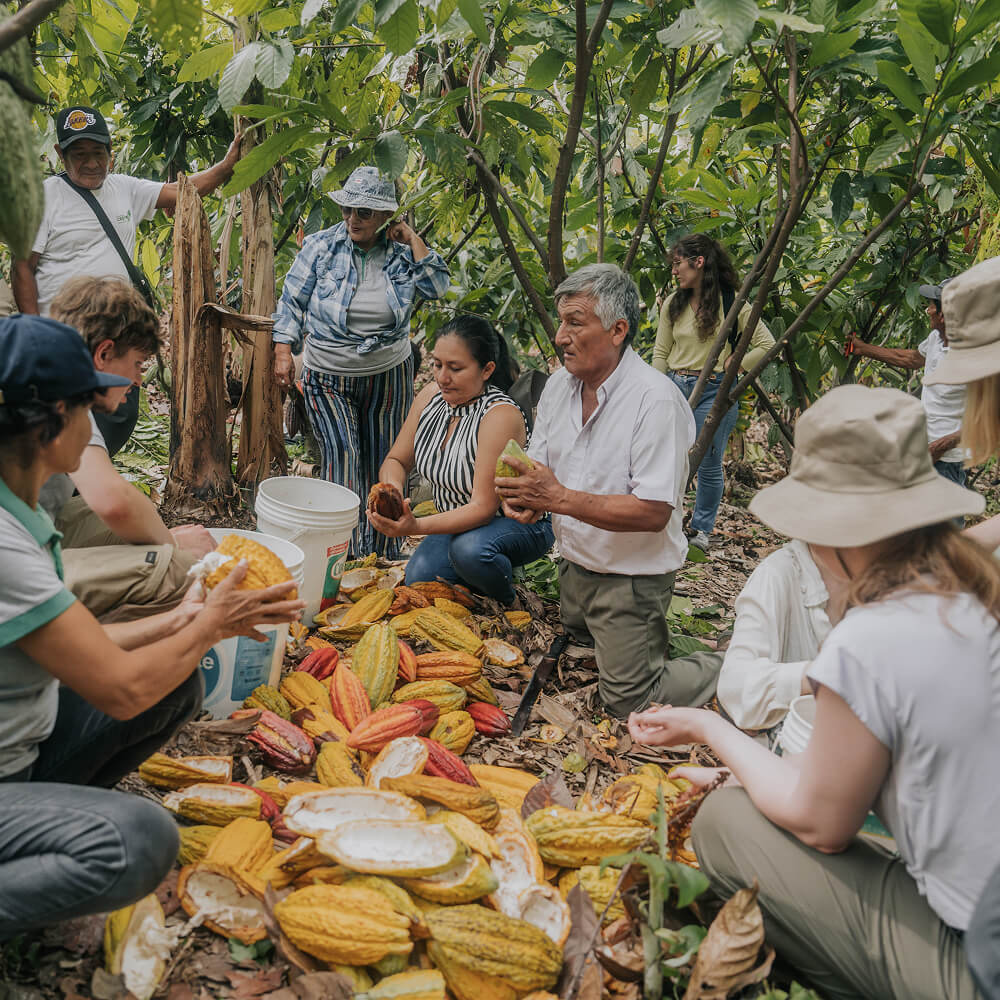
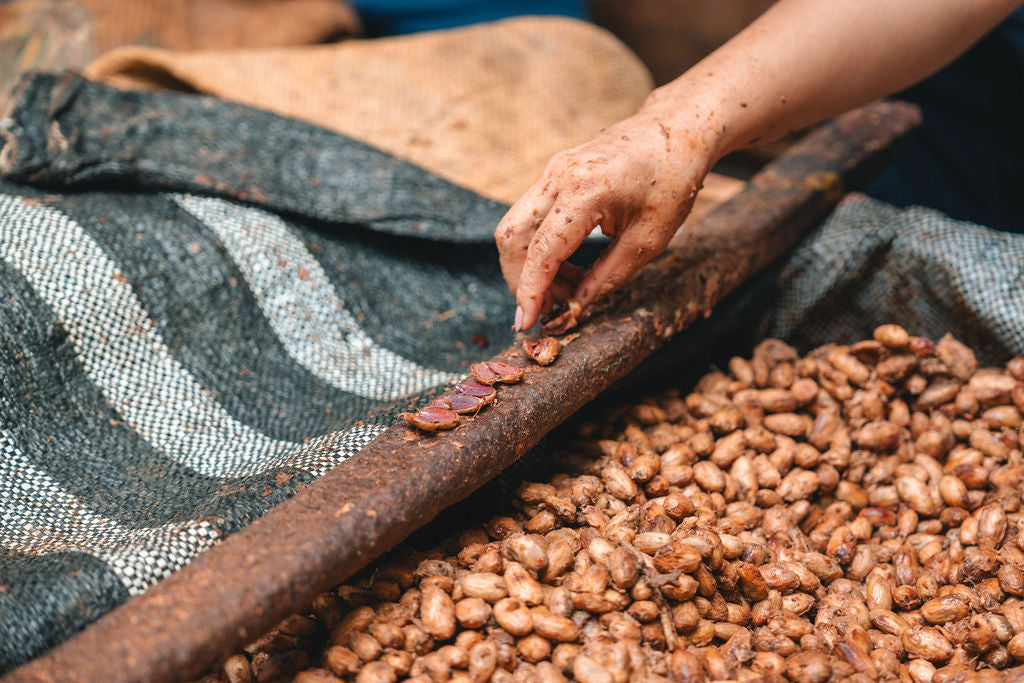
Origin matters, but it is not the only decision. Cacao from Peru, Tanzania, Colombia or Mexico can taste very different depending on variety, fermentation, roasting, fat content and processing.
- For daily use: choose a cacao that becomes creamy and does not feel too demanding.
- As a coffee alternative: choose a full-bodied cacao that fits a morning ritual.
- For a cacao ceremony: choose a cacao you want to prepare slowly and drink consciously.
- For comparison: choose a set instead of guessing one single origin.
That is why the Moruga Starter Kit exists. You can compare several origins before committing to one favorite. If you want to look at individual varieties, start on the cacao varieties page.
3. Be careful with big health promises
Cacao naturally contains plant compounds such as flavanols, minerals and theobromine. That is interesting, but it does not make cacao medicine. Good communication should explain ingredients, quality and preparation without pretending that cacao solves health problems.
If you want the grounded science context, read Flavanols in drinking cacao and Cacao instead of coffee.
4. Lab transparency is a real quality signal
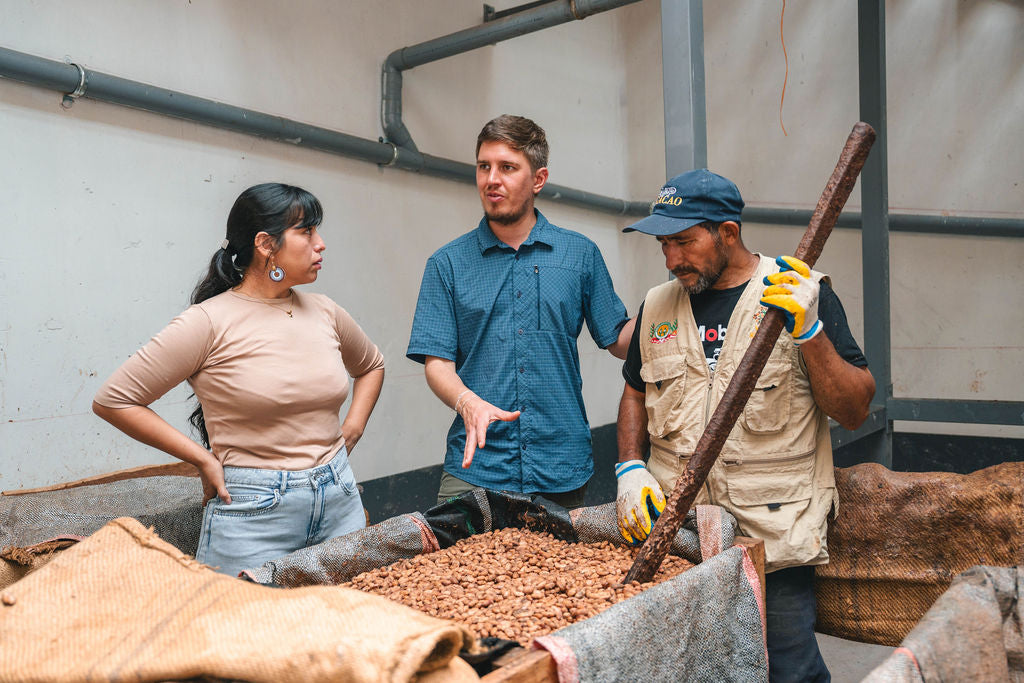
With cacao, quality is not only flavor. Depending on soil and origin, topics like cadmium and lead can matter. That is not a reason to panic, but it is a good reason to value transparency.
Our central overview is the Moruga lab tests. For context, read Heavy metals in cacao: cadmium, lead and lab values.
5. Raw cacao, ceremonial cacao, fine cacao: which terms help?
Many cacao terms are not clearly protected. Ceremonial cacao usually describes how cacao is used: warm, consciously prepared and often in a quiet setting. It does not automatically mean that a product is better.
The same is true for raw, organic or fine cacao. These terms can be useful hints, but they do not replace a clear ingredient list and transparent quality. If raw cacao is your search term, read Buy raw cacao. If your focus is ritual, read Buy ceremonial cacao.
Our short buying recommendation
- Starter Kit, if you want to find out which cacao fits you.
- Cacao varieties, if you want to compare origins, bundles and availability.
- Value bundles, if you already know your routine.
- 10x350 g pack, if you plan cacao for stock, teams or groups.
That way, you buy by what actually works in your cup, not by the loudest promise.