If you want to buy ceremonial cacao, you will quickly find big words online: raw, sacred, magical, heart-opening, superfood. Some of them sound beautiful, but they do not always help you choose a better cacao.
The more useful question is: what makes the cacao in your cup genuinely good? At Moruga, we look less at empty promises and more at ingredients, processing, flavor, origin, transparency and preparation.
This guide helps you recognize good ceremonial cacao and choose a variety that fits your ritual or daily routine. If you first want the broader buying context, read Buy cacao: how to choose 100% cacao.
What does ceremonial cacao mean?
For many people, ceremonial cacao means cacao that is prepared and drunk consciously: as a morning ritual, in a cacao ceremony, after yoga, while journaling or simply as a quiet moment away from screens.
The key difference to classic hot chocolate is not the ceremony itself, but the base: good ceremonial cacao should be 100% cacao. No sugar, no milk powder, no flavor mix. Just cacao.
If you are new to the topic, read What is a cacao ceremony? or the Cacao Ceremony Guide.
1. Look for 100% cacao
The first thing to check is the ingredient list. For a clear cacao ritual, the ideal list contains one ingredient: cacao. The more sugar, flavors or fillers are added, the further you move away from the actual bean and its flavor.
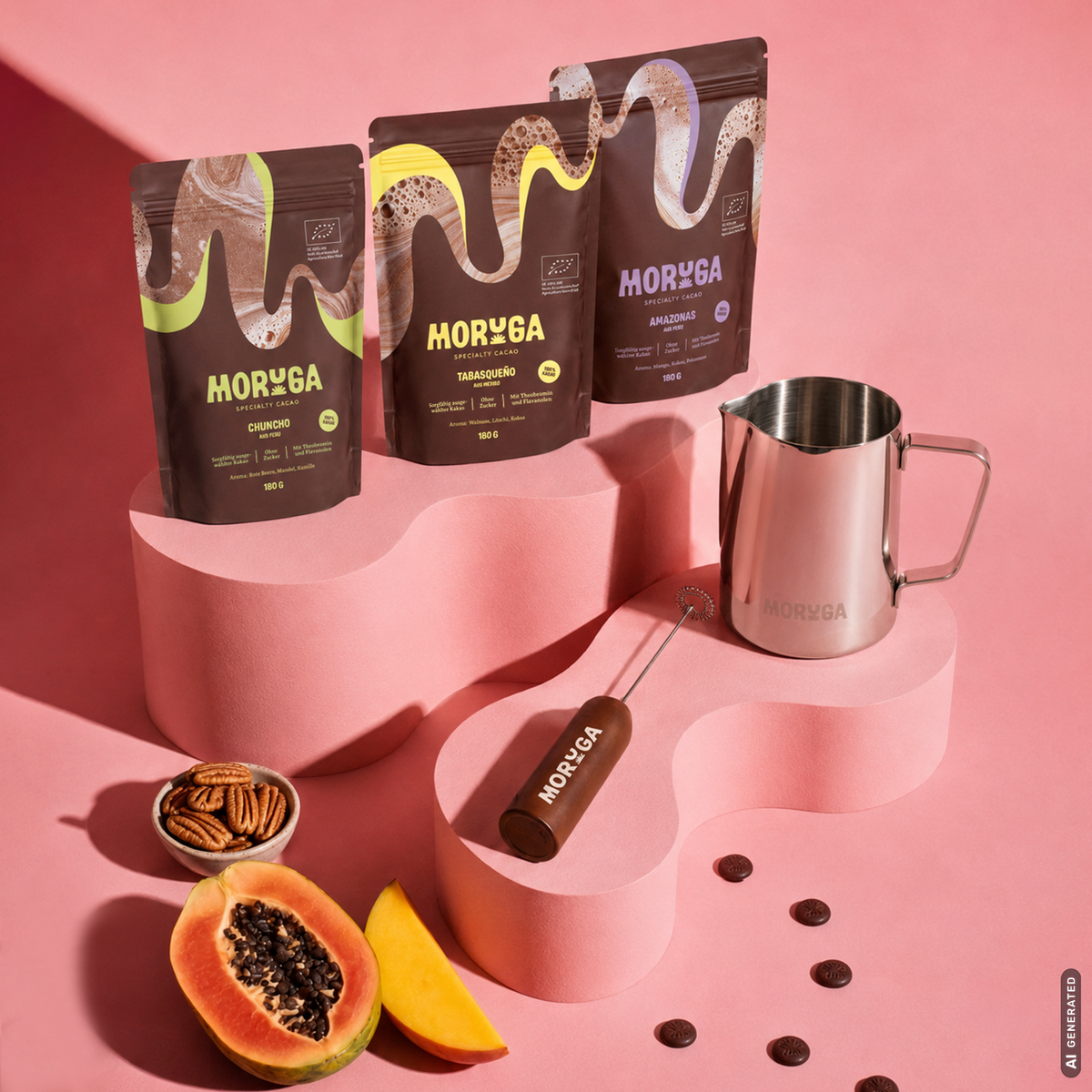
Moruga cacao is made from 100% cacao and can be used in drops or bar form. You can drink it with water, combine it with plant milk or use it in recipes. To understand the ingredient question more deeply, read Pure cacao without sugar.
2. Powder is not automatically worse, but it is different
Many people who search for ceremonial cacao first find cacao powder. Powder can be good, but it is not the same as full 100% cacao mass. In powder, part of the cacao butter has been removed. That changes texture, mouthfeel and preparation.
For a creamy drink, full cacao with its natural cacao butter is often more satisfying. Read more in Cacao powder vs. ceremonial cacao.
3. Origin and processing matter more than buzzwords
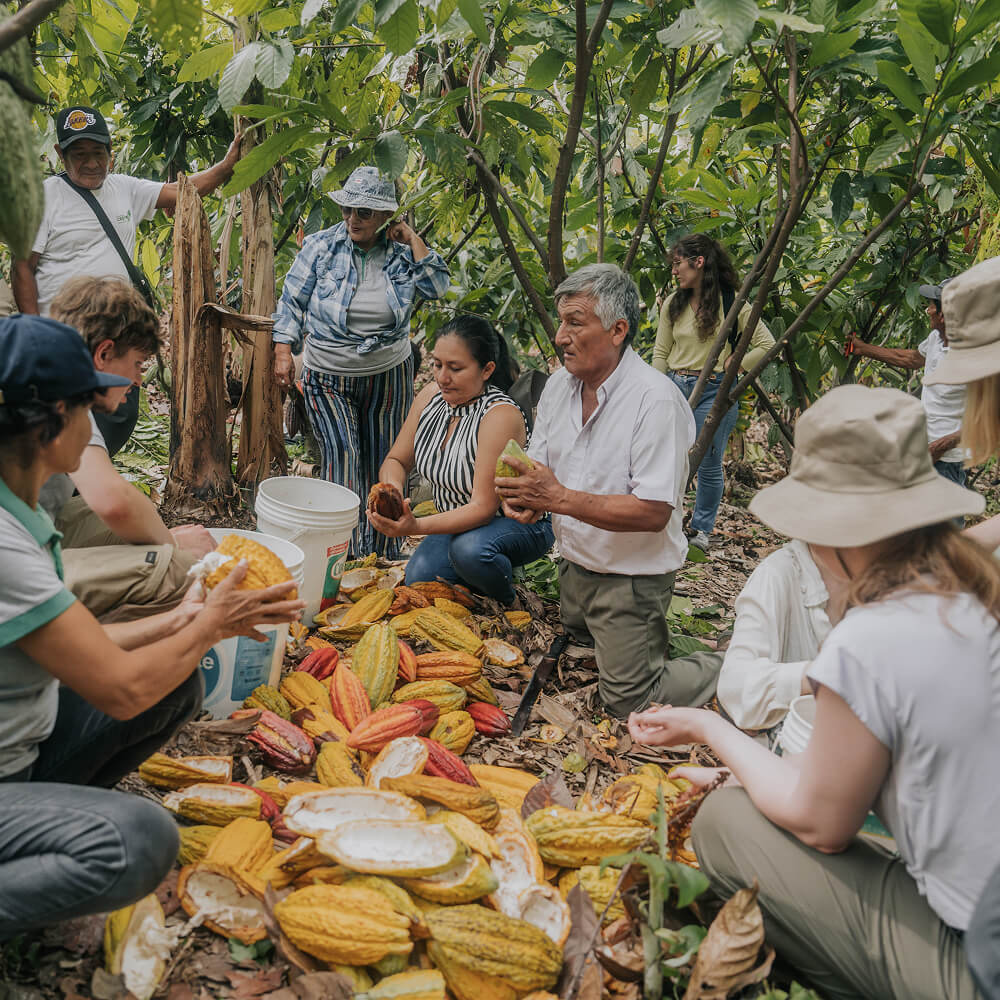
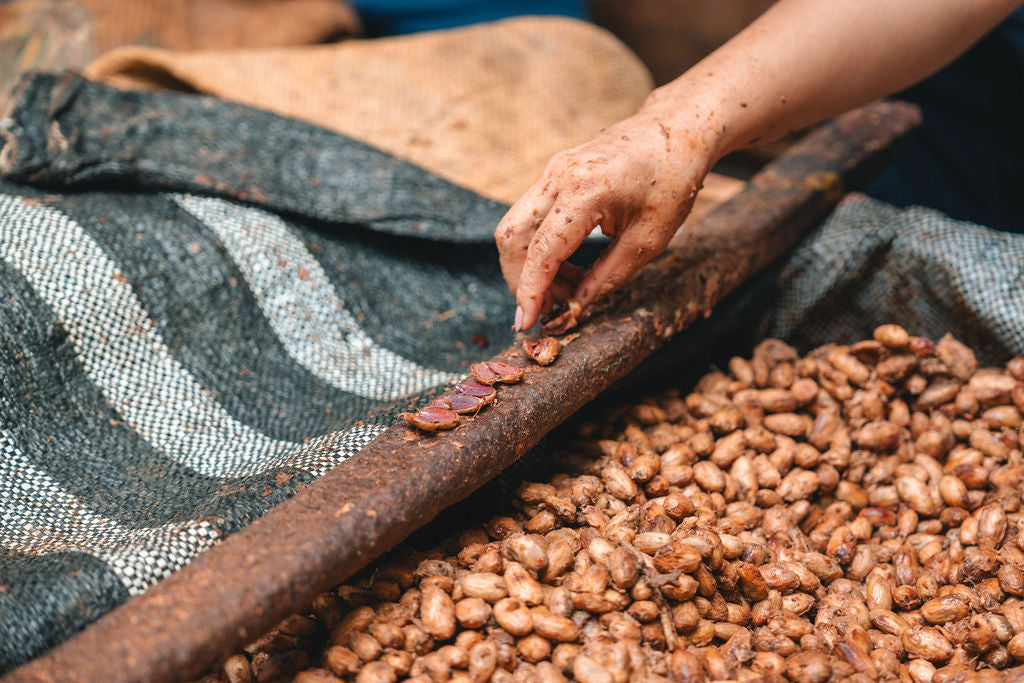
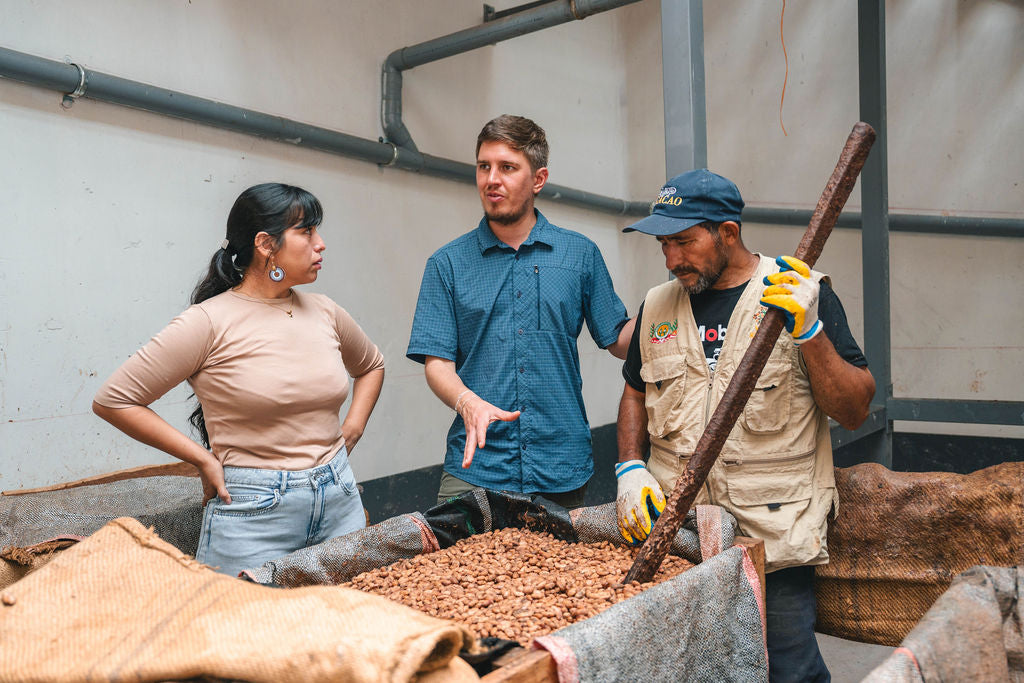
Good cacao is created through many careful steps: ripe cacao fruit, proper fermentation, clean drying, suitable roasting and careful grinding. Origin influences flavor, but processing decides how much of that potential reaches your cup.
There is no single best variety for everyone. Some origins taste milder, others fruitier, nuttier, more intense or more earthy. That is why comparison is useful.
Start on the cacao varieties page or learn more about individual origins such as Arhuaco from Colombia, Udzungwa from Tanzania and Tabasqueno from Mexico.
4. Which cacao fits your ritual?
If you are buying ceremonial cacao for the first time, comparison is often better than a large amount of one single origin. You will quickly notice whether you prefer mild, fruity, bold or earthy profiles.
The Moruga Starter Kit is the easiest way to start because you can taste several options and learn the preparation. If you already drink cacao regularly, compare current Moruga varieties and bundles.
5. Preparation changes the experience
Even very good cacao can taste flat if it is prepared poorly. Too hot, too thin, not blended enough or not fully emulsified: all of this changes the cup.
A simple daily base is 15 to 25 g cacao with hot water or a mix of water and plant milk. Blend or froth until smooth. For a more detailed guide, read How to prepare Moruga cacao.
6. Be careful with big effect promises
Cacao can be a beautiful ritual: warm, bitter, aromatic and slow. It naturally contains compounds such as theobromine and small amounts of caffeine. Still, cacao is not medicine and does not replace medical advice.
If a brand makes very large claims, look twice. Serious cacao does not need to promise everything. It should be good, transparent and carefully made.
For sensitivity and possible reactions, read Cacao ceremony side effects.
7. Transparency builds trust
With cacao, origin, processing and lab transparency matter. Do not only look at packaging or spiritual language. Ask concrete questions: where does the cacao come from? What is in it? Are there lab values or quality details?
Our central transparency page is Moruga lab tests.
Conclusion
If you want to buy ceremonial cacao, start with 100% cacao, good flavor, transparent origin and preparation that fits your life. The rest can stay simple.
Compare all current Moruga cacao varieties or begin with the Starter Kit.