A cacao ceremony is often described as warm, calming and connective. At the same time, 100% cacao is not a neutral drink. Cacao naturally contains active plant compounds and can feel stimulating, especially when people drink larger ceremonial servings.
That is why it is useful to talk honestly about possible cacao ceremony side effects. Not because cacao is generally problematic, but because a good ritual also has clear expectations: what can happen, who should be careful and how can you prepare well?
Possible reactions
People react differently to cacao. Some feel calm, warm and present. Others notice activation, mild restlessness, stronger body awareness or a need to withdraw. Digestive discomfort, nausea or headaches can also happen, especially with larger amounts or when the body is already sensitive.
Cacao can also make emotions feel closer. That does not need to be dramatic. Sometimes you simply become quieter, softer or more aware of what is already there. This is why the frame matters: enough time, no pressure and no forced sharing.
Who should be especially careful?
This article is not medical advice. If you are pregnant, breastfeeding, taking medication, have cardiovascular concerns, react strongly to stimulants or feel psychologically unstable, get professional advice before participating in a cacao ceremony with larger servings.
If you feel ill, exhausted or overstimulated on the day itself, less is often better. A ceremony does not have to be large. Sometimes a small cup and a quiet evening are the more honest choice.
How to reduce risk
Do not start with a maximum amount just because a recipe or ritual suggests it. Especially the first time, a smaller cup is sensible. Drink water, eat something light beforehand and avoid scheduling a demanding appointment immediately afterwards.
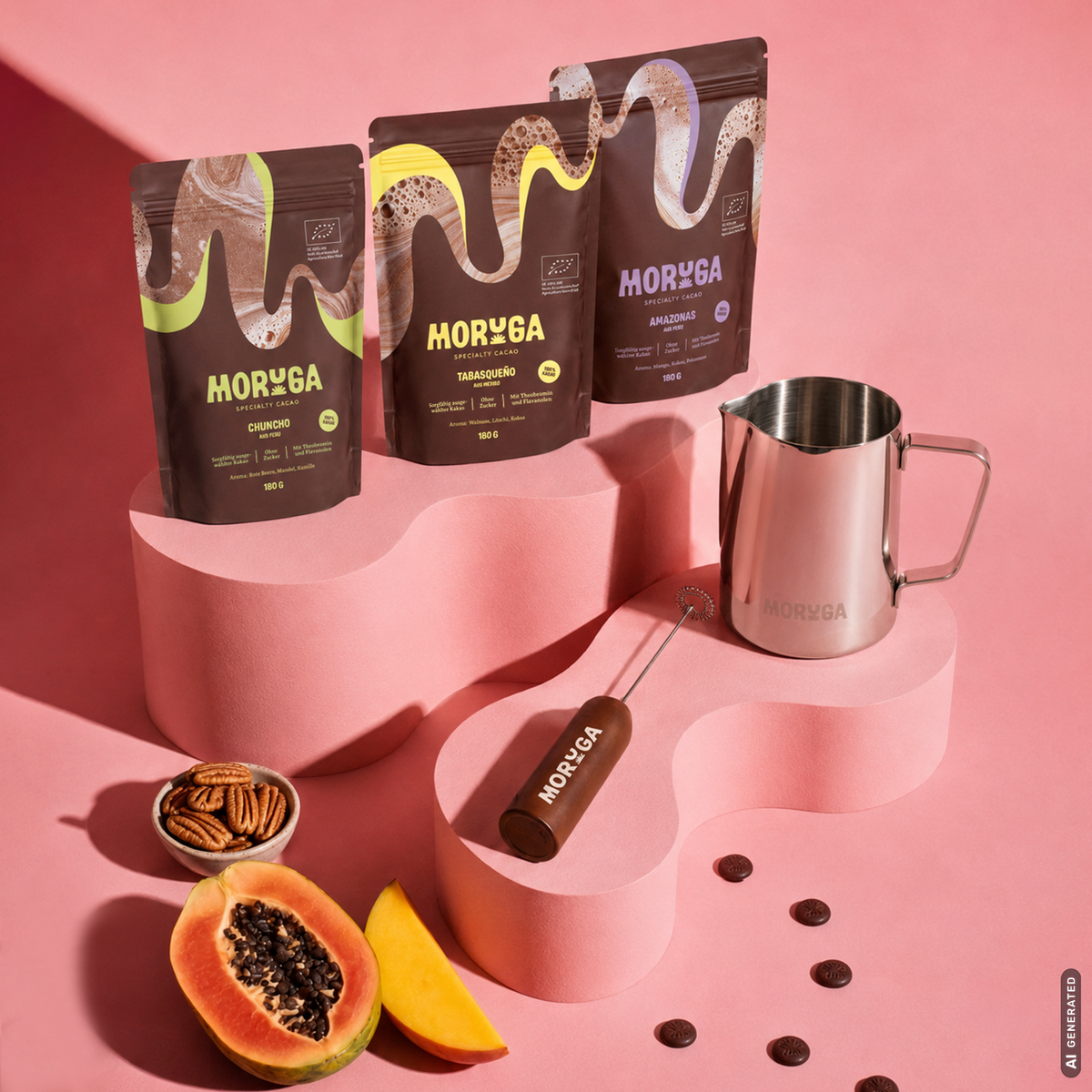
Choose a cacao that fits you. Pure 100% cacao without added sugar or flavoring makes it easier to understand how the cacao itself feels. If you are unsure which origin suits you, the Moruga Starter Kit is a useful starting point.
What a good ceremony frame needs
A good frame is not complicated. It is clear. You know why you are drinking cacao, you have enough time, you put your phone away and you give your body permission to slow down.
If you are just starting out, read what is a cacao ceremony?. If your main question is which cacao to buy, read ceremonial cacao buying guide.
Which cacao fits ceremonies?
Many people use 100% cacao for ceremonies because it is pure, intense and easy to dose. For more orientation, read types of cacao used in ceremonies.
You can compare current Moruga origins on the cacao varieties overview. The goal is not to find the strongest cacao. The goal is to find a cacao that helps you slow down.
Conclusion
Cacao ceremonies can be beautiful, soft and connective. They are not a competition and not a shortcut. If you start carefully, leave enough space and listen honestly to your body, cacao is more likely to become a useful ritual than an overwhelming stimulus.
Next steps: compare Moruga cacao varieties, try the Starter Kit, or check Moruga lab tests.