Many people search for raw cacao when they actually mean pure, high-quality cacao: not sweetened, not flavored and not disguised as drinking chocolate. The term raw cacao sounds natural and close to the origin, which is why it is often used in marketing.
The problem is that raw cacao is not a very precise quality term. On its own, it does not tell you how good a cacao tastes, how transparently it was sourced or whether it fits your daily routine.
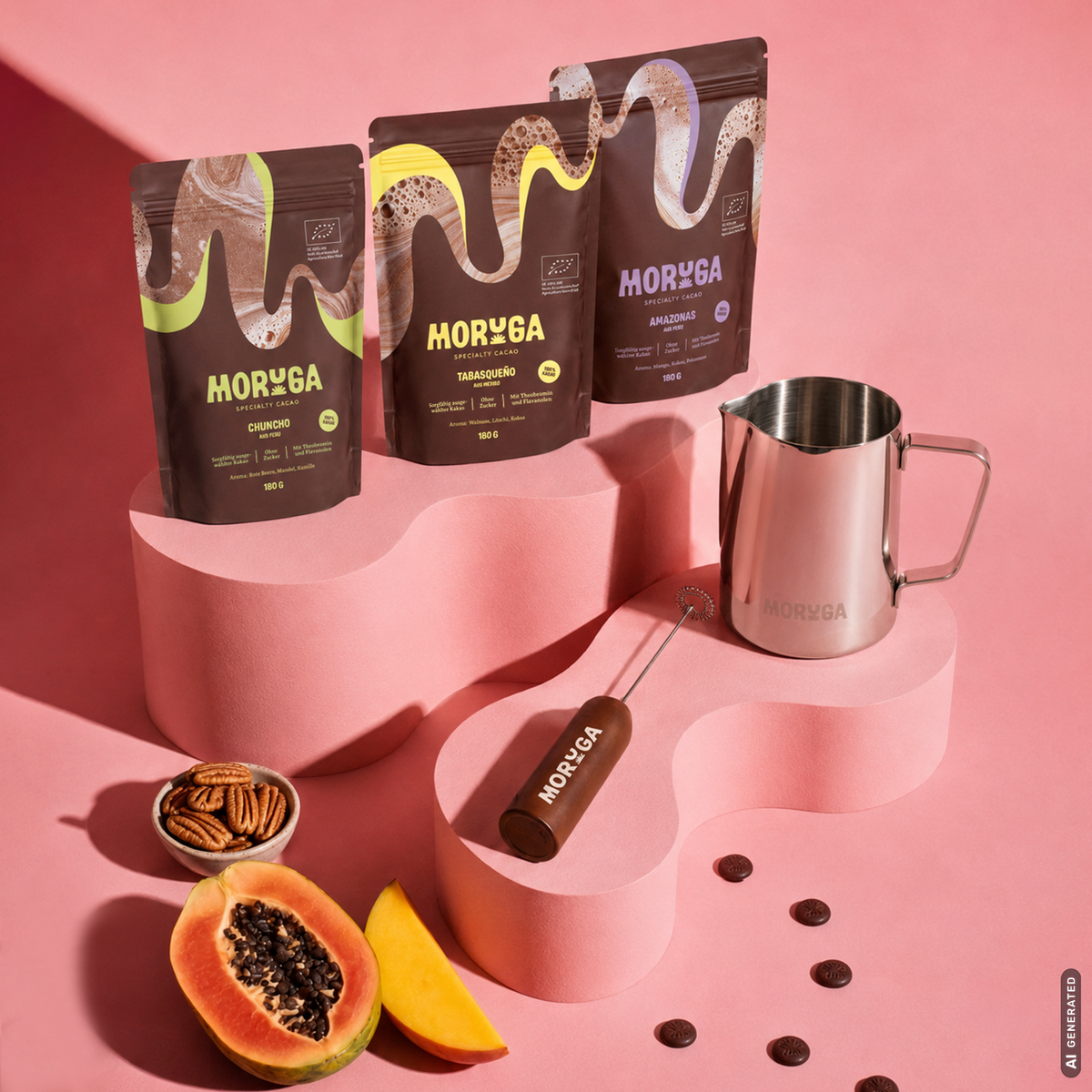
If you want to compare current Moruga options directly, start with the cacao varieties page. For a first tasting, the Moruga Starter Kit is often the best entry because you can compare several origins.
What does raw cacao mean?
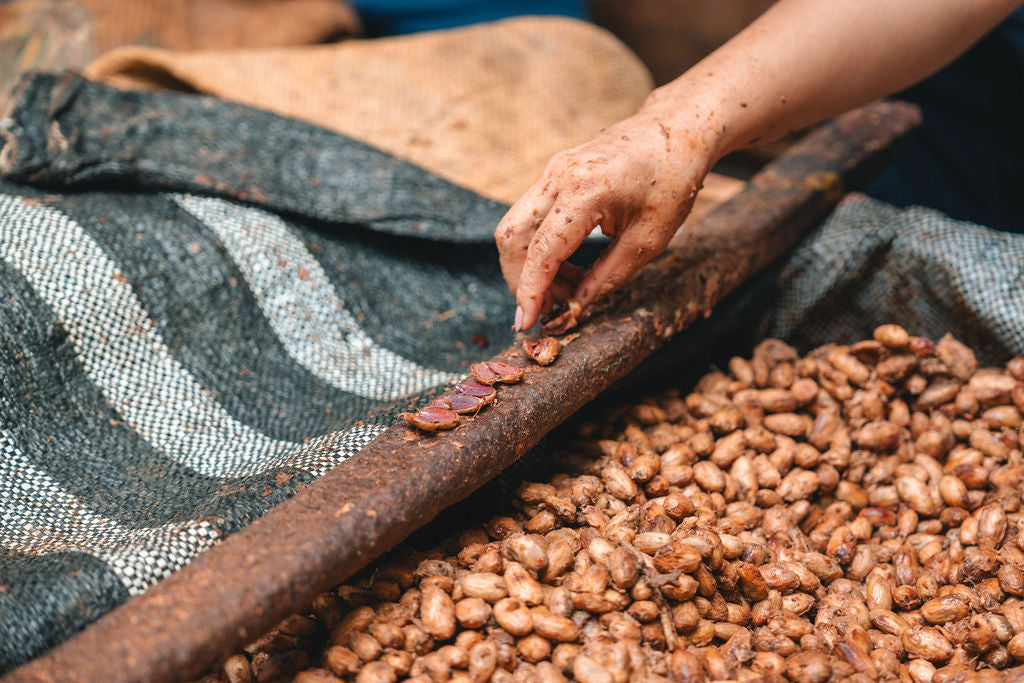
Raw cacao is usually used for cacao that has been processed as little as possible. In practice, the term is less clear than it sounds. Cacao is fermented, dried and processed in different ways. Temperature, origin, variety and processing can vary widely.
That is why we recommend not buying only by the word raw. Look at ingredients, origin, flavor, lab transparency and whether the brand explains what you are actually buying.
100% cacao is the more useful category
If you are looking for a pure cacao for everyday use, a cacao ritual or a cacao ceremony, 100% cacao is usually the better anchor. It means no added sugar, no milk powder, no flavors and no fillers.
For more context, read Pure cacao without sugar. If you want the broader buying overview, read Buy cacao: how to choose 100% cacao.
Raw or roasted?
Raw sounds automatically better, but that is not always true. Good fermentation, clean drying and careful roasting can improve aroma, mouthfeel and digestibility. A poorly processed raw cacao is not better than a well processed 100% cacao that has been roasted with care.
Flavor should matter. Good cacao can be fruity, nutty, mild, spicy or intense. It should not need vague promises to feel valuable.
What to check before buying
- Ingredients: ideally only cacao.
- Form: drops, bars or chopped cacao are easy to dose and prepare.
- Flavor: good 100% cacao does not have to be harsh and bitter.
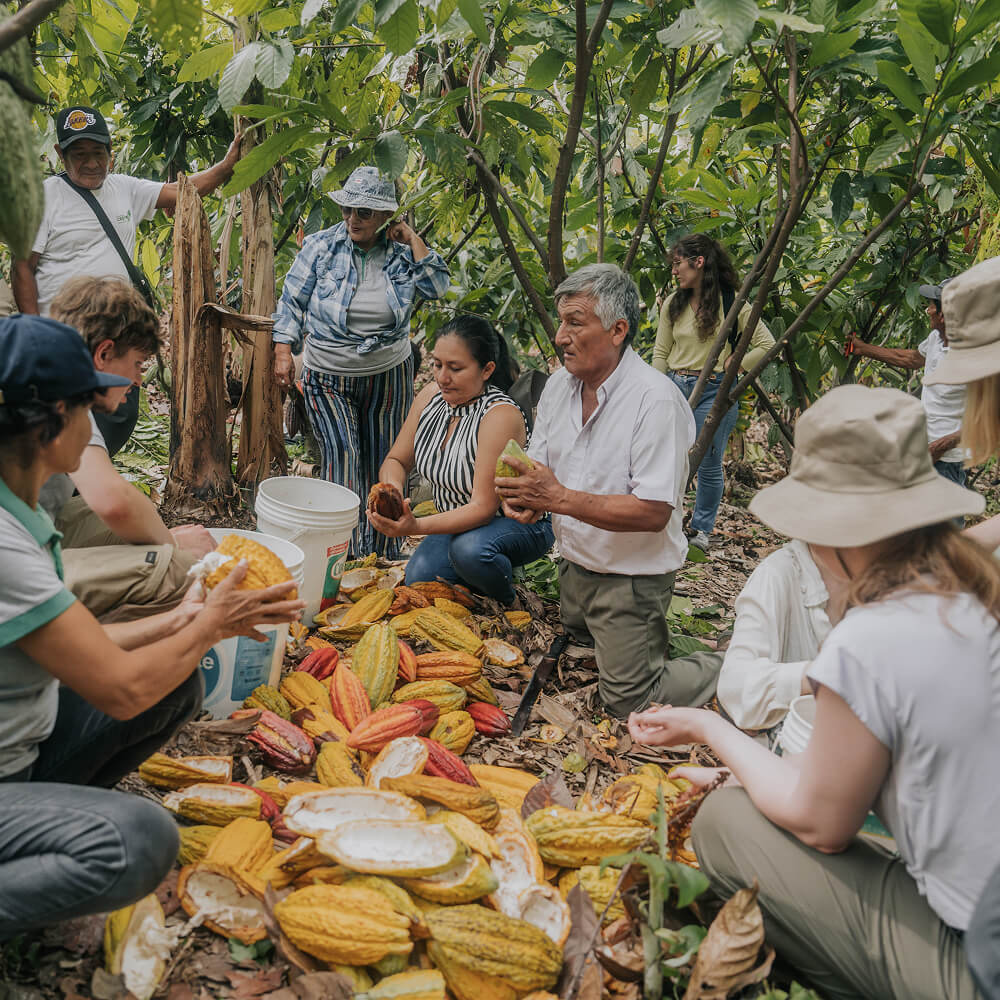
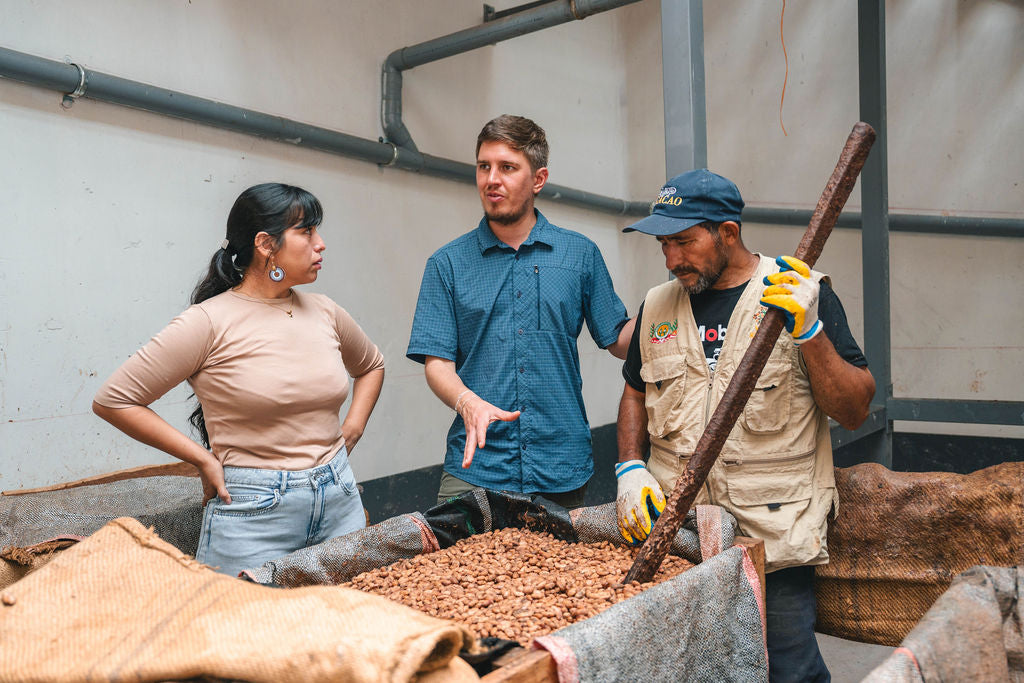
- Transparency: origin, lab values and processing should be understandable.
- Availability: single origins can sell out, so a set or overview page is often more reliable.
Is raw cacao automatically healthier?
We would be careful with that claim. Cacao is an interesting food with naturally occurring plant compounds such as flavanols and theobromine. But individual words like raw or natural are not enough for big health promises.
If you are interested in active compounds, read Flavanols in cacao. If you care about cadmium, lead and testing, go to the Moruga lab tests or read our guide to heavy metals in cacao.
Raw cacao and ceremonial cacao
Many searches for raw cacao come from the cacao ceremony world. For that use case, quality still comes from the same basics: 100% cacao, clear ingredients, careful preparation and a variety you actually enjoy drinking.
If ritual is your focus, read Buy ceremonial cacao. If you want a simple tasting route, compare the current cacao varieties or start with the Starter Kit.
Conclusion
If you want to buy raw cacao, do not chase the most romantic label. Look for honest 100% cacao, transparent origin, good flavor and a brand that does not need exaggerated promises.
Cacao does not have to be complicated. It has to be honest.