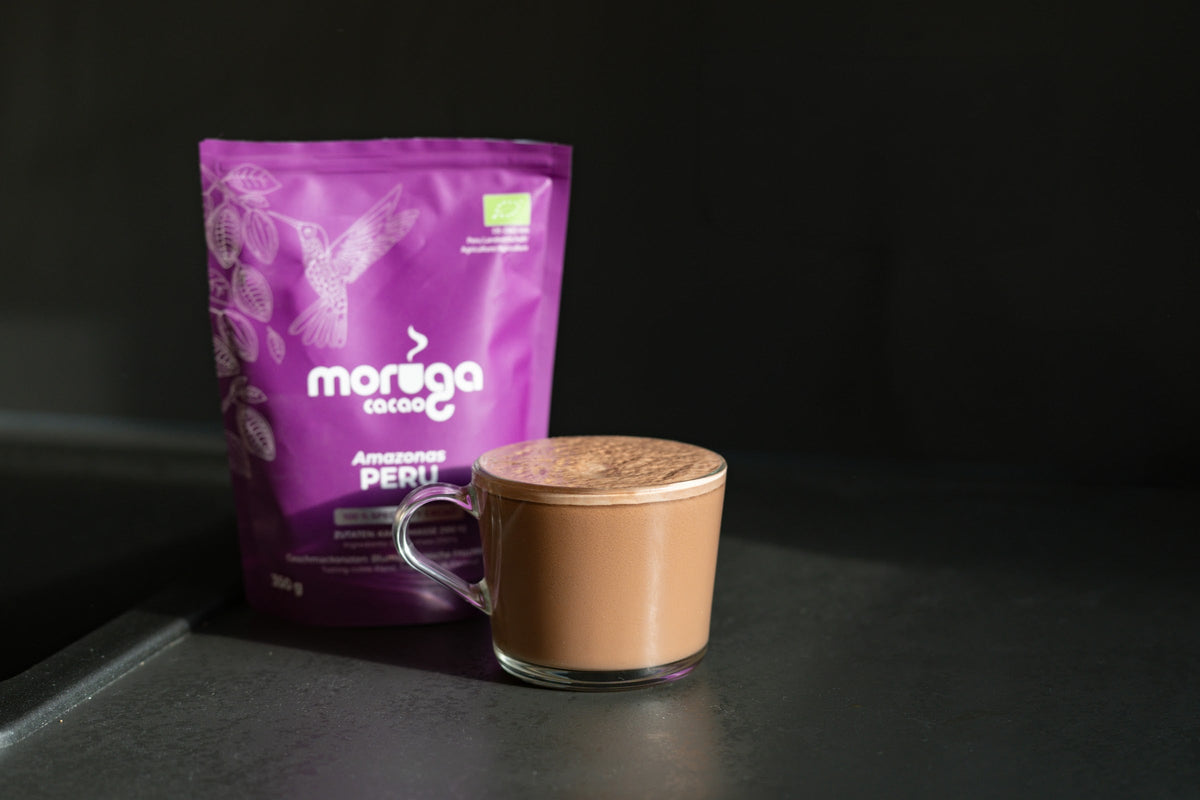




Sustainable cacao: the story behind your cup — the Moruga Foodprint 2025 is here!

Most people associate cacao with sweets. Something to indulge in and feel a little guilty about afterwards.
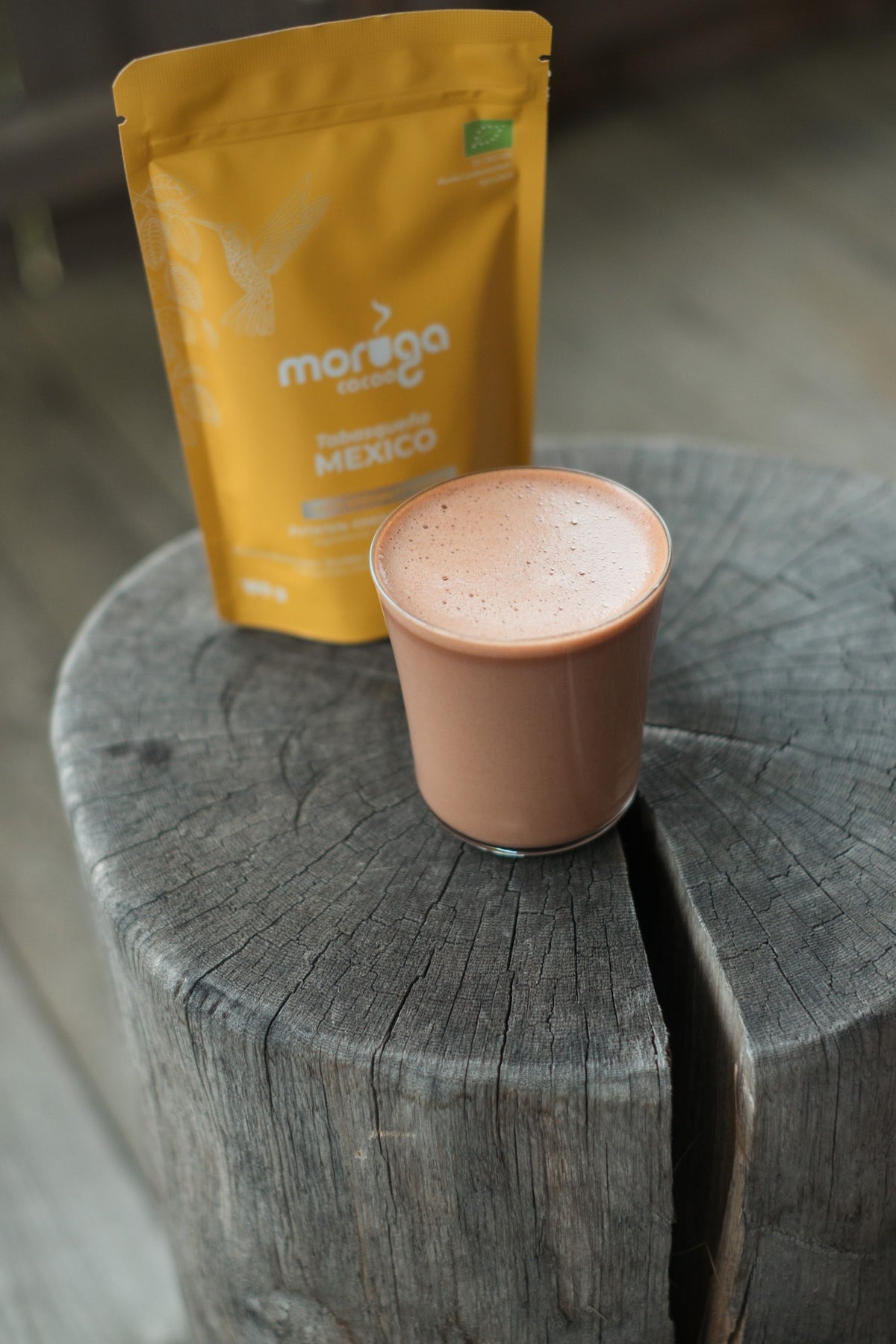
We see it differently. For us, cacao is fuel: gentle energy, clear focus, no crash. No sugar. No jitters. But fuel is only half the story. The other half happens long before the cacao reaches your cup — in the forests, on the farms and among the people who grow it.
Once a year, we work with our origin partner Original Beans to calculate the difference this journey makes. The result is called the Foodprint. The 2025 edition is here, and we want to share it with you.
First: real cacao, 100% chocolate
Let’s take a step back, because this is where it all begins. Moruga is Specialty Cacao — not a chocolate bar or a sweet powder from a supermarket shelf. The difference is more than a word.
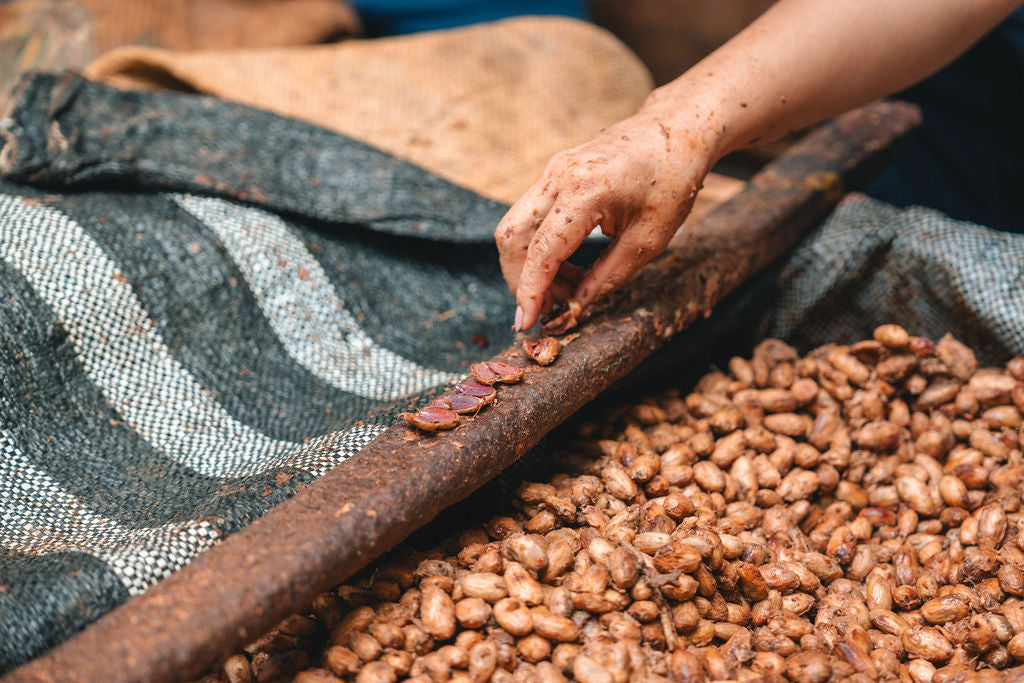
Specialty Cacao comes from individual, carefully selected farms. It is harvested only at perfect ripeness, fermented in small batches, selected by hand, gently roasted and stone-ground. No sugar to overpower the flavour.
What remains is the cacao itself: rich in flavanols for heart and mind, rich in theobromine for calm, lasting energy. A functional food — not a supplement or a sweet. This same standard also determines how sustainable the cacao is. Because quality begins at its origin.
We preserve what is rare
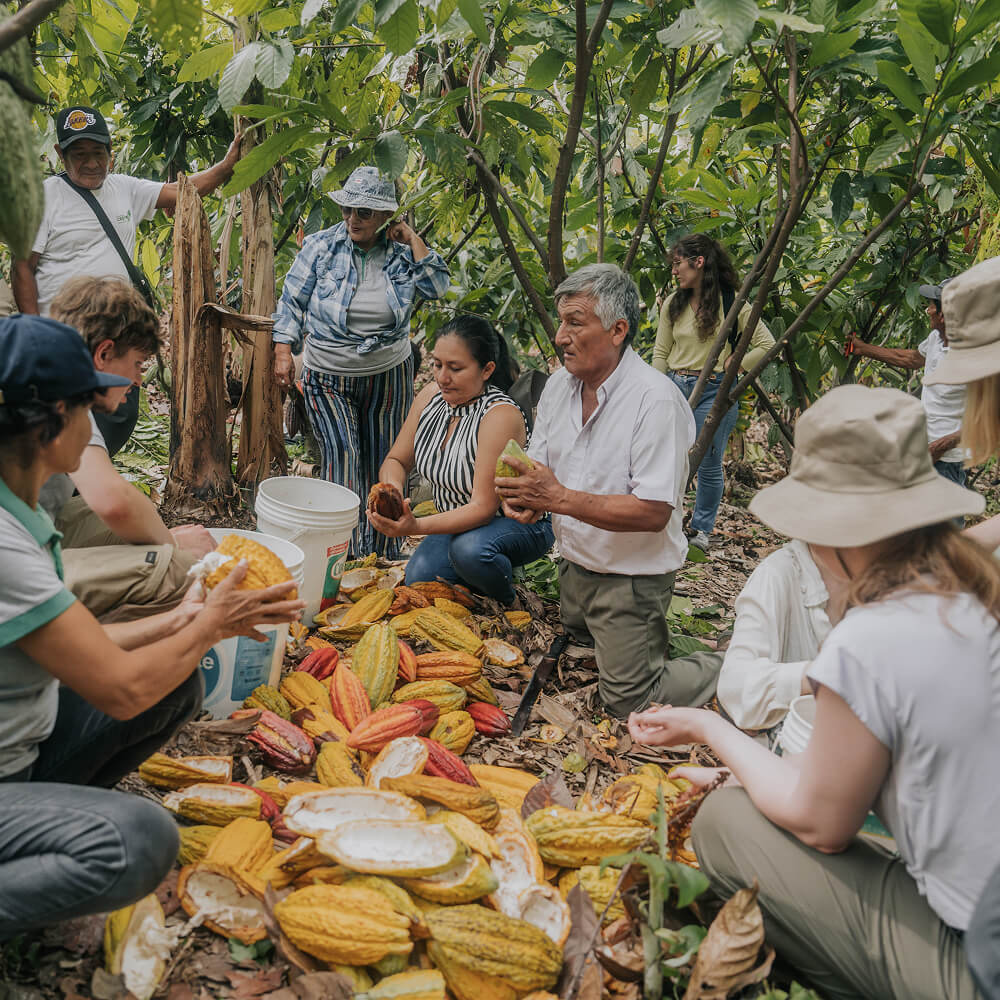
Good cacao grows only where nature remains intact: in biodiverse forests, in the shade of larger trees and in healthy soil.
That is why conservation is a foundation for us, not a campaign. In 2025, our supply chain helped preserve and replant 204,090 trees — living mixed forests instead of exhausted monocultures. These trees provide shade, give countless species a home and capture carbon: 519,422 kg of CO₂ were removed from the atmosphere in this way.
52,299,774 cacao beans
There are people behind cacao, not just beans. The conventional cacao trade is notorious for forgetting that: long chains of intermediaries and world-market prices that barely provide a living.
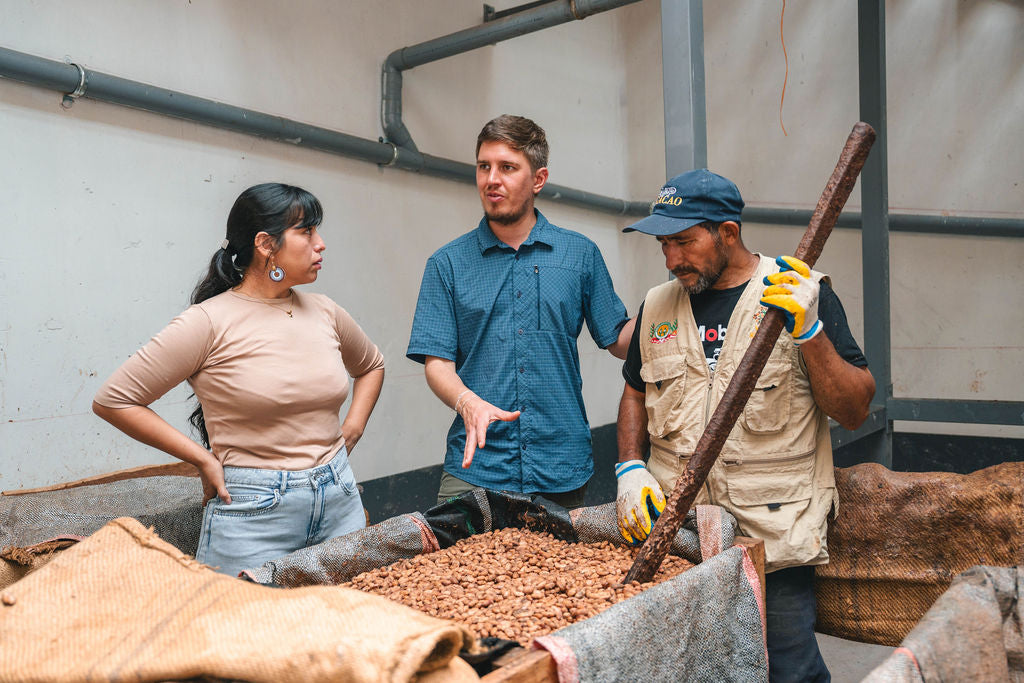
Our partner Original Beans takes a direct approach, working directly with farmers in the country of origin. In 2025, 52,299,774 cacao beans reached us this way, through genuine trading partnerships rather than an anonymous supply chain. And we pay 3 to 6.4 times above a living income.
We leave out what does not belong
Sustainability does not stop at cultivation. It is also about what we don’t do.
Zero additives. No sugar. Nothing that obscures the origin or disguises quality. Just cacao that tastes as it should — complex, deep and unadulterated. We proudly purchased 40,818 kg of it in 2025.
Why it all connects
The conventional industry’s trick is to force a choice: enjoyment or a clear conscience. Function or principles. Delicious or responsible.
We believe that is a false choice. Healthy forests produce better cacao. Fairly paid farmers deliver better quality. And cacao without additives does more than taste authentic: it does more for you, too. The figures in this Foodprint are not separate programmes. They tell one story: take the origin seriously, and you end up with a better cup.
That is what Fueled by Cacao means. Not just the energy in your body, but the whole system behind it — forests, people and flavour — that keeps every cup going.
Frequently asked questions about sustainable cacao
What is Specialty Cacao?
Specialty Cacao is high-quality cacao from individual, carefully selected farms, harvested at perfect ripeness, carefully fermented, selected by hand and gently processed. It is rich in flavanols and theobromine and contains no additives — a functional food, not a sweet.
What makes cacao sustainable?
Sustainable cacao grows in biodiverse mixed forests rather than monocultures, protects soil and biodiversity, and captures CO₂. It also involves fair trade that pays farmers significantly more than a living income.
What is a Foodprint?
A Foodprint shows a supply chain’s impact in numbers: trees preserved and replanted, CO₂ captured, fairly paid beans bought through direct trade, and the absence of additives. Moruga produces it annually with our origin partner Original Beans.
Is cacao a good alternative to coffee?
For many people, yes. Thanks to theobromine, Specialty Cacao provides calm, lasting energy — without a rapid caffeine spike and subsequent crash. No sugar, no jitters.