

Kakao-Ursprünge · Tansania
So wächst Udzungwa.
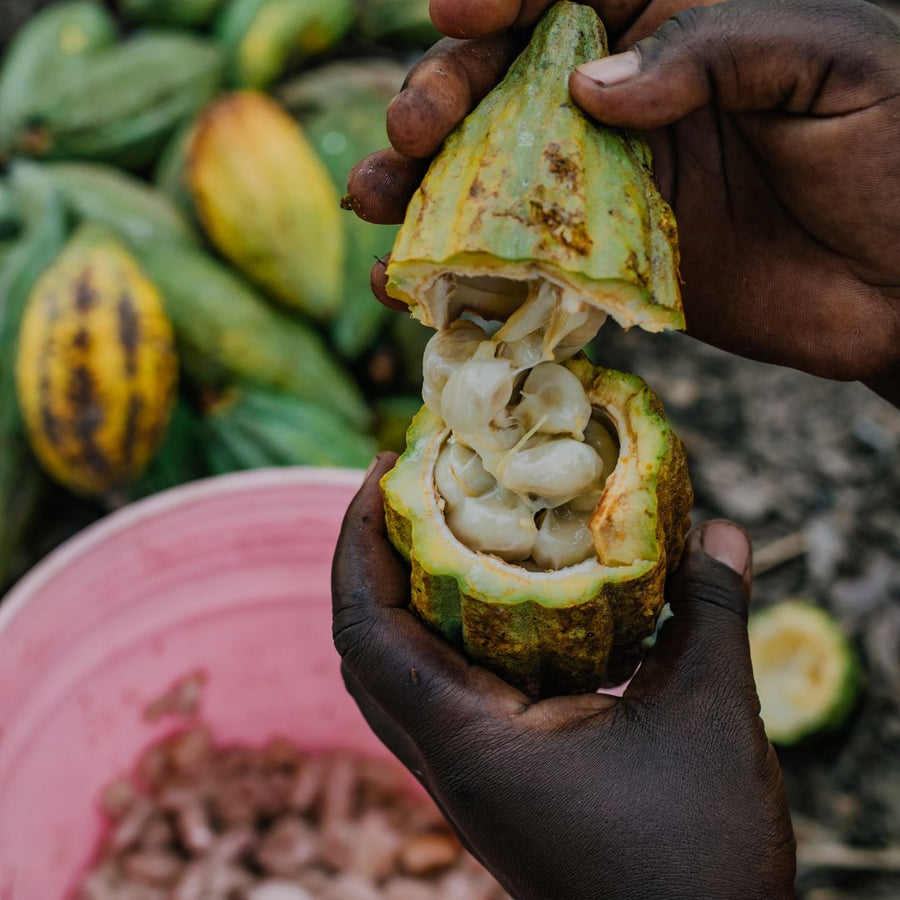
Im Kilombero-Tal verbinden Kleinbauern und das Kokoa-Kamili-Projekt sorgfältigen Anbau mit zentraler Fermentation. Hier beginnt die Reise unseres Udzungwa.
Udzungwa entdecken
Auf dieser Seite
Udzungwa Kakao: Ein neues Kapitel für Afrikas Wertschöpfung
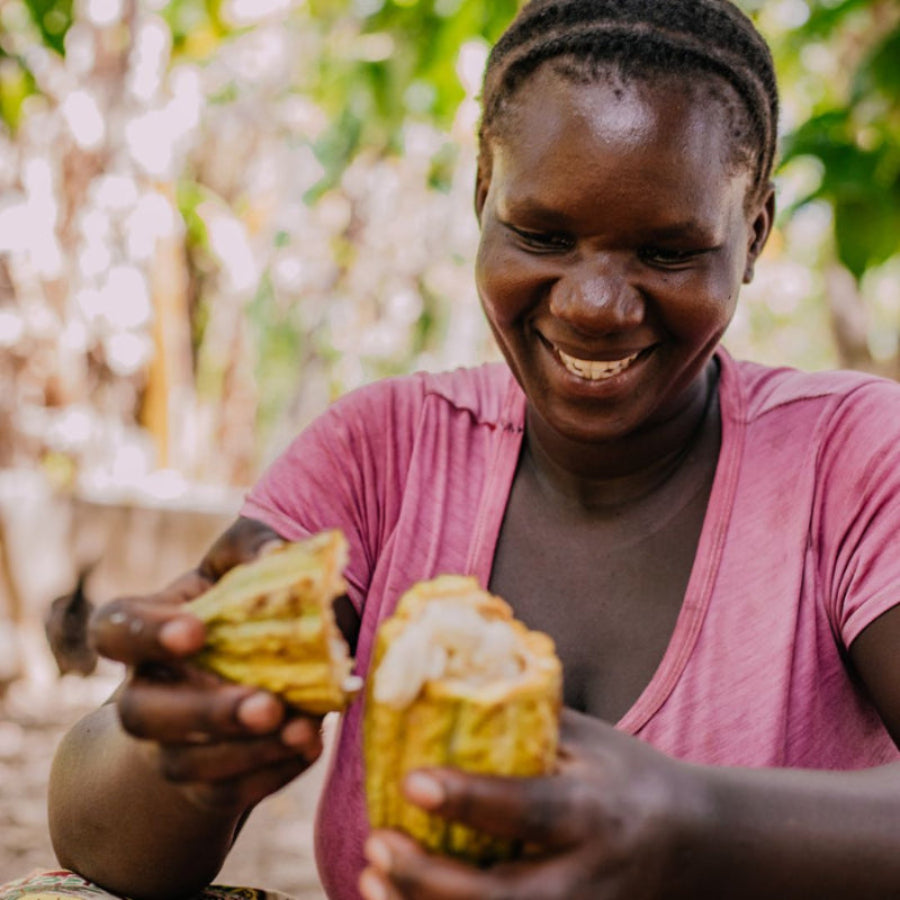
Die Reise zu diesem besonderen Kakao begann im Kilombero-Tal in Tansania, wo Kleinbauern seit Generationen Kakao im Einklang mit der Natur anbauen. Mit dem Start des Kokoa Kamili Projekts wurde 2013 ein neues Kapitel aufgeschlagen: Durch den direkten Ankauf frisch geernteter Kakaobohnen zu fairen Preisen erhalten die Bauern höhere Einkommen und mehr Zeit, sich auf ihre Felder und Familien zu konzentrieren.
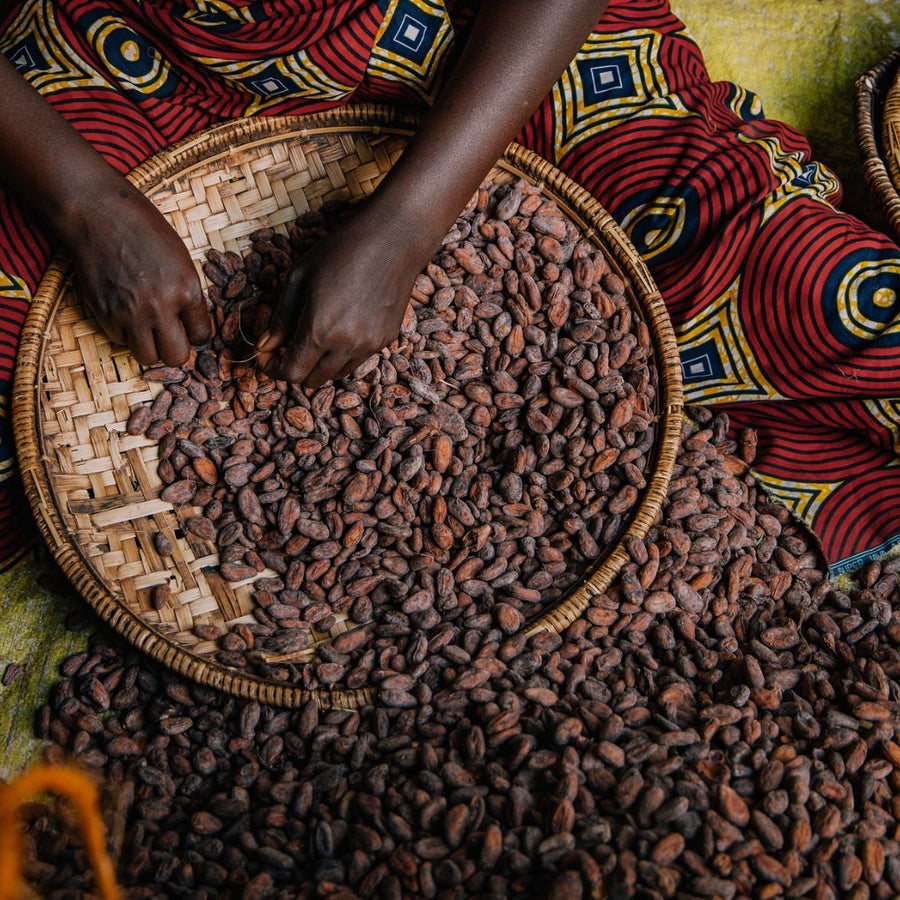
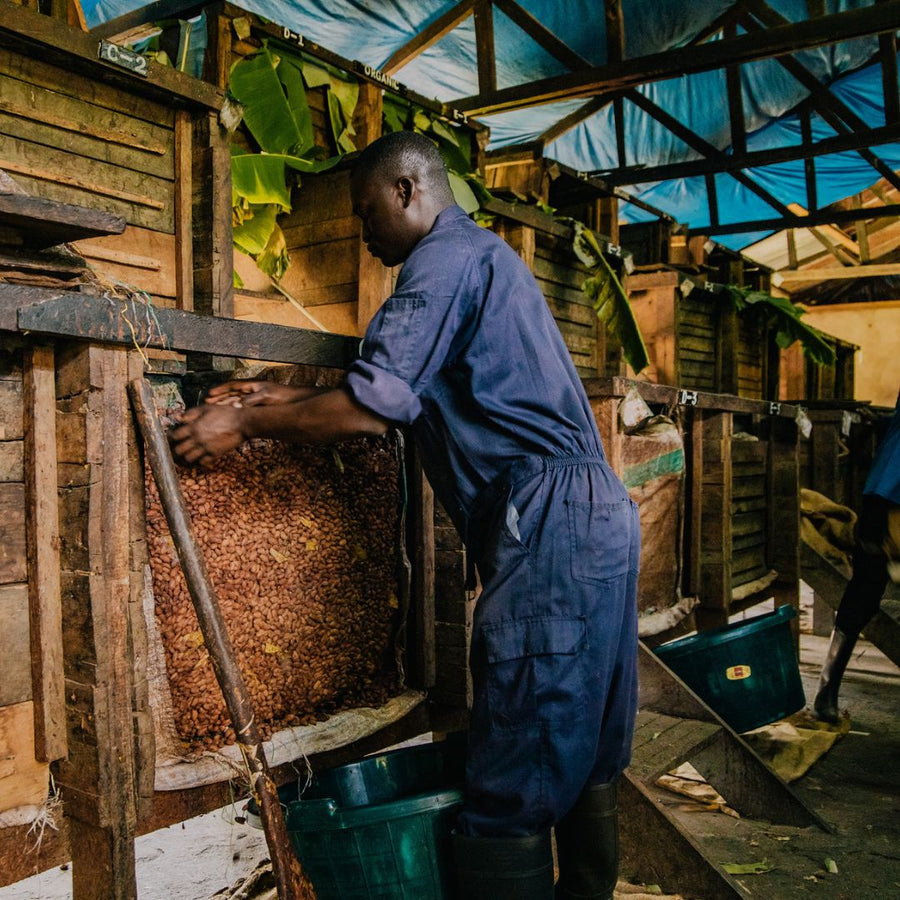
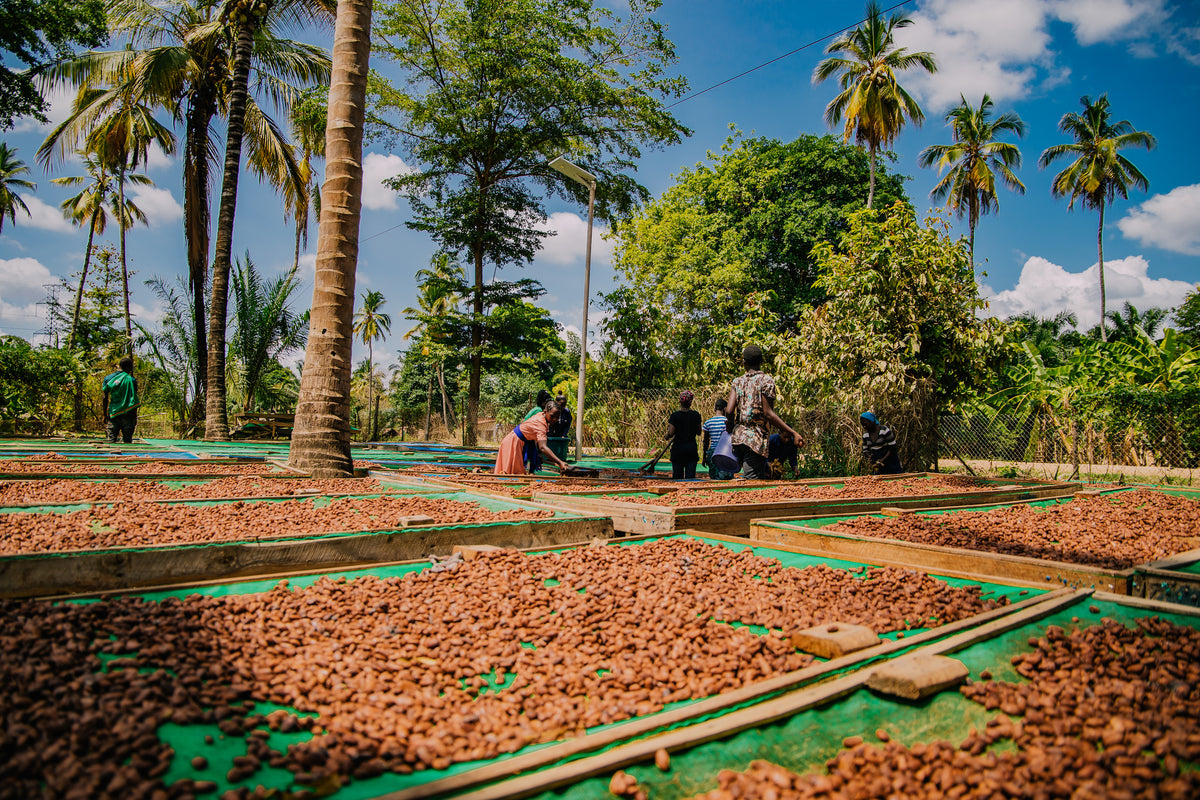
In der Fermentierungsanlage erfolgt die sorgfältige Verarbeitung der Bohnen in traditionellen Kisten. Über 6 Tage Fermentation und langsame Trocknung in der Sonne entfaltet der Kakao sein einzigartiges Geschmacksprofil: zart und ausgewogen, mit Noten von Orange und Toffee. Ein Projekt, das Kleinbauern stärkt, die Umwelt schützt und zeigt, wie viel Potenzial in afrikanischem Kakao steckt.
Ein Kakao, der Wandel schafft …
Film zum Ursprung ansehen ↗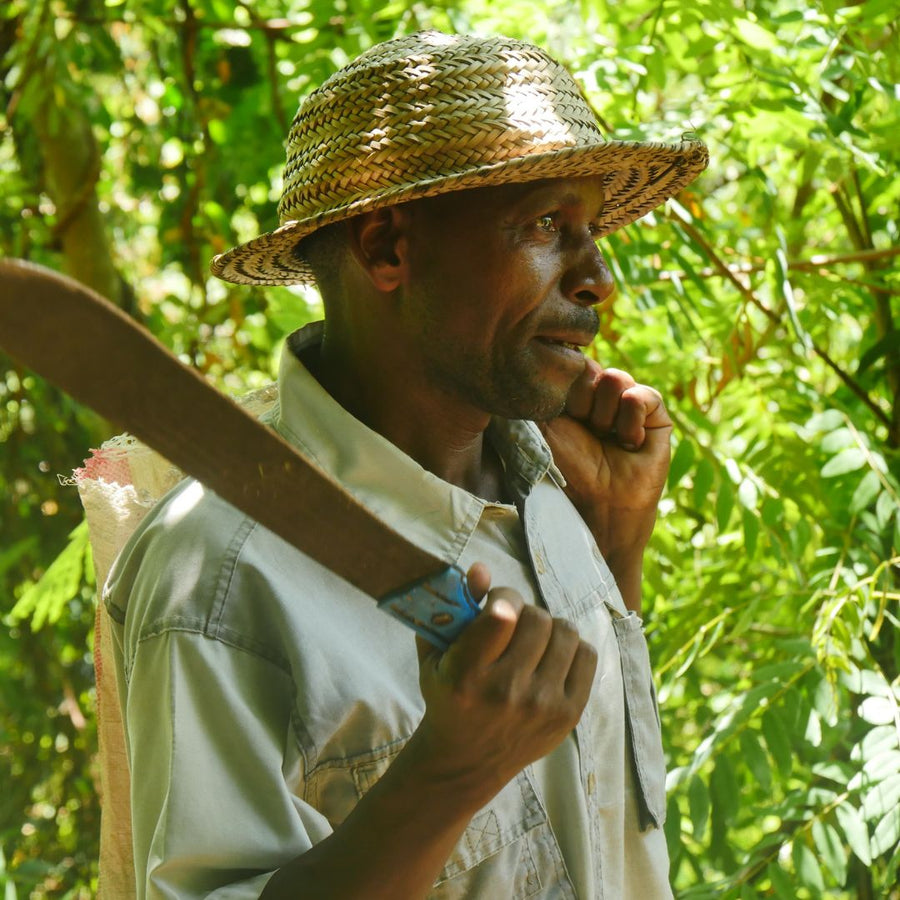
Udzungwa – Ein Wandel für Tansanias Kakaokultur
Der Udzungwa-Kakao wird von Kleinbauern im fruchtbaren Kilombero-Tal in Tansania angebaut – einem Gebiet, das einst für Massenkakao stand und nun zeigt, wie nachhaltige Wertschöpfung in Afrika gelingt. Dank des Kokoa Kamili Projekts erhalten die Bauern faire Preise für ihre frisch geernteten Bohnen und die Möglichkeit, ihre Lebensgrundlage zu verbessern.
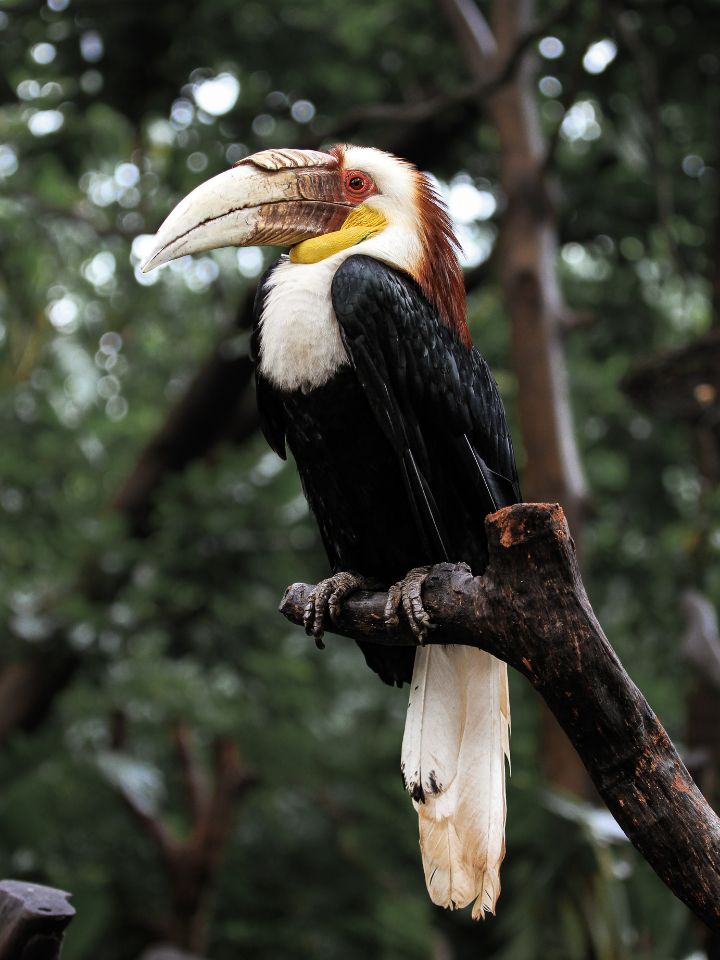
Mit dem Kauf unseres Udzungwa 100% Kakao Drops unterstützt du nicht nur die Bauern vor Ort, sondern trägst dazu bei, die Regenwälder Tansanias zu schützen und den Anbau von hochwertigem Kakao zu fördern. Die Kakaobäume wachsen in biodiversen Agroforstsystemen, die Lebensraum für Vögel und andere Tiere bieten und die Natur nachhaltig bewahren.
More than just organic.
Bio-Zertifizierungen sind sehr hilfreich, aber sie zeichnen ein sehr vereinfachtes Bild. Gesunde Ökosysteme sind viel mehr als nur das "Bio"-Siegel des einen Produktes. Ein Biosiegel sagt am Ende wenig über die Gesundheit der Böden, die Biodiversität und die Lebensqualität der Bäuerinnen und Bauern aus. Deswegen lohnt es sich, genauer hinzuschauen. Nur der Mischwaldanbau ist eine wirklich nachhaltige Agrarwirtschaft für alle Lebewesen.
Agroforests protect biodiversity in the rainforest
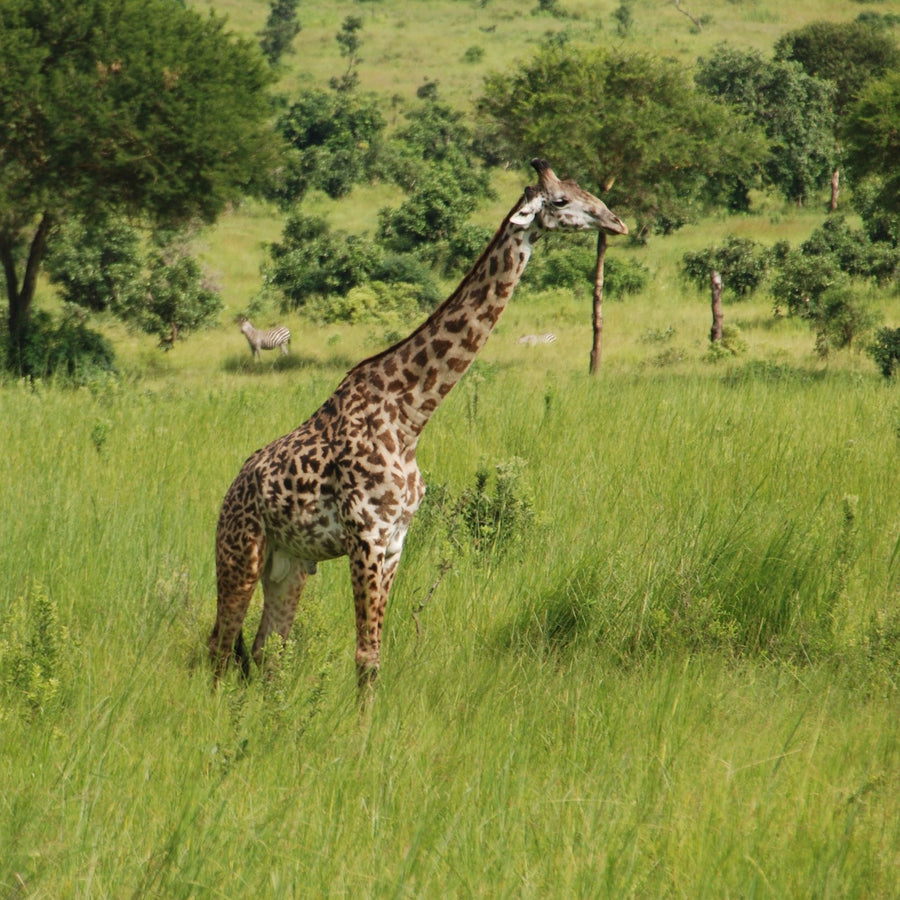
Die Maya Mountain Research Farm, ein Pilot-Projekt für die Erforschung von Permakultur in Belize, hat über 150 verschiedene Vogelarten in ihrem Mischwald gezählt. In herkömmlichen Monokulturen finden nicht ansatzweise so viele Tierarten Schutz. Mischwald-Systeme, auch Permakultur genannt, können überall auf der Welt genutzt werden. Die Permakultur-Bewegung findet bei Bauern rund um den Globus Anklang. Und das ist kaum verwunderlich. Die Permakultur erspart den Bäuerinnen und Bauern massiv Arbeit und lässt sie Jahrzehnte in die Zukunft planen.
Agroforests secure farmers' income
Stell dir vor, du bist eine Kakaobäuerin und hast eine Monokultur für Kakaobohnen. Sie sind somit alles, was du verkaufen kannst. Immerhin einige Tonnen Kakaobohnen pro Jahr. Jetzt stell dir aber vor, der Weltmarktpreis für Kakao, der an der Börse gehandelt wird, stürzt ab. Auf einmal hast du dieses Jahr unterm Strich vielleicht Geld verloren statt welches zu verdienen. Du musst dir einen Kredit aufnehmen, um weiter wirtschaften zu können.
Oder schlimmer noch: Stell dir vor, deine Kakaobäume werden krank. Auf einmal kannst du nur noch 50% deiner Ernte einfahren, hast aber sogar mehr Kosten wegen Pestiziden (bei Kakao, der nicht Bio ist). Du stehst vor dem Bankrott.
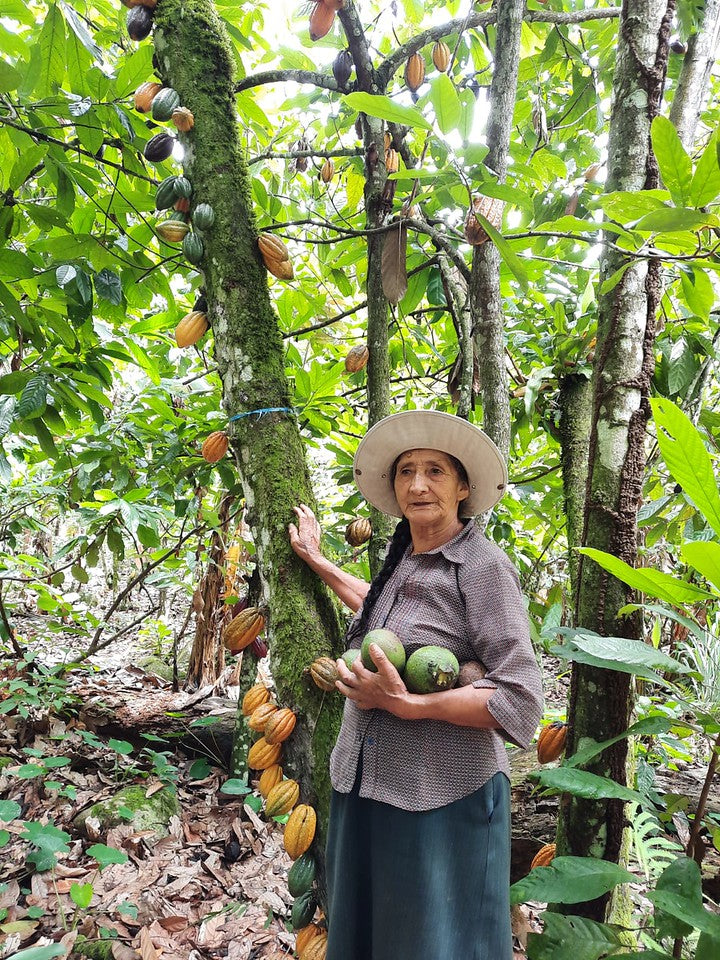
Wenn du hingegen eine Mischwald-Farm bewirtschaftest, kannst du noch deine Vanille verkaufen, oder deine Bananen, oder deinen Kaffee, oder deine Muskatnüsse...Du verstehst schon: Den Möglichkeiten sind (fast) keine Grenzen gesetzt. Für welches System würdest du dich also entscheiden - Monokultur oder Mischwald?
Logisch, denn nur Mischwälder schaffen ein nachhaltiges Wirtschaftsklima für die Produzenten von tropischen Exportgütern.
How agroforests keep soils healthy
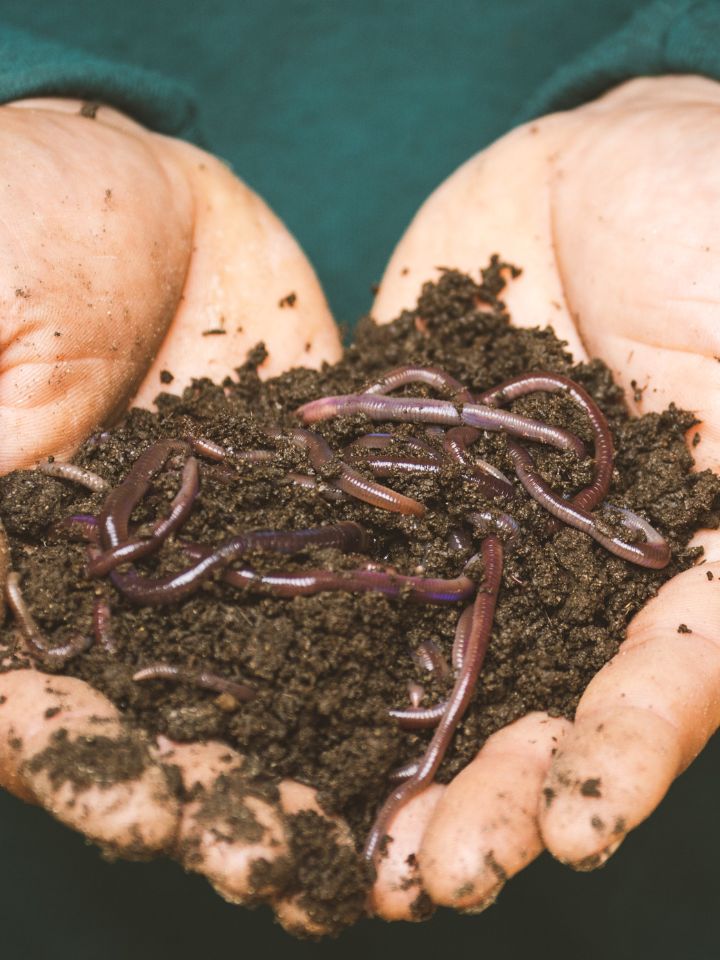
Böden sind sensible Ökosysteme, die über zehntausende von Jahren entstanden sind. Sie sind voller Nährstoffe. Wenn auf einem Bodensystem nur eine einzige Pflanzenart angebaut wird, dann werden nur bestimmte Nährstoffe dem Boden entzogen. Wenn das geschieht, müssen die fehlenden Nährstoffe künstlich als Dünger zugeführt werden.
In der Natur gibt es aber natürlich keine künstlich hergestellten Dünger-Nitrate. Die Natur hat ein ausgeklügeltes Ökosystem entwickelt, in dem eine Pflanzenart der anderen Pflanzenart genau die Nährstoffe zur Verfügung stellt, die sie zum Überleben braucht. Genau diese Symbiosen versucht man, im Mischwald-Anbau zu nutzen.
Agroforests can create higher income and more stable food security for farmers
Das Forschungsinstitut für biologischen Landbau (FiBL) hat in einer Langzeitstudie über 20 Jahre lang Mischwald-Systeme mit herkömmlichen Monokulturen verglichen. Was sie herausfanden? Die biologisch bewirtschafteten Mischwälder erzielen im Vergleich zwar den geringsten Ertrag an Kakao pro Hektar - insgesamt können die Bauern damit allerdings ein höheres Einkommen und eine stabilere Einkommenssicherung erreichen. Sie sind weniger abhängig von internationalen Preisschwankungen oder Ernteausfällen, da sie viele verschiedene Produkte anbauen. Die Studie findest du hier.


