

Kakao-Ursprünge · Kolumbien
So wächst Arhuaco.
In der Sierra Nevada de Santa Marta bringen die Arhuaco Kakao zurück in ihre angestammten Gebiete. Eine Geschichte von Rückkehr und Verbundenheit.
Arhuaco entdecken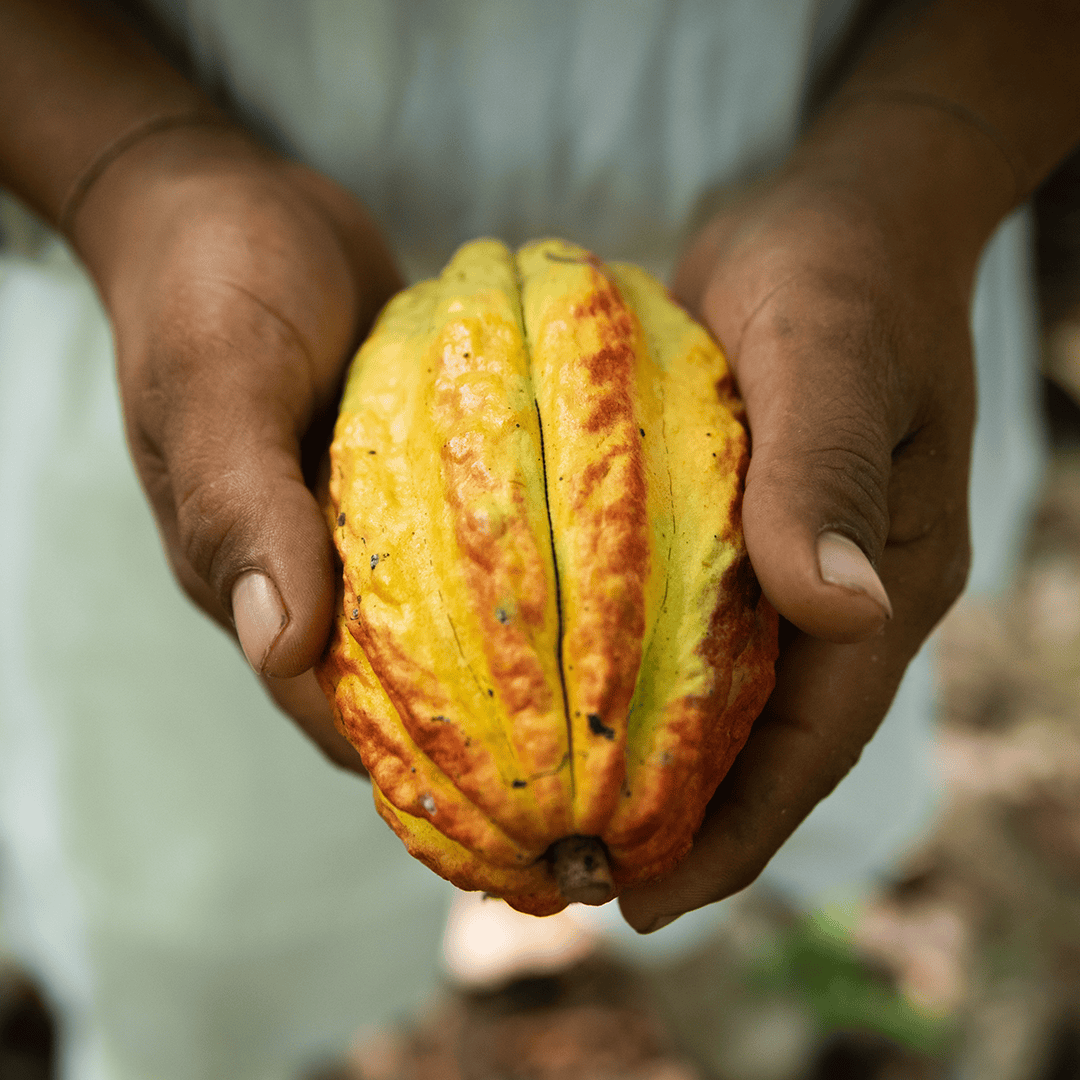
Auf dieser Seite
From the far north of Colombia
Film zum Ursprung ansehen ↗"Arhuaco" Kakao: Der wiedergeborene Kakao
Im äußersten Norden Kolumbiens, wo die schneebedeckten Gipfel der Sierra Nevada de Santa Marta in den Himmel ragen und sich Flüsse durch dichten Dschungel schlängeln, bis sie in das Karibische Meer zu münden, liegt eine der heiligsten und ökologisch reichsten Regionen der Erde.
Dies ist die angestammte Heimat des Volkes der Arhuaco, das in seiner eigenen Sprache als Iku bekannt ist. Für sie ist dieses Land mehr als nur ein geografisches Gebiet - es ist das Corazón del Mundo, das Herz der Welt. Und aus diesem heiligen Boden kommt nach Jahrhunderten der Vertreibung und des Kampfes ein Kakao, der Rückkehr, Widerstandsfähigkeit und Erneuerung verkörpert.
Die Rückgewinnung eines verlorenen Erbes
Mit der Ankunft der Kolonialmächte zogen sich die Arhuaco in die abgelegenen Bergwälder zurück und verloren dabei viele ihrer traditionellen Pflanzen – auch den Kakao, der einst eine zentrale spirituelle und kulturelle Rolle spielte. Heute kehren sie in ihre angestammten Gebiete zurück und kultivieren Kakao erneut – nicht als Ware, sondern als heiliges Gut.
Der Anbau erfolgt in biodiversen Agroforstsystemen, die natürliche Ökosysteme nachbilden und zugleich Böden, Wasser und Klima regenerieren. Für die Arhuaco ist Kakao ein Mittel der Heilung – für die Erde und für die spirituelle Ordnung der Welt. Jeder Schritt, vom Setzling bis zur Ernte, ist von ritueller Bedeutung. Der Kakao, der so wächst, ist nicht nur biologisch – er ist zeremoniell.
Für Moruga ist dieser Ursprung keine Handelsware, sondern eine heilige Partnerschaft. Es ist ein Privileg, mit den Arhuaco zu arbeiten, die den Kakao in ihr Land und ihr Leben zurückbringen. Mit jeder Bohne ehren wir ihre Geschichte. Wir ehren ein Volk, das seine Berge beschützt hat, das sein Tiefland zurückerobert hat, das sich gegen die chemische Kriegsführung gewehrt hat und das nun für eine Zukunft sorgt, die auf Gleichgewicht beruht.
Dieser Kakao ist der wiedergeborene Kakao. Er wird in einer der heiligsten Landschaften Amerikas angebaut, von einem Volk, das sich nicht als Bauern, sondern als Hüter des Herzens der Welt sieht. Mit jedem Kakao Drop, den wir herstellen, tragen wir diese Geschichte weiter - nicht nur, um den Geschmack zu feiern, sondern auch, um die Weisheit, den Mut und die Rückkehr von etwas zu teilen, das nie wirklich verloren war.
More than just organic.
Bio-Zertifizierungen sind sehr hilfreich, aber sie zeichnen ein sehr vereinfachtes Bild. Gesunde Ökosysteme sind viel mehr als nur das "Bio"-Siegel des einen Produktes. Ein Biosiegel sagt am Ende wenig über die Gesundheit der Böden, die Biodiversität und die Lebensqualität der Bäuerinnen und Bauern aus. Deswegen lohnt es sich, genauer hinzuschauen. Nur der Mischwaldanbau ist eine wirklich nachhaltige Agrarwirtschaft für alle Lebewesen.


Agroforests protect biodiversity in the rainforest
Die Maya Mountain Research Farm, ein Pilot-Projekt für die Erforschung von Permakultur in Belize, hat über 150 verschiedene Vogelarten in ihrem Mischwald gezählt. In herkömmlichen Monokulturen finden nicht ansatzweise so viele Tierarten Schutz. Mischwald-Systeme, auch Permakultur genannt, können überall auf der Welt genutzt werden. Die Permakultur-Bewegung findet bei Bauern rund um den Globus Anklang. Und das ist kaum verwunderlich. Die Permakultur erspart den Bäuerinnen und Bauern massiv Arbeit und lässt sie Jahrzehnte in die Zukunft planen.
Agroforests secure farmers' income
Stell dir vor, du bist eine Kakaobäuerin und hast eine Monokultur für Kakaobohnen. Sie sind somit alles, was du verkaufen kannst. Immerhin einige Tonnen Kakaobohnen pro Jahr. Jetzt stell dir aber vor, der Weltmarktpreis für Kakao, der an der Börse gehandelt wird, stürzt ab. Auf einmal hast du dieses Jahr unterm Strich vielleicht Geld verloren statt welches zu verdienen. Du musst dir einen Kredit aufnehmen, um weiter wirtschaften zu können.
Oder schlimmer noch: Stell dir vor, deine Kakaobäume werden krank. Auf einmal kannst du nur noch 50% deiner Ernte einfahren, hast aber sogar mehr Kosten wegen Pestiziden (bei Kakao, der nicht Bio ist). Du stehst vor dem Bankrott.
Wenn du hingegen eine Mischwald-Farm bewirtschaftest, kannst du noch deine Vanille verkaufen, oder deine Bananen, oder deinen Kaffee, oder deine Muskatnüsse...Du verstehst schon: Den Möglichkeiten sind (fast) keine Grenzen gesetzt. Für welches System würdest du dich also entscheiden - Monokultur oder Mischwald?
Logisch, denn nur Mischwälder schaffen ein nachhaltiges Wirtschaftsklima für die Produzenten von tropischen Exportgütern.


How agroforests keep soils healthy
Böden sind sensible Ökosysteme, die über zehntausende von Jahren entstanden sind. Sie sind voller Nährstoffe. Wenn auf einem Bodensystem nur eine einzige Pflanzenart angebaut wird, dann werden nur bestimmte Nährstoffe dem Boden entzogen. Wenn das geschieht, müssen die fehlenden Nährstoffe künstlich als Dünger zugeführt werden.
In der Natur gibt es aber natürlich keine künstlich hergestellten Dünger-Nitrate. Die Natur hat ein ausgeklügeltes Ökosystem entwickelt, in dem eine Pflanzenart der anderen Pflanzenart genau die Nährstoffe zur Verfügung stellt, die sie zum Überleben braucht. Genau diese Symbiosen versucht man, im Mischwald-Anbau zu nutzen.
Agroforests can create higher income and more stable food security for farmers
Das Forschungsinstitut für biologischen Landbau (FiBL) hat in einer Langzeitstudie über 20 Jahre lang Mischwald-Systeme mit herkömmlichen Monokulturen verglichen. Was sie herausfanden? Die biologisch bewirtschafteten Mischwälder erzielen im Vergleich zwar den geringsten Ertrag an Kakao pro Hektar - insgesamt können die Bauern damit allerdings ein höheres Einkommen und eine stabilere Einkommenssicherung erreichen. Sie sind weniger abhängig von internationalen Preisschwankungen oder Ernteausfällen, da sie viele verschiedene Produkte anbauen. Die Studie findest du hier.


