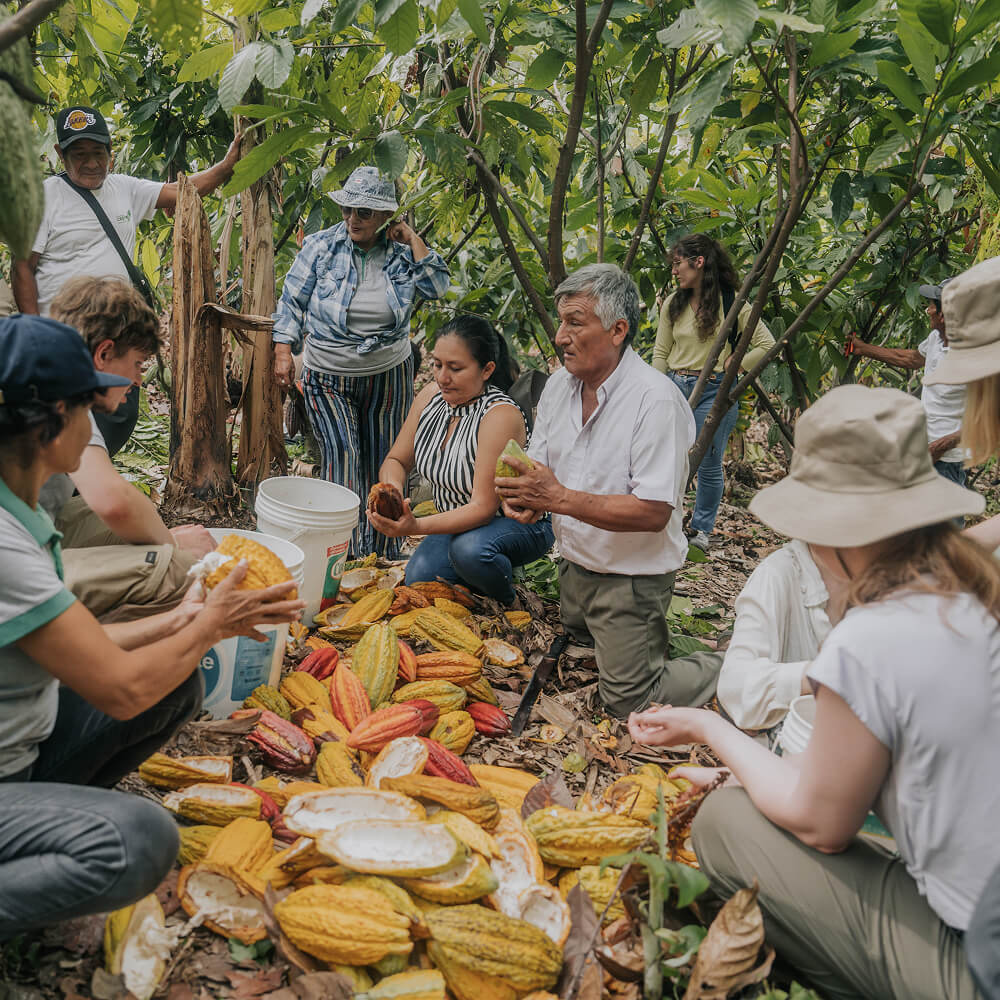




Raw cacao sounds pure, but the word is often less precise than it looks. For someone buying 100% cacao, the better question is not whether cacao is marketed as raw. It is whether the cacao is well fermented, carefully dried, roasted with intention, ground cleanly and transparent enough to trust.
What does raw cacao mean?
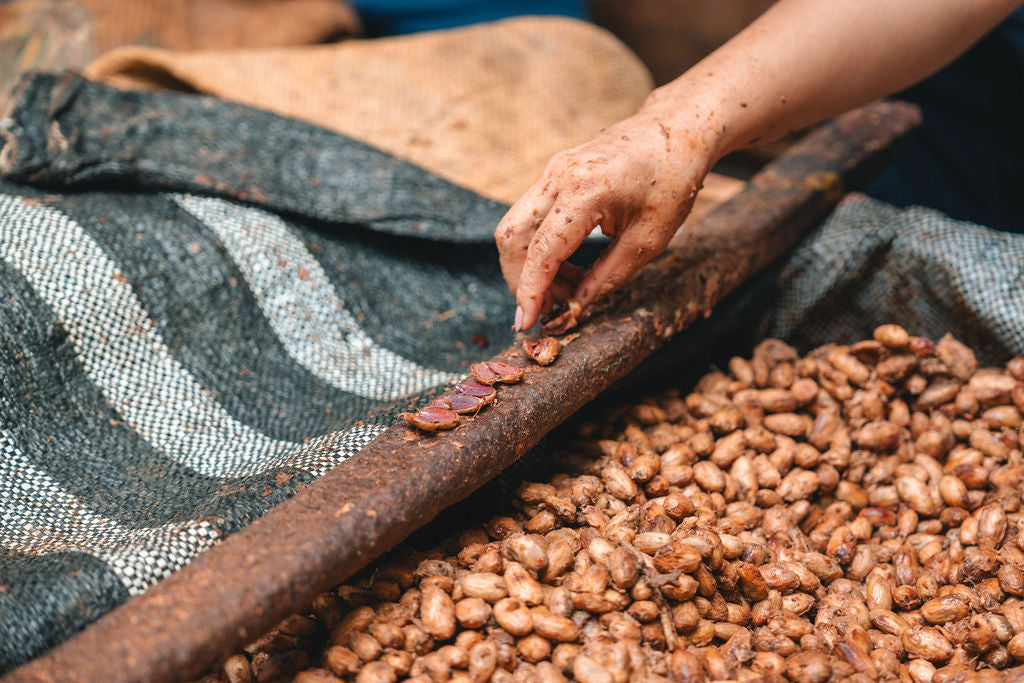
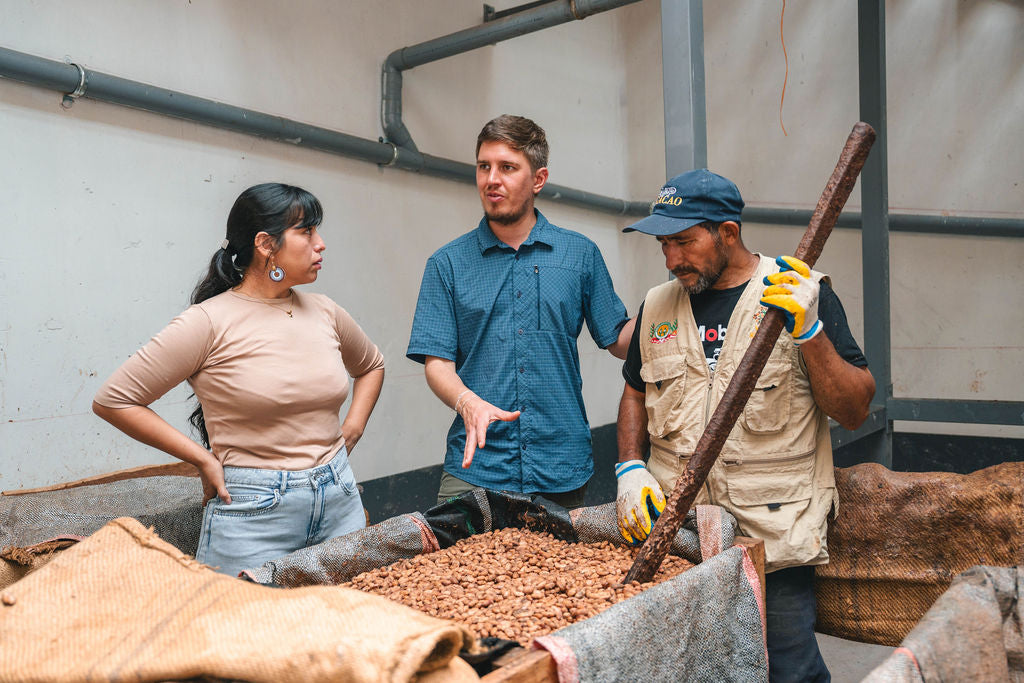
Raw cacao usually means cacao that has not been roasted at high temperatures. In practice, the term is not always clear. Cacao is fermented and dried after harvest, and both steps already change flavor, chemistry and texture.
Why roasting matters
Roasting develops aroma. Like coffee or nuts, cacao can become rounder, more aromatic and easier to drink when it is processed carefully. Too much heat can flatten a cacao, but a thoughtful roast can bring out fruit, nutty notes, warmth and a creamier drinking experience.
Raw is not automatically better
Raw can be interesting, but it is not a quality guarantee. A poorly fermented raw cacao can taste harsh or flat. A well fermented and carefully roasted cacao can be more balanced and more enjoyable as a daily 100% cacao drink.
What to check instead
- 100% cacao, no sugar or filler
- clear origin and processing information
- good flavor without needing sugar
- lab transparency for heavy metals and quality markers
- a texture that becomes creamy when prepared well
For current quality signals, see Moruga lab tests. For buying criteria, read the raw cacao buying guide and how to buy 100% cacao.
How Moruga thinks about it
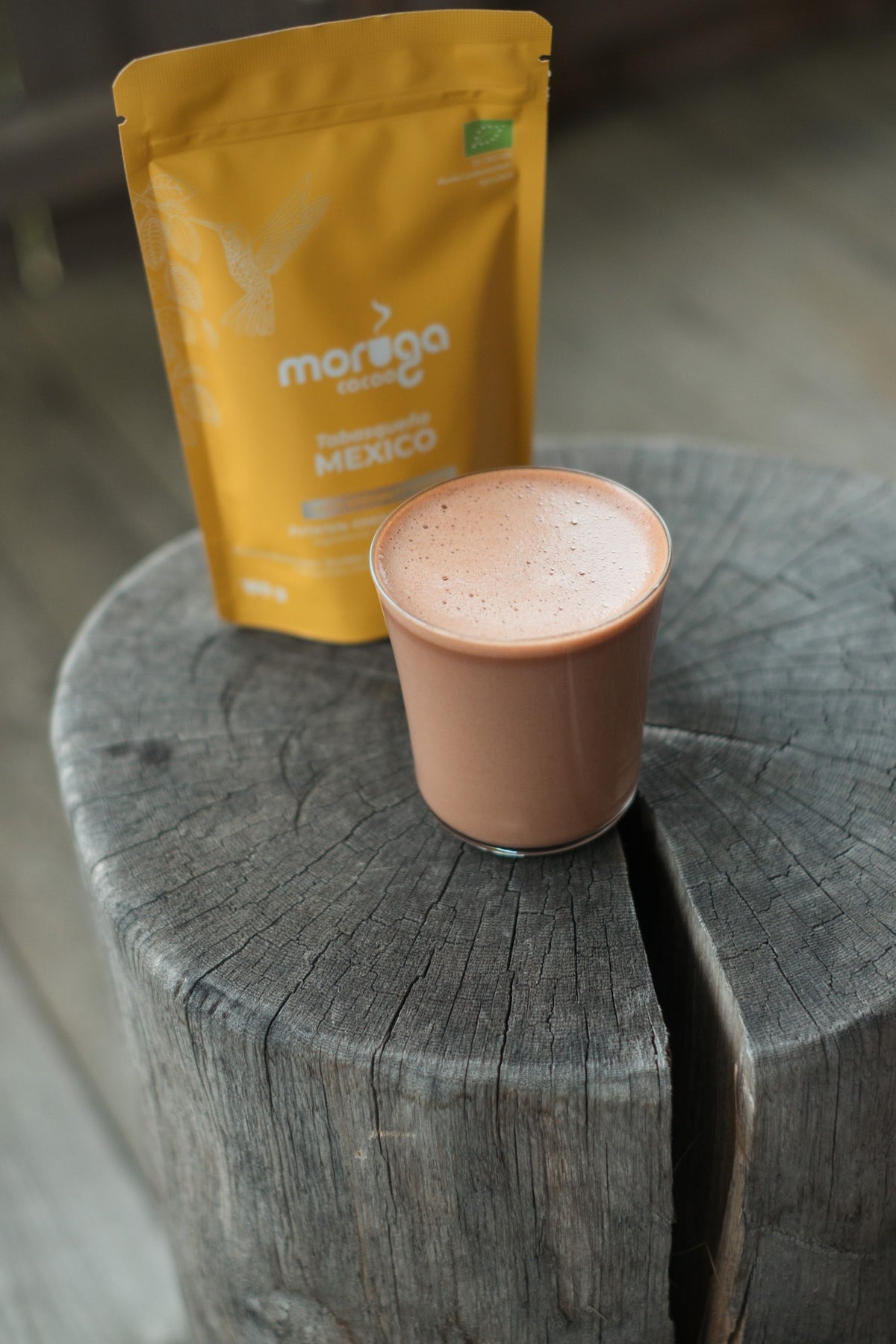
Moruga focuses on 100% cacao that works in the cup: aromatic, intense, creamy and transparent. The point is not to win a raw-versus-roasted argument. The point is to choose cacao that tastes good, is made carefully and fits your routine.
Compare current Moruga cacao varieties or start with the Starter Kit.