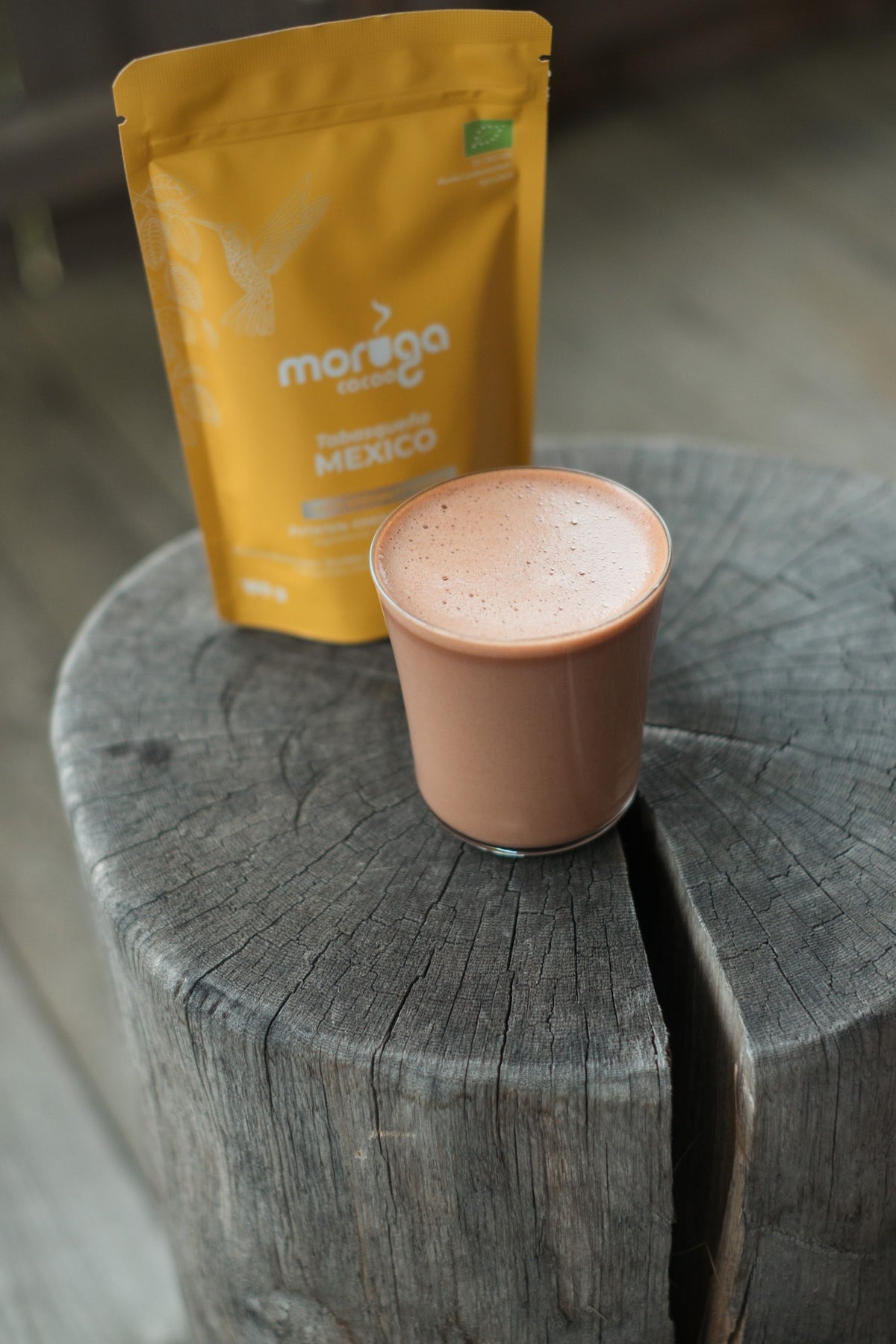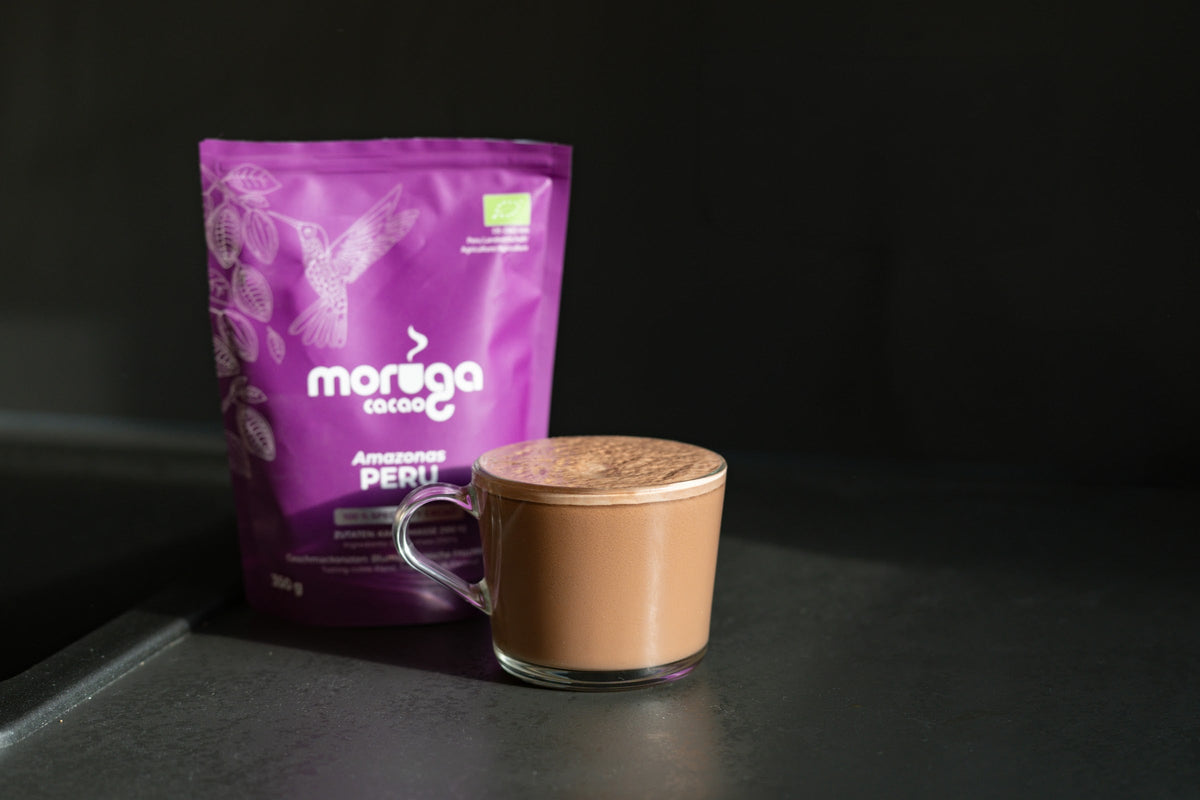




Cacao instead of coffee in the morning? For me, that started as an experiment and slowly became a real routine. Coffee used to be my fast button for energy. Cacao became a warmer, slower start: aromatic, creamy, focused, but less sharp than another espresso.
This article is not a promise that cacao replaces coffee for everyone. It is a practical look at why cacao as a coffee alternative can make sense for some people, and what to check if you want to drink 100% cacao in the morning.

The things I stick my nose into.
Coffee was my morning autopilot
I started drinking coffee relatively late, but then quite consistently. University, startup offices, travel, long days: coffee was energy, ritual and social glue at the same time. At some point, though, it was less about enjoyment and more about needing the next cup so the day would work.
The problem was not coffee itself. Good coffee is wonderful. The problem was the amount and the rhythm. The more I used coffee as a tool, the less it felt like a conscious pleasure.
Why cacao feels different from coffee
100% cacao naturally contains much less caffeine than coffee, but more theobromine. Theobromine is related to caffeine, but many people experience it as rounder and less abrupt. Your own response depends on variety, amount, preparation, food, sleep and sensitivity.
If you want the deeper comparison, read cacao instead of coffee: theobromine and focus. For the broader coffee-alternative overview, read coffee alternative cacao. If you are wondering about caffeine specifically, see is cacao caffeine-free?.

What to check if you want morning cacao
If cacao should become part of your morning routine, quality matters. Sweet instant cocoa is a different product from 100% cacao without sugar, flavoring or fillers. For a daily cup, I would check four things:
- 100% cacao: a short ingredient list, no added sugar, no flavoring.
- Good preparation: cacao should become creamy, not just bitter in water.
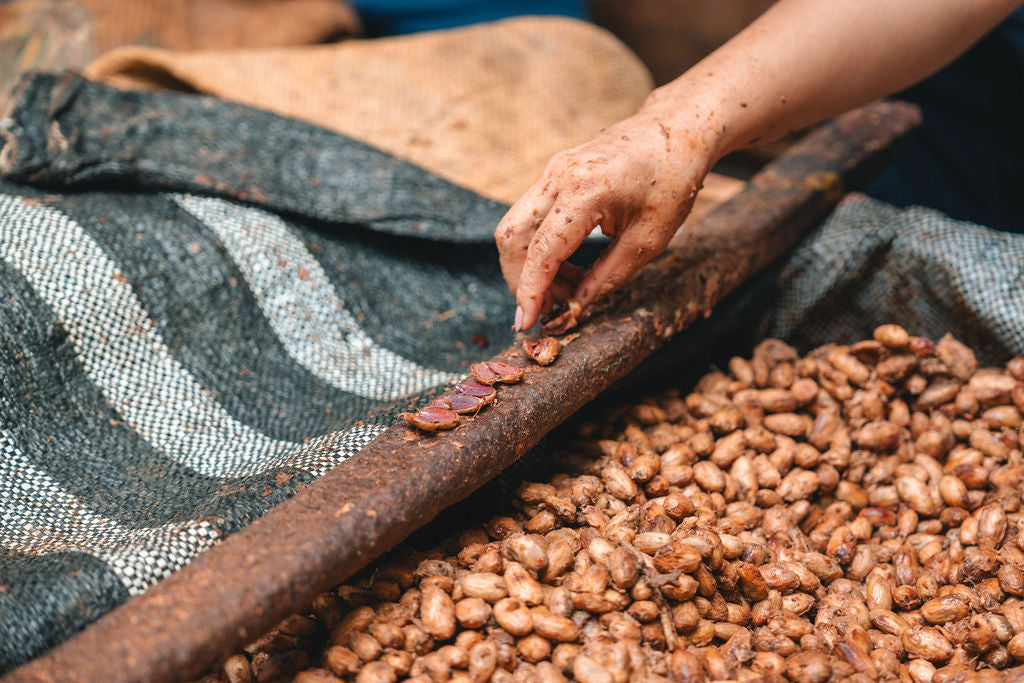
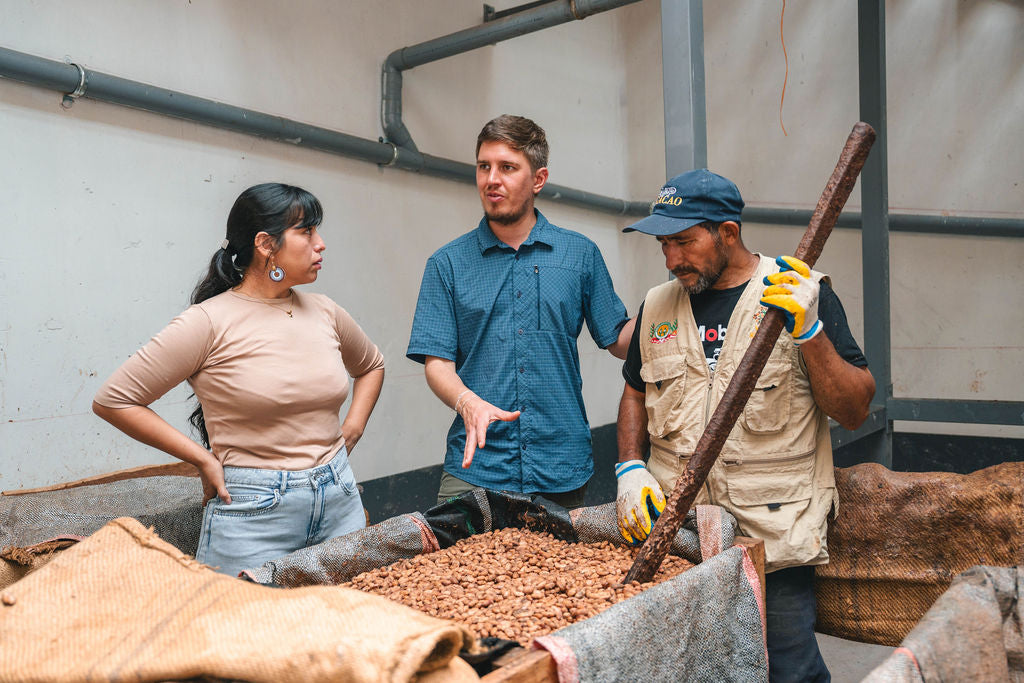
- Transparent origin: origin and processing should be understandable.
- Quality information: for cacao, transparent lab tests are an important trust signal.
If you do not know where to start, the Moruga Starter Kit is the easiest entry point. If you want to compare origins directly, start with Moruga cacao varieties.
My simple morning cacao ritual
My morning cacao is not complicated: heat water, let it cool slightly, add cacao, blend or shake well, then drink slowly. Sometimes pure, sometimes with a little plant drink, sometimes with spices. The point is not a perfect ceremony. The point is a morning drink that does not taste like hurry.
For the method, use how to prepare creamy 100% cacao. For buying criteria, read buy cacao: what to look for in 100% cacao.

Cacao, focus and realistic expectations
Cacao can feel warm, aromatic and gently stimulating, but it is still food, not a productivity supplement. I would avoid turning it into a miracle claim. What makes it useful is the combination of taste, ritual, theobromine, natural cacao butter and a preparation that slows you down a little.
If you want to understand the compounds people discuss, read phenylethylamine in cacao. If you want to reduce caffeine more intentionally, read reduce caffeine with cacao instead of coffee.
Is cacao a coffee replacement?
Not for everyone, and that is fine. I still enjoy coffee. But I use it differently. Cacao created a place in my routine where it is not only about waking up, but about flavor, warmth and a calmer start.
If you want to test it, compare a few origins, pay attention to preparation and listen to your body. For most new customers, the Starter Kit is the most useful first step because you can taste several profiles side by side.
Conclusion
Cacao vs. coffee is not a battle that one drink has to win. Coffee is sharp, fast and familiar. 100% cacao is warmer, creamier and more ritual-driven. If your mornings feel too wired, cacao can be a good alternative to test.
Next steps: compare current Moruga cacao varieties, try the Starter Kit, or read theobromine vs caffeine in cacao.