Flavanols are one of the reasons cacao is interesting beyond taste. They belong to the polyphenol family and occur naturally in cacao, tea, berries and some fruits. For cacao buyers, the useful question is not whether a product sounds like a superfood, but whether it is transparent, minimally formulated and tested where it matters.
This article explains flavanols in a practical way: what they are, why values vary, where lab tests help and how to choose 100% cacao without relying on exaggerated effect claims.
What are flavanols?
Flavanols are plant compounds within the broader group of polyphenols. In nutrition research, cacao flavanols are often studied in relation to vascular function, blood-flow parameters and cognitive measurements.
That context matters, but it needs a calm frame: cacao is a food, not medicine. Individual compounds can be interesting without turning a cup of cacao into a health promise.
Why flavanol content varies so much
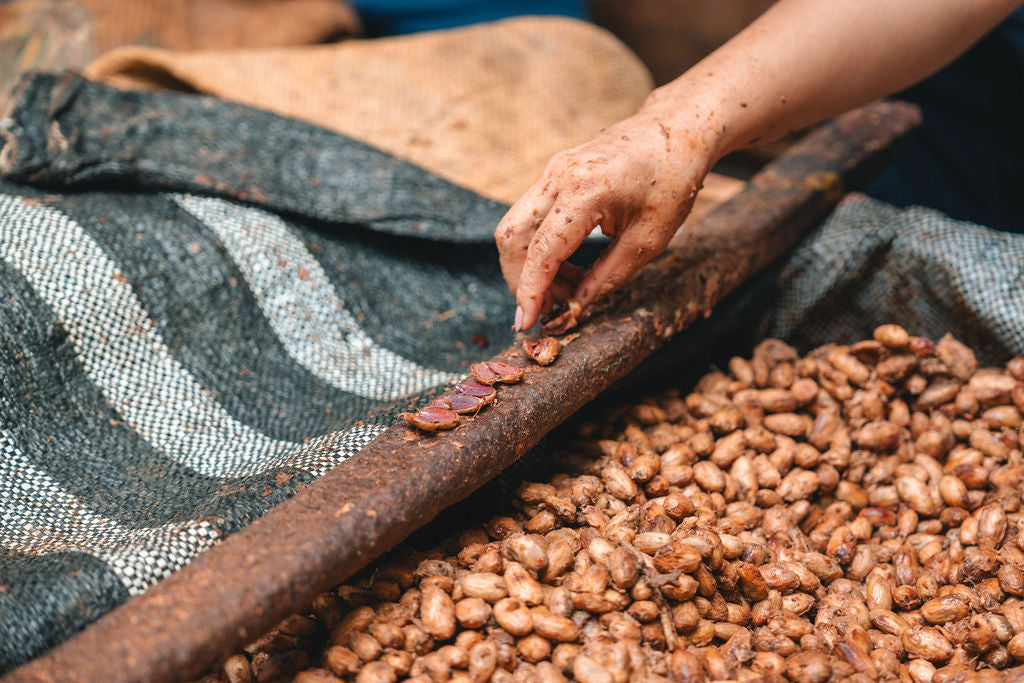
The flavanol and polyphenol content of cacao can vary widely. Origin, genetics, fermentation, roasting, alkalization, storage and processing all influence what remains in the final product.
Highly processed or alkalized cacao powders may have lower polyphenol levels. At the same time, raw-sounding language alone does not prove quality. This is why we prefer clear sourcing, simple ingredients and lab transparency over broad claims.
Moruga lab context
Moruga publishes current analytical documents on the Lab Tests page. That page is the best place for batch-related values, because cacao varieties, crops and availability can change over time.
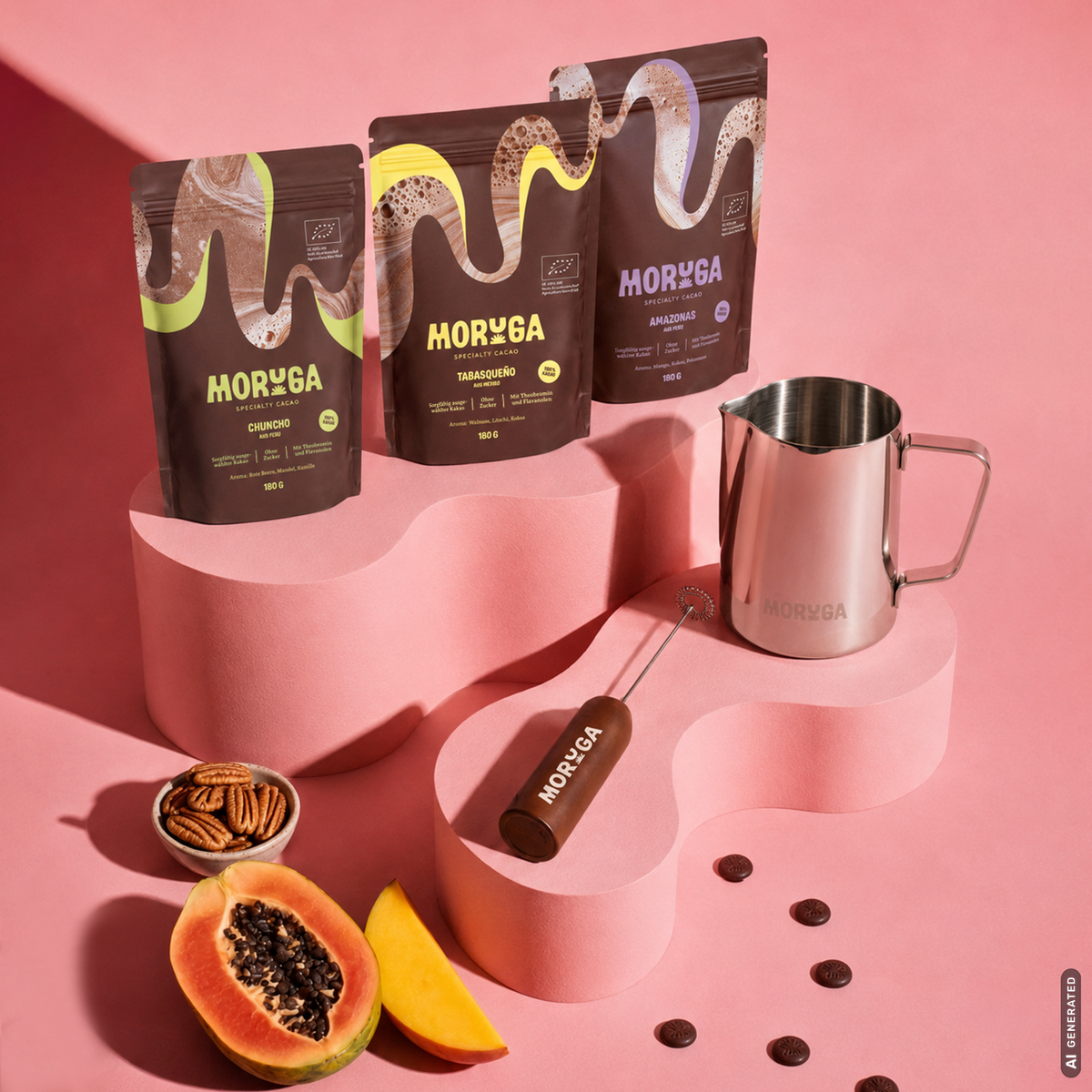
If you want to compare flavors and origins before choosing, use Cacao Varieties. If you are new to 100% cacao, the Moruga Starter Kit lets you compare several profiles without committing to one origin immediately.
How to read cacao values responsibly
Numbers such as polyphenols, theobromine and caffeine can help you understand a cacao better. They should not be read as a guarantee of a specific personal effect. Serving size, routine, sensitivity, sleep, coffee intake and the rest of your diet all influence how cacao feels.
That is why we avoid turning lab data into big promises. For most customers, the stronger buying criteria are simpler: 100% cacao, no added sugar, clear origin, good flavor and public lab information.
What to check when buying flavanol-rich cacao
- Ingredients: Choose 100% cacao without sugar, flavors or fillers.
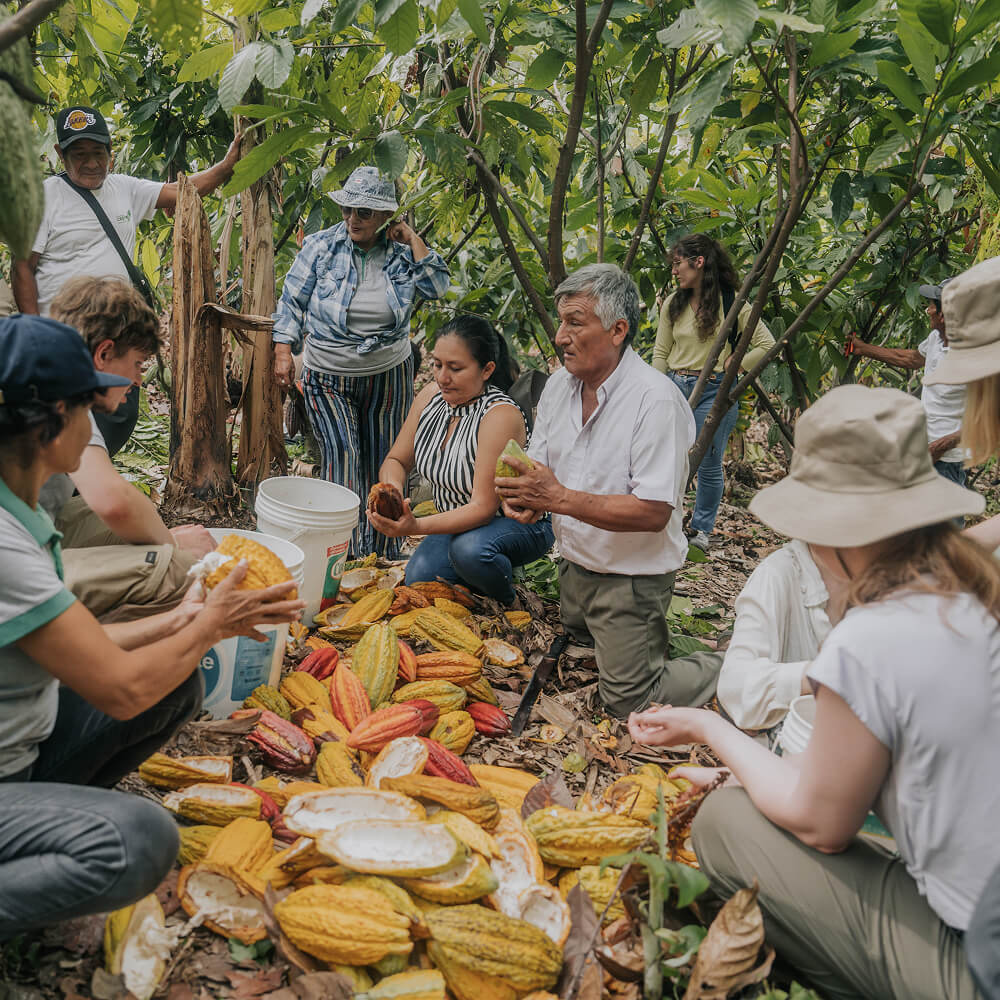
- Origin: Look for a clear origin story, not just a decorative claim.
- Processing: Fermentation, roasting and alkalization can affect polyphenols.
- Lab transparency: Prefer brands that show current analysis documents.
- Practical use: Choose a cacao you genuinely like drinking regularly.
For broader buying criteria, read the 100% Cacao Buying Guide. For ingredient simplicity, read Pure Cacao Without Sugar.
Flavanols, theobromine and caffeine
Flavanols are only one part of cacao. Theobromine and a small amount of caffeine also shape the drinking experience. If you are comparing cacao with coffee, start with Cacao Instead of Coffee.
If your focus is safety and contaminants such as cadmium or lead, read Heavy Metals in Cacao. A good cacao decision should consider both desirable compounds and contaminant testing.
Conclusion
Flavanols are a meaningful part of cacao, but they should be handled with precision, not hype. The best buying decision comes from a combination of simple ingredients, origin, flavor, lab transparency and a cacao routine that fits your life.
Sources and context
- Research literature on cacao flavanols, polyphenols and vascular-function parameters.
- Research literature on theobromine and caffeine in cacao products.
- Moruga lab analyses, accredited food-analysis laboratories.