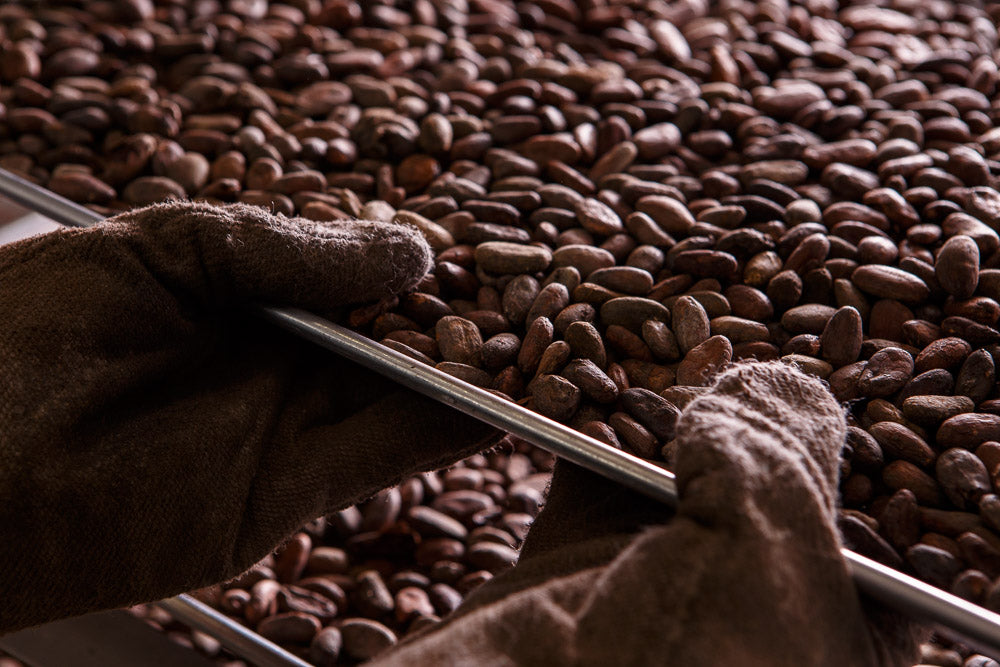
Cacao roasting is one of the processing steps you can taste directly in the cup. It can develop aroma, round out harsh notes and help fermented cacao beans become a more balanced 100% cacao drink.
The goal is not to roast everything as dark as possible. Too much heat can flatten origin character. Too little processing can leave cacao tasting raw, sharp or uneven. The useful question is not raw versus roasted. It is careful processing versus vague marketing.
Why cacao is roasted
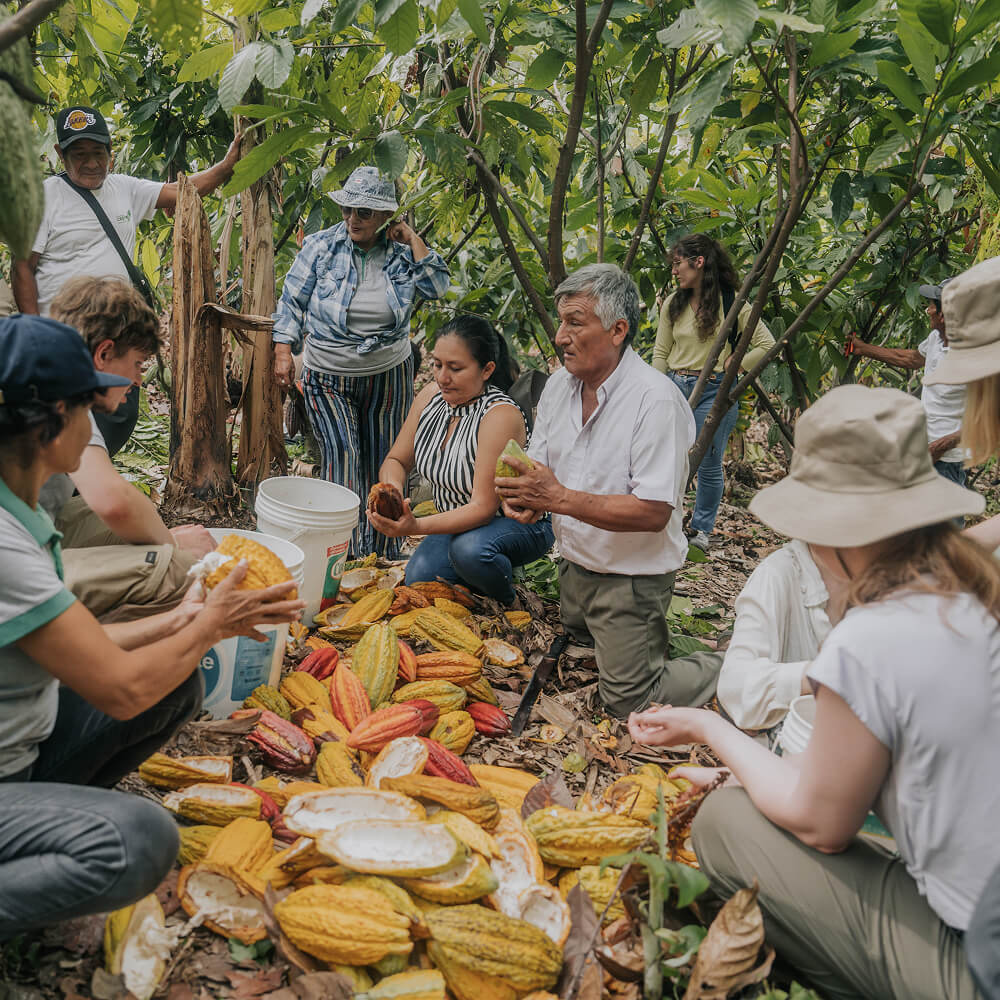
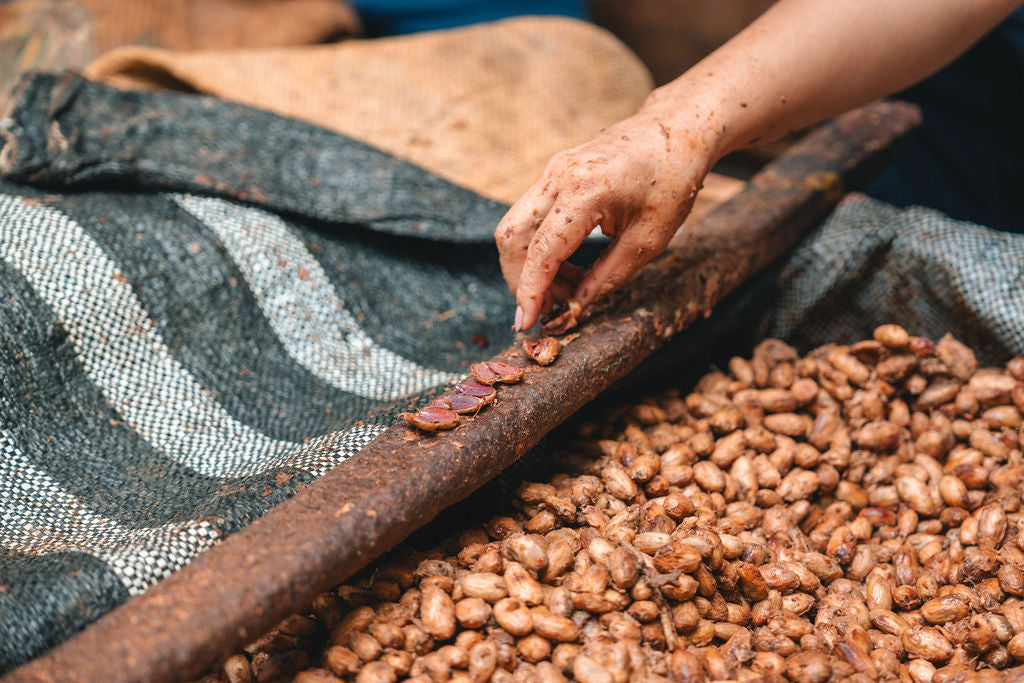
After harvest, fermentation and drying, cacao beans already contain many aroma precursors. Roasting helps develop them into the notes people describe as chocolatey, nutty, fruity, caramel-like or spicy.
Roasting can also reduce moisture and make later processing easier. It is part of a quality chain, not just a flavor trick.
Raw cacao is not automatically better
Raw cacao sounds natural, but the term is often imprecise. Cacao is fermented and dried before it ever becomes a drink. Those steps already change the bean deeply.
When you buy cacao, do not judge quality by the word raw alone. Look at ingredients, origin, fermentation, drying, roasting, taste and transparency. For context, read raw cacao vs. roasted cacao and the raw cacao buying guide.
What good roasting can do
- Aroma: roasting can make chocolatey, nutty and round notes clearer.
- Balance: it can reduce rough acidity or uneven bitterness.
- Texture: it influences how cacao grinds and how creamy it feels later.
- Consistency: it helps a producer understand each batch without hiding origin character.
What poor roasting can damage
Over-roasting can bury fine origin notes and leave cacao tasting simply dark, bitter or burnt. Under-developed processing can make cacao taste flat, sour or hard to drink. Good cacao processing is about matching the process to the bean.
Why this matters more with 100% cacao
In sweet chocolate or instant drinking chocolate, sugar, milk powder and flavoring can cover a lot. With 100% cacao, they cannot. You taste origin, fermentation, drying, roasting and grinding more directly.
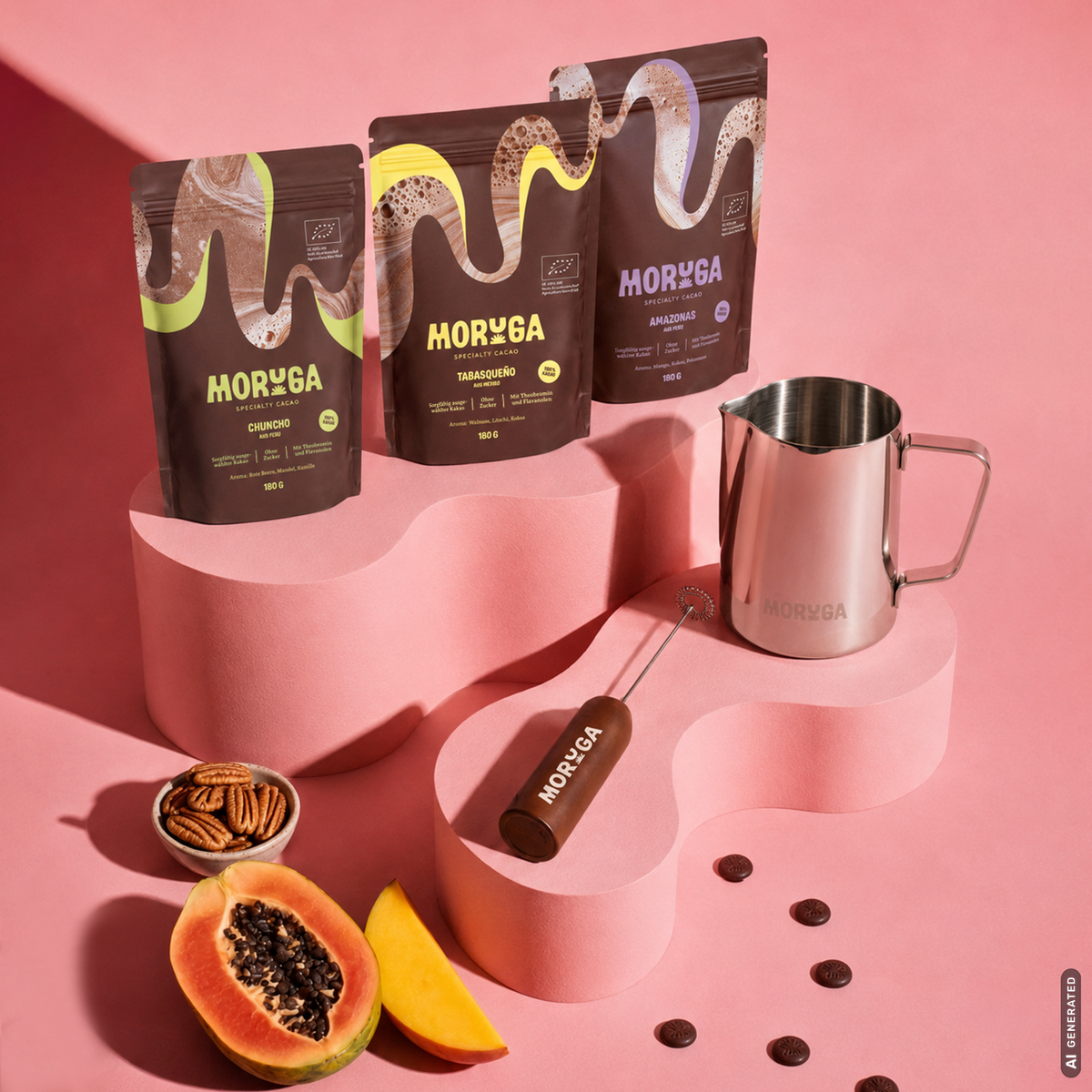
That is why Moruga focuses on cacao that works in the cup: aromatic, creamy, transparent and free from unnecessary additives.
What to check before buying
- 100% cacao without sugar, milk powder or flavoring
- clear origin and processing information
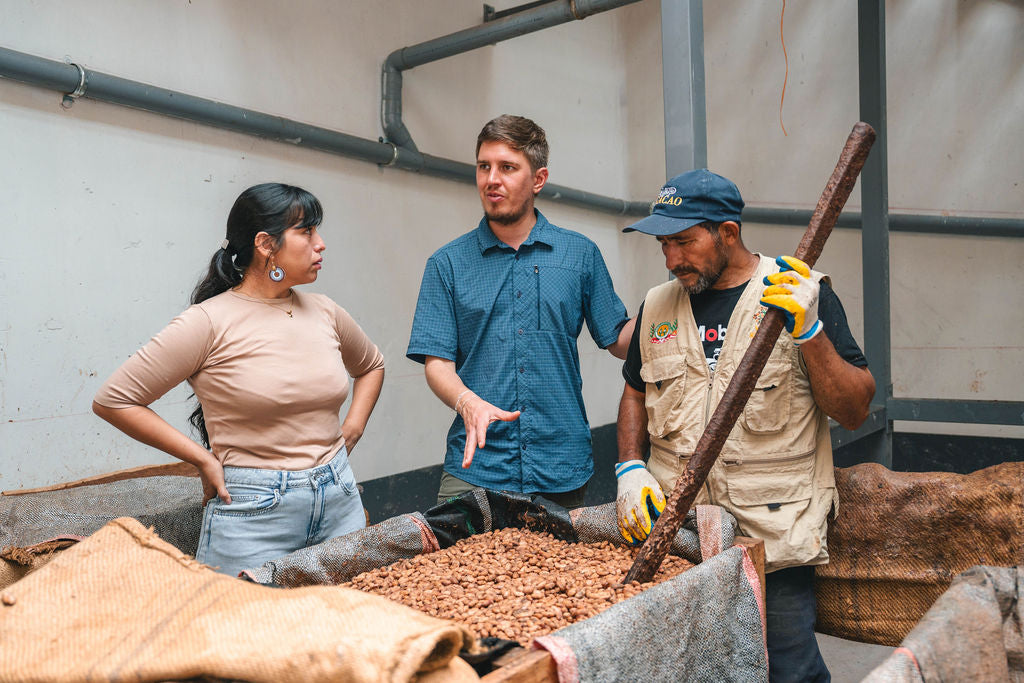
- transparent quality checks and lab tests
- good preparation as a drink
- flavor that works without sugar
For a broader decision, read how to buy 100% cacao. If you want to compare formats, read cocoa powder vs. ceremonial cacao.
Where to start with Moruga
The most stable way to compare current origins is Moruga cacao varieties. If you want to taste several profiles without choosing one blind, start with the Starter Kit.
Conclusion
Cacao roasting matters, but not as a dogma. Raw is not automatically better and roasted is not automatically worse. The real difference comes from careful growing, fermentation, drying, roasting, grinding and transparency.