Heavy metals in cacao are not a marketing detail. They are a quality question. Cadmium and lead can occur in cacao. The useful question is not whether a brand can make the topic sound harmless, but whether origin, processing and lab testing are handled transparently.
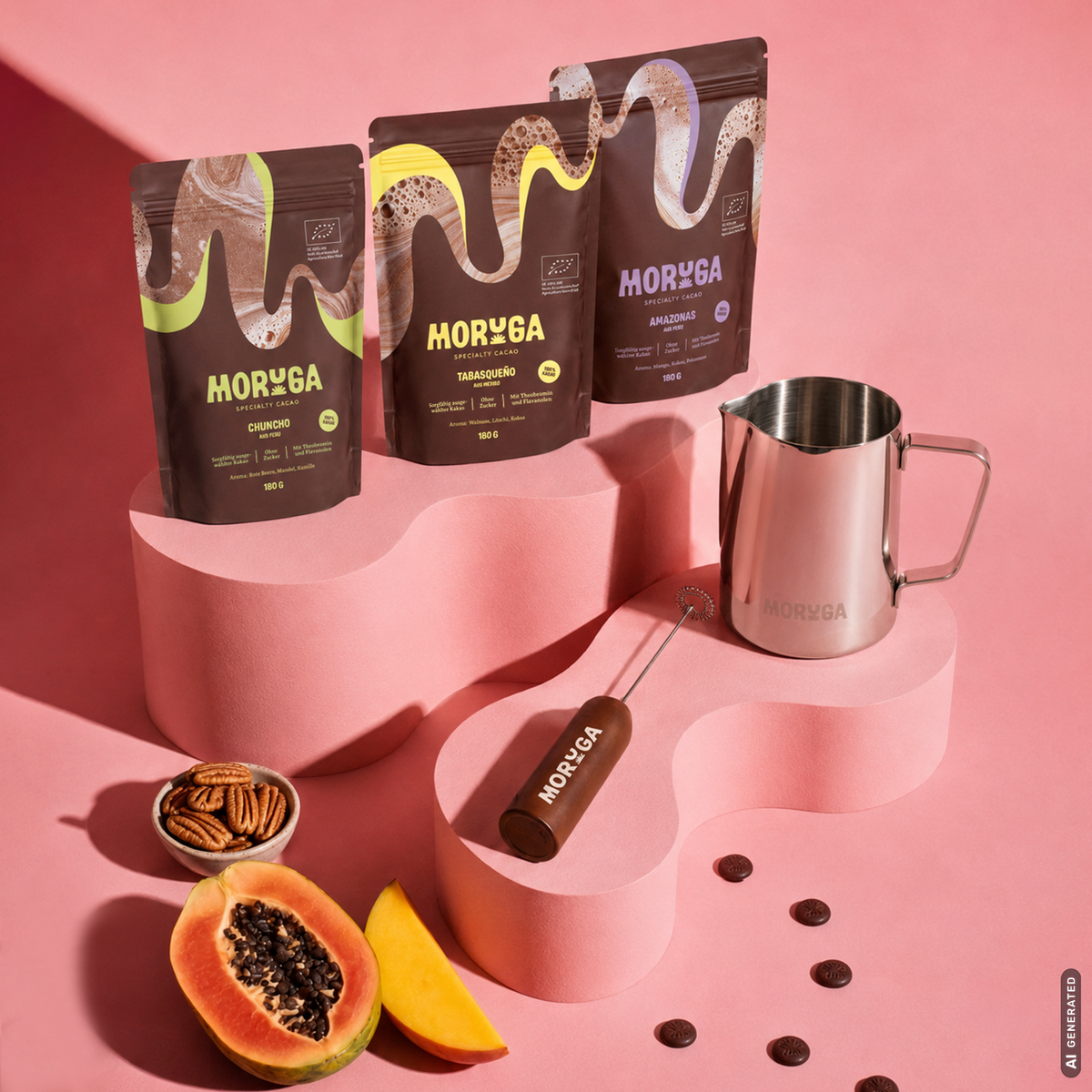
At Moruga, we keep our current certificates and test results on the Lab Tests page. If you want to compare the varieties we currently offer, start with Cacao Varieties. For tasting several origins side by side, the Moruga Starter Kit is usually the easiest entry point.
Where cadmium and lead in cacao come from
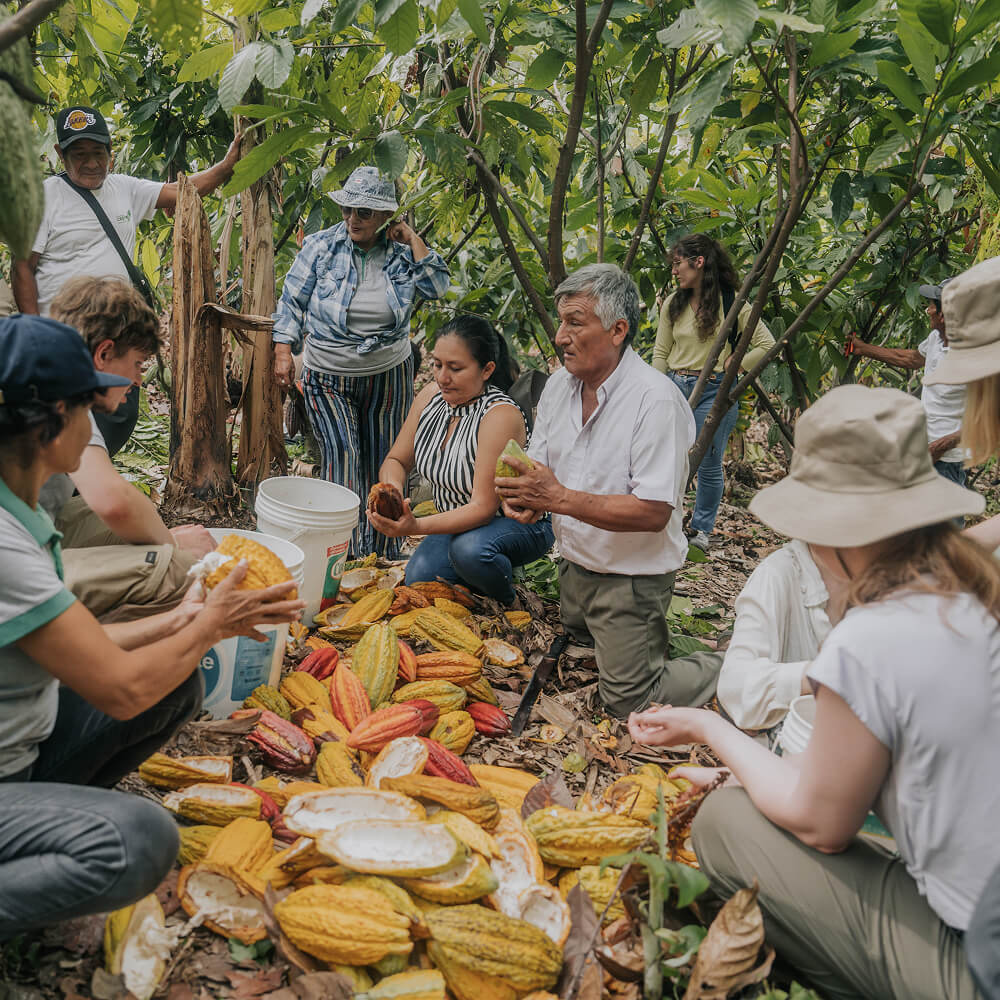
Cadmium can occur naturally in soil and may be taken up by cacao trees. The level depends on origin, soil, region and harvest context. Organic certification alone does not automatically solve this issue, because cadmium is not mainly a conventional-processing residue.
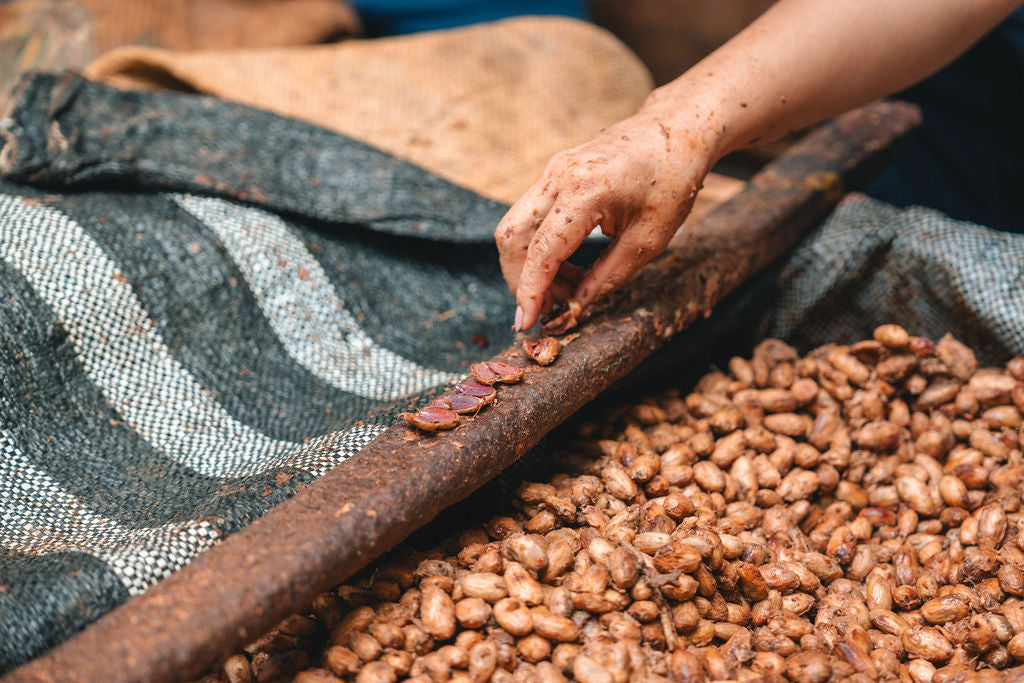
Lead is often connected to contamination after harvest: dust, drying conditions, storage, transport and handling can all matter. That is why origin work, post-harvest quality and clean processing are part of serious cacao sourcing.
Why lab values matter more than purity claims
Many cacao brands talk about purity, ritual or origin. For a buying decision, that is not enough. If you drink 100% cacao regularly, you should be able to see whether a product has been tested and where the current analyses can be found.
Our position is simple: no panic, no downplaying. Heavy metals are a real cacao topic. Transparent lab data makes better decisions possible.
How Moruga handles testing
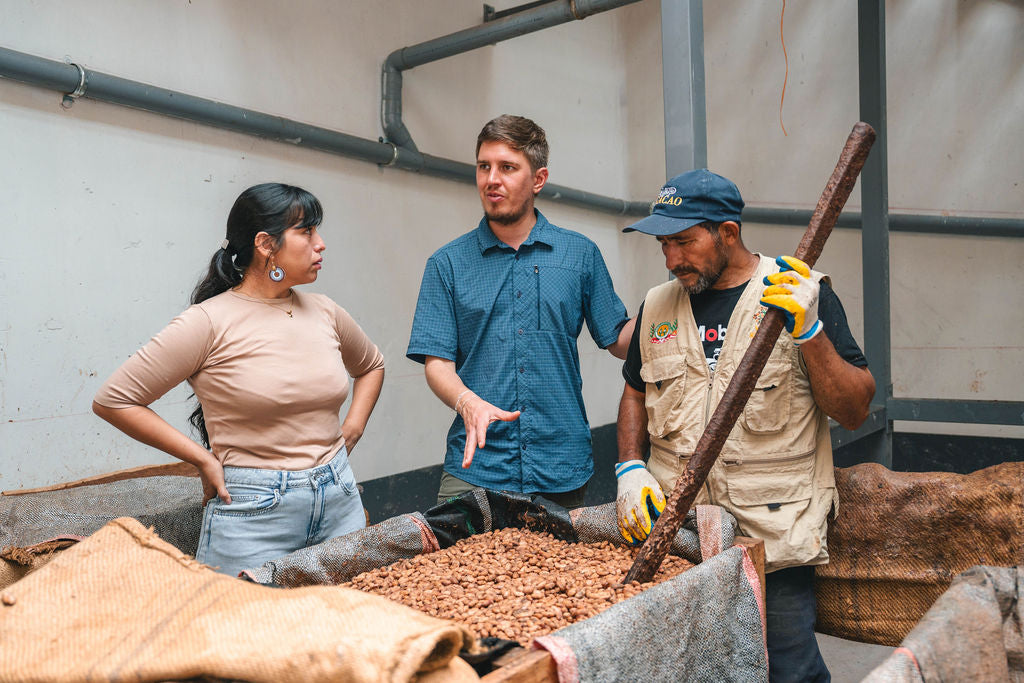
We test relevant cacao lots with accredited food-analysis laboratories and collect the current results on Moruga Lab Tests. This article stays evergreen on purpose; concrete numbers belong on the lab page, where they can stay closer to current batches and varieties.
That is more reliable than leaving old tables inside blog posts after origins, crops or availability change. It also helps you compare lab values with the products that are currently available.
What to check when buying cacao
- Origin: Does the product explain where the cacao comes from?
- Processing: Are fermentation, drying and handling part of the quality story?
- Lab tests: Are current analyses public and easy to find?
- Product form: Is it 100% cacao, cacao powder or a sweetened drink mix?
- Stable choice: Is there a clear overview if one variety is sold out?
For product form, read cocoa powder vs. ceremonial cacao. If you want to understand why quality starts before the product is made, read Specialty Cacao vs. Commodity Cacao.
How this connects to Moruga
Moruga is not built around vague wellness language. Our work is about origin, processing, flavor and transparency fitting together. Lab tests belong to that standard, just like careful fermentation, drying and sourcing.
You can see the broader quality context in Sustainability in Cacao and the current assortment on Cacao Varieties. For broader buying criteria, use our 100% Cacao Buying Guide.
Flavanols, minerals and lab transparency
Heavy metals are only one part of cacao analysis. Some customers also care about polyphenols, flavanols, theobromine and caffeine. For that topic, read Flavanols in Cacao.
The important principle is the same: real values are more useful than big promises.
Conclusion
Cadmium and lead in cacao should be taken seriously, but not dramatized. The best answer is transparency: clear origin work, clean processing, regular lab analysis and honest communication. That is the standard we keep building at Moruga.
Sources and context
- EFSA Panel on Contaminants in the Food Chain: scientific opinions on cadmium in food.
- EU contaminant regulations, including maximum levels for cadmium in cacao and chocolate products.
- Moruga lab analyses, accredited food-analysis laboratories.