


Cacao is a wonderful food, but its supply chain is complicated. When you buy cacao, you are not only buying flavor. You are also buying agriculture, processing, transport, trade and responsibility.
That is why Moruga prefers to talk concretely about origin, quality and transparency instead of using vague sustainability language. Sustainability becomes credible when customers can understand it.
Why origin matters so much in cacao
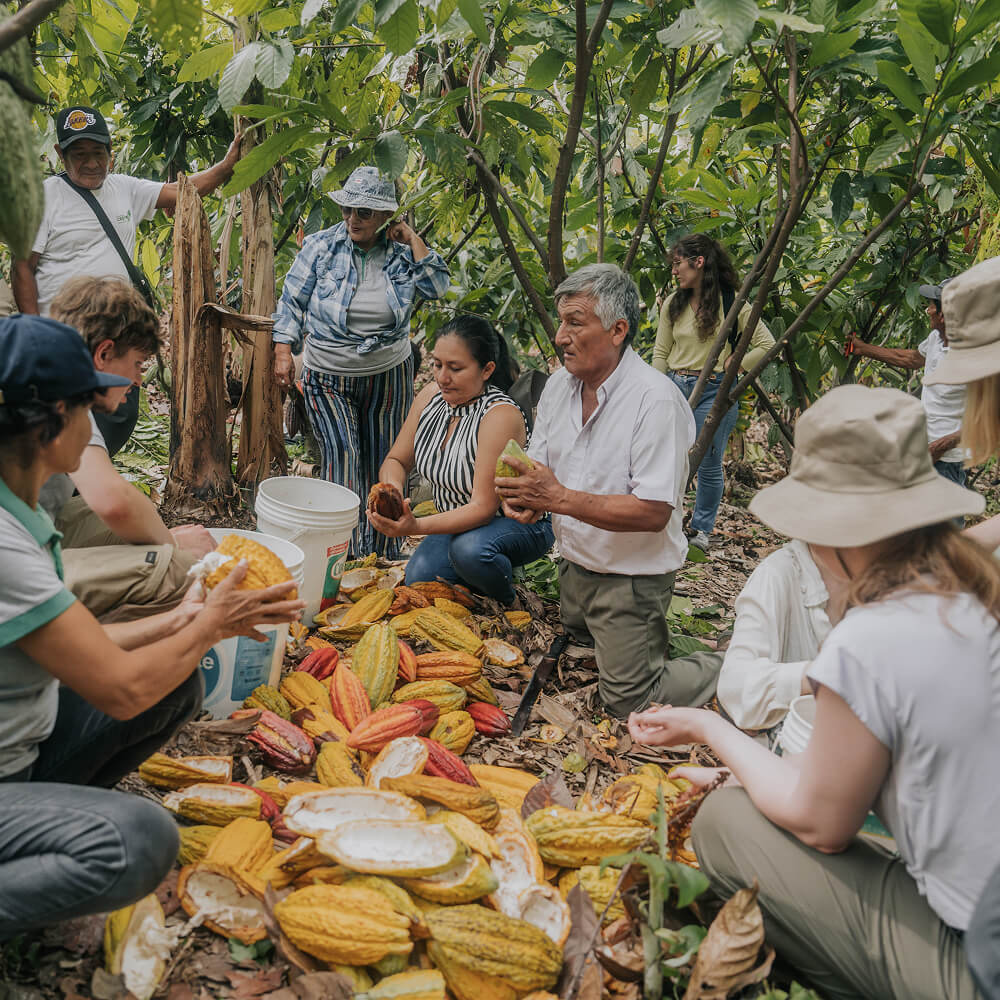
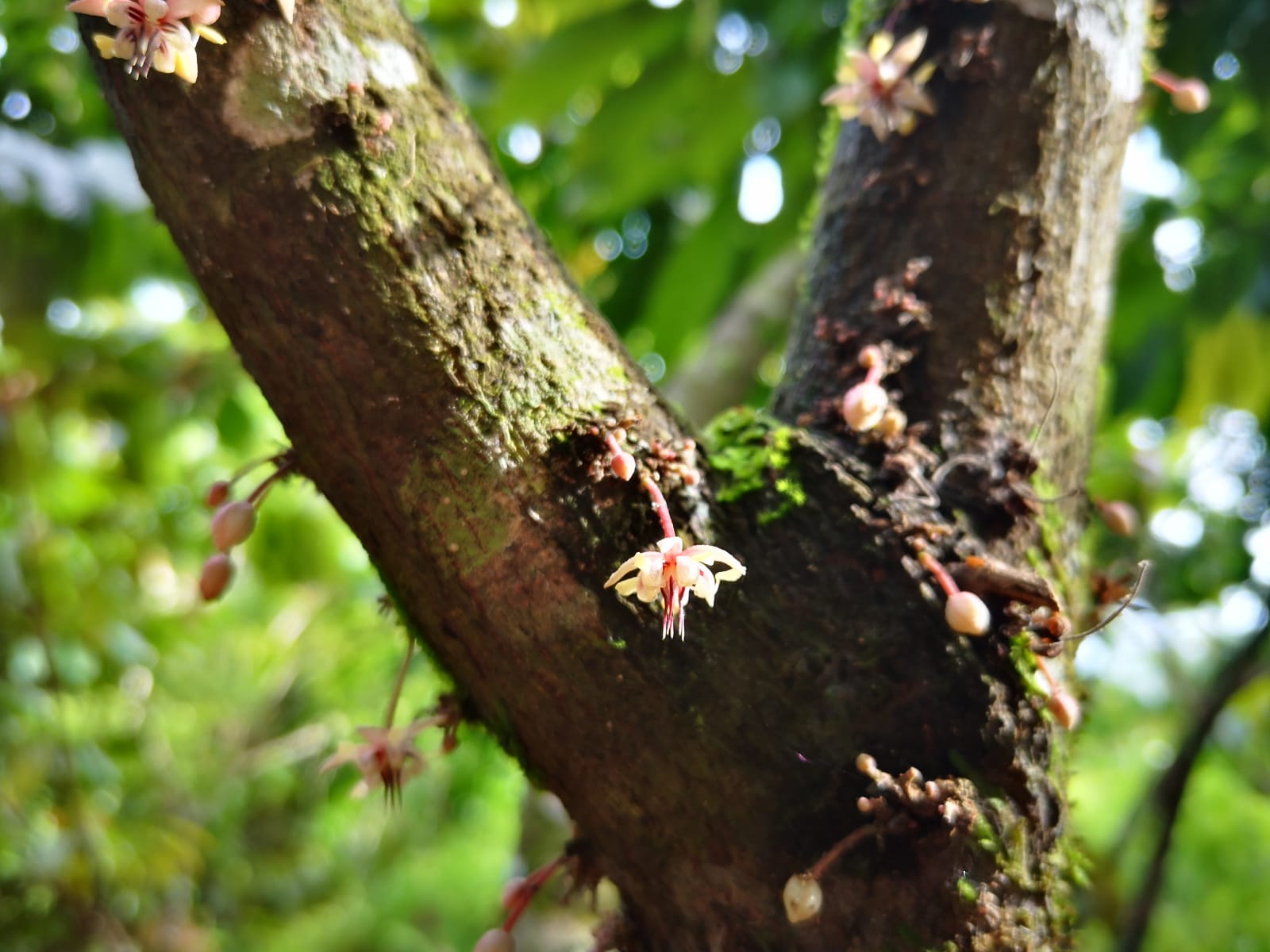
Cacao grows in the tropical belt around the equator. Depending on region, variety, soil, climate and processing, it can taste very different. Origin is therefore not just a romantic story on a label. It is part of quality.
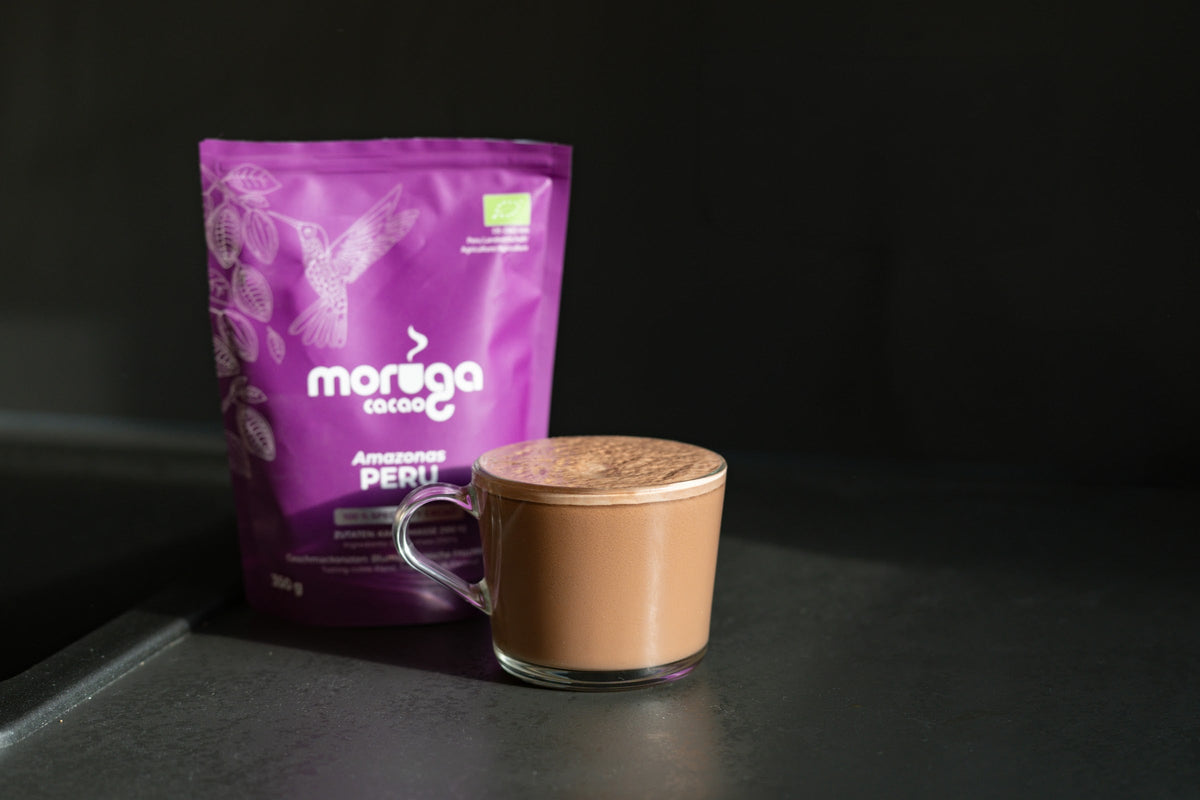
For us, good origin means a traceable supply chain, clear communication, careful processing and a product that works as 100% cacao in the cup.
Sustainability starts with cultivation
Cacao can grow in very different systems. Monoculture, mixed forest and agroforestry are not the same. More diverse cultivation systems are interesting because they can support biodiversity, soil health and long-term quality.
This is also why quality and sustainability belong together. A cacao that is treated as anonymous mass-market goods creates different incentives from a cacao whose origin, harvest and processing remain visible.
Fairness is more than a label
Certifications can help orientation, but they do not automatically solve every problem. In cacao, it matters whether quality is actually paid for, whether supply chains are traceable and whether products are not anonymized.
High-quality, origin-specific cacao matters because it makes differences visible. It creates a market where good work can be recognized and rewarded.
Processing is part of quality
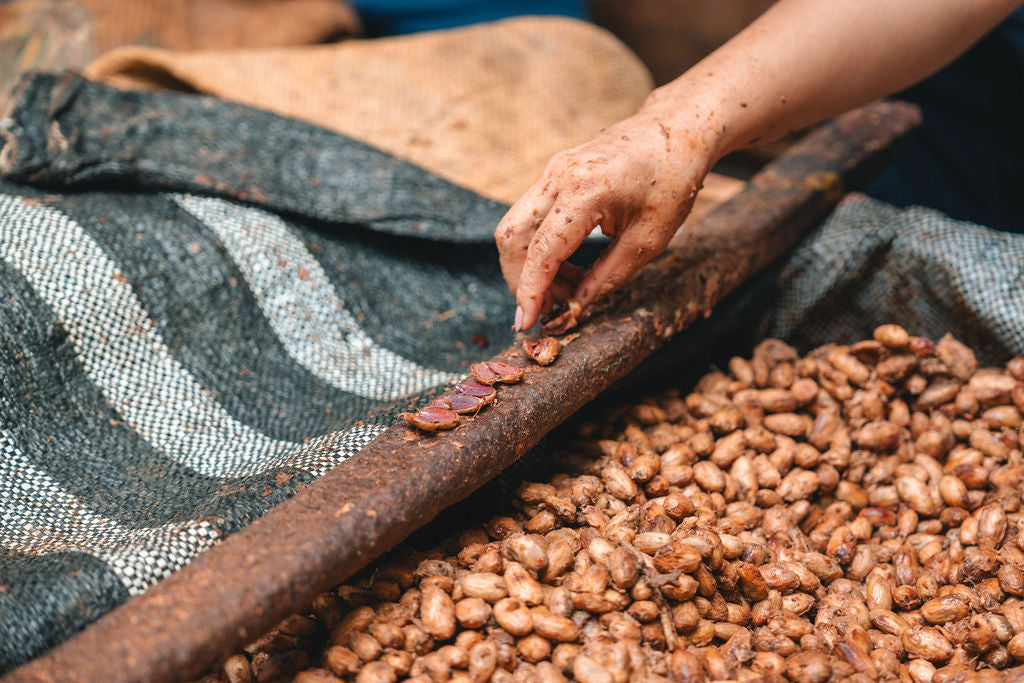
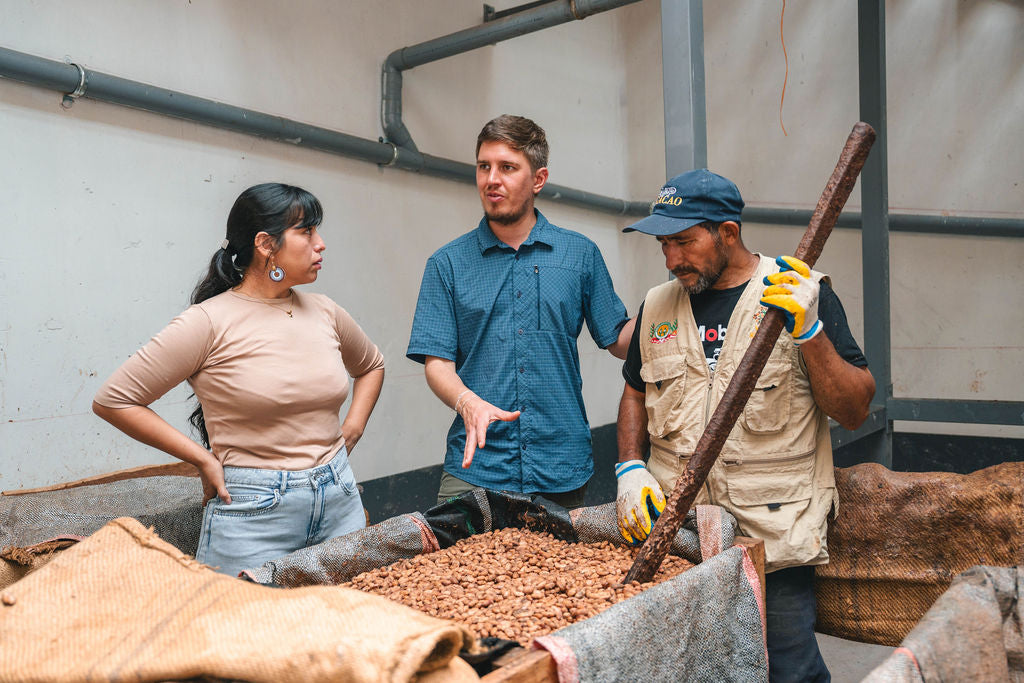
After harvest, cacao beans are fermented, dried, roasted and processed. Every step shapes flavor and texture. Good cacao is not created only on the farm. It is also created through clean processing.
If you want to understand how quality starts with the bean, read specialty cacao vs commodity cacao. For the difference between raw and roasted cacao, read raw cacao vs roasted cacao.
Transparency also means lab values
Cacao is a natural product. Quality therefore means more than flavor. It also means transparency. Lab analyses help put claims about heavy metals and product quality into context.
Our central page is Moruga lab tests. For background, read heavy metals in cacao and Moruga lab tests.
What this means when buying cacao
If you want to buy cacao, look beyond a single sustainability claim. Useful criteria are:
- 100% cacao without sugar, flavoring or fillers.
- Clear origin and understandable processing.
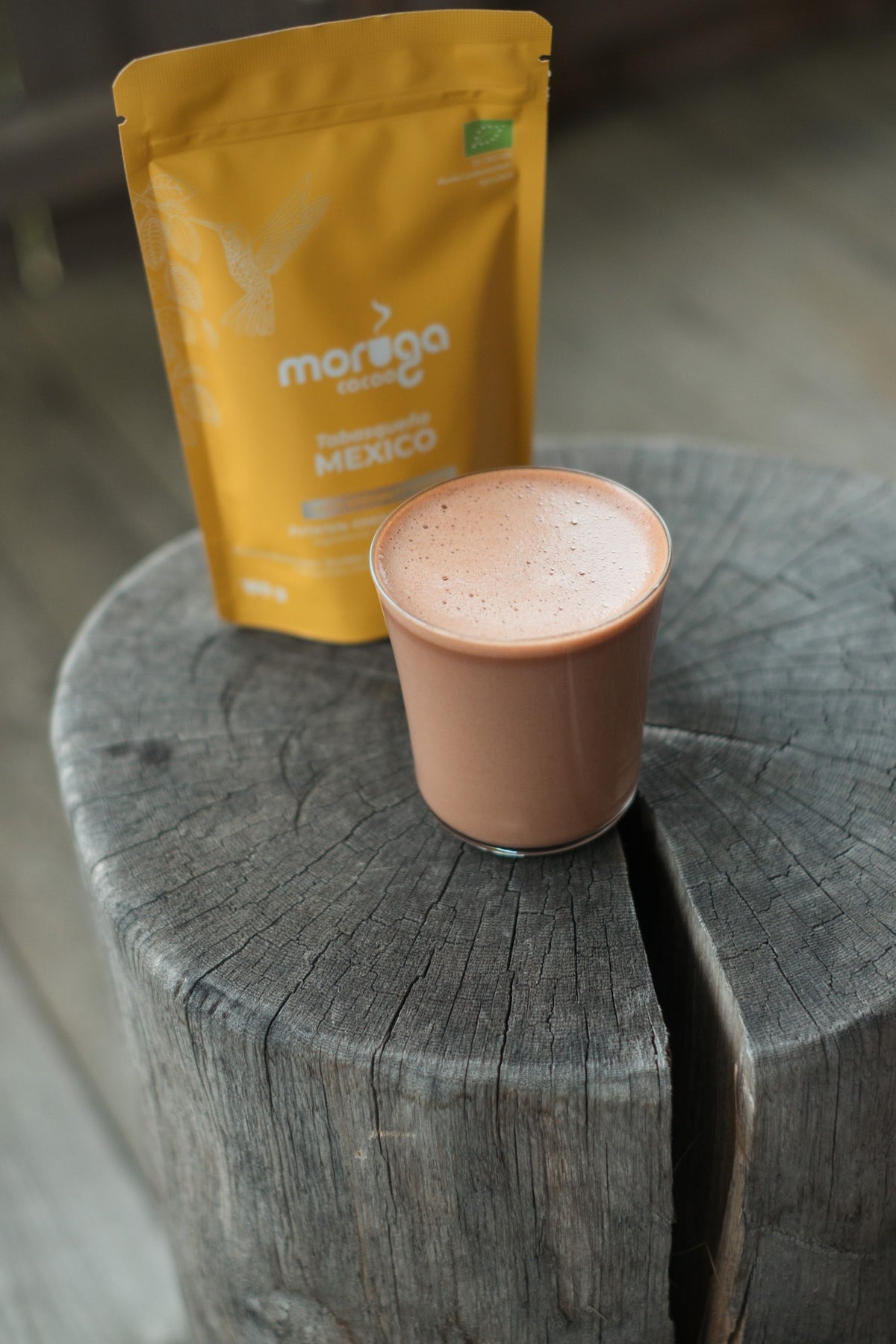
- Good preparation as a drink.
- Transparent lab and quality information.
- Varieties and bundles that do not depend on one old product URL.
You can find current options on Moruga cacao varieties. For a first purchase, the Starter Kit is the simplest route. As a buying guide, read how to buy 100% cacao.
Conclusion
Sustainability in cacao is not a single claim. It is built from many decisions: origin, cultivation, processing, payment, transparency and honest communication. Our contribution is to treat cacao not as anonymous mass goods, but as a high-quality food where origin and quality deserve to be visible.
For our broader view, read the Moruga product philosophy and Moruga on sustainable cacao production.