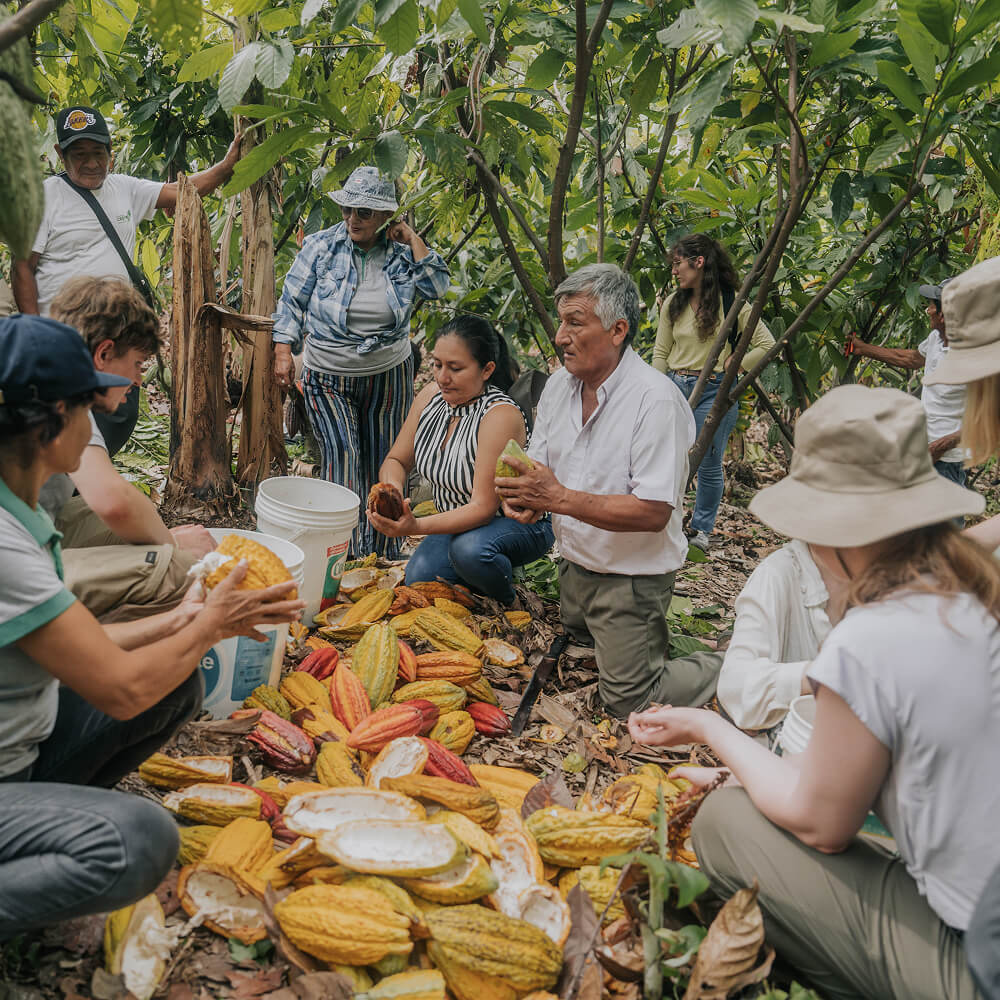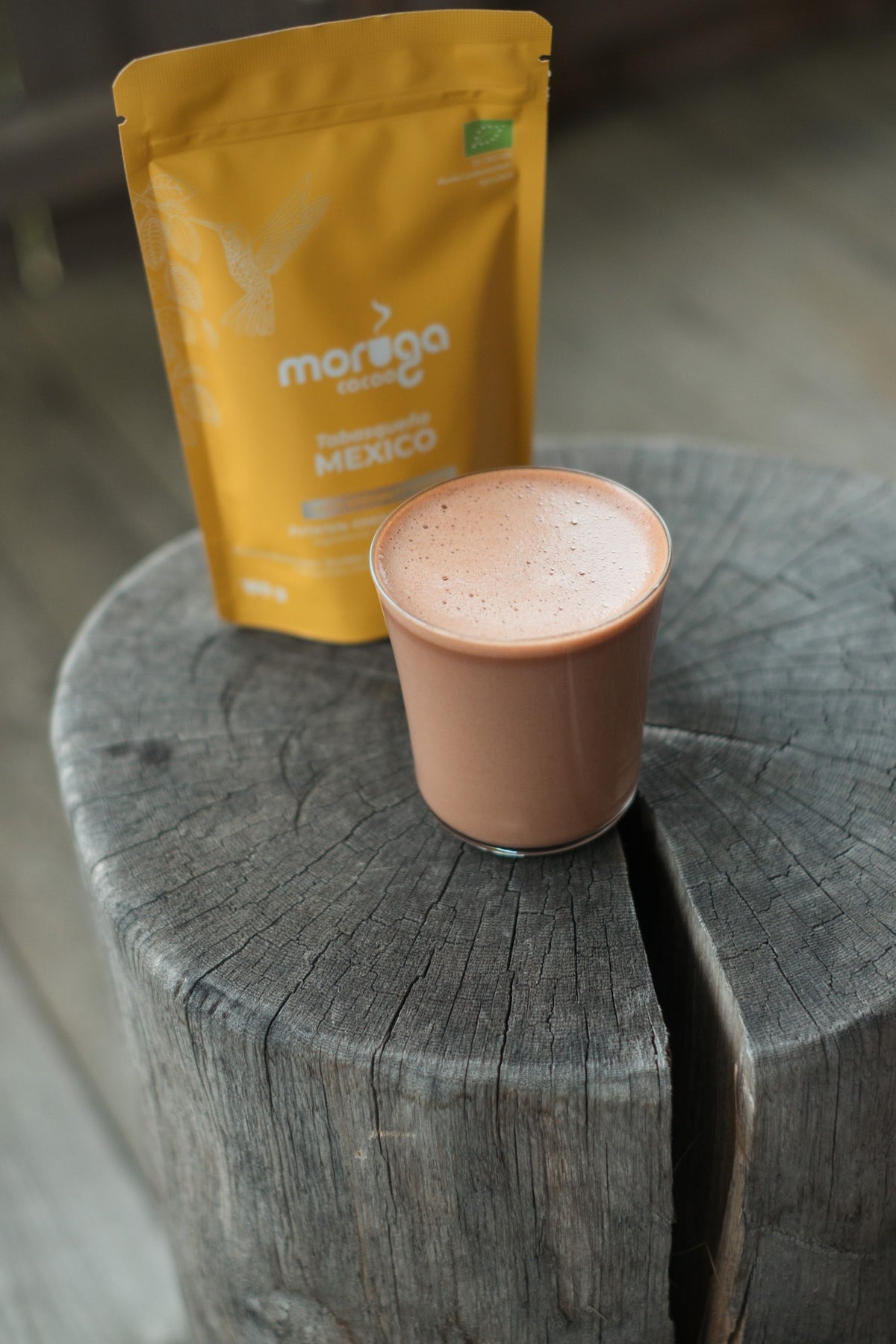




Mexican cacao is not a generic flavor note. It is origin, farming, fermentation and cultural context in one cup. The Selva Zoque region shows why 100% cacao becomes more interesting when you look beyond the word cacao and ask where it grows, how it is fermented and which supply chain stands behind it.
If you want to buy cacao today, use the stable Moruga cacao varieties overview instead of old single-product links. For this origin specifically, start with the Tabasqueno Mexico origin page or the current Tabasqueno Mexico Organic product page.
The Selva Zoque and Mexican cacao
The Selva Zoque in southern Mexico is one of the regions closely associated with long cacao traditions. For Moruga, the important SEO and product point is simple: origin is not decoration. It can influence variety selection, fermentation style, drying, flavor and the way a cacao performs as a 100% drink.

What makes Tabasqueno cacao relevant
Tabasqueno refers to a Mexican cacao context shaped by local genetics, farm practice and post-harvest work. Compared with anonymous commodity cacao, this type of origin story helps explain why one cacao can taste round, chocolatey and tropical while another tastes flat or harsh.
That is also why Moruga separates origin information from current availability. Harvests change, lots sell out and recipes evolve. The best place to compare what is available now is the current varieties overview.

Fermentation, drying and flavor
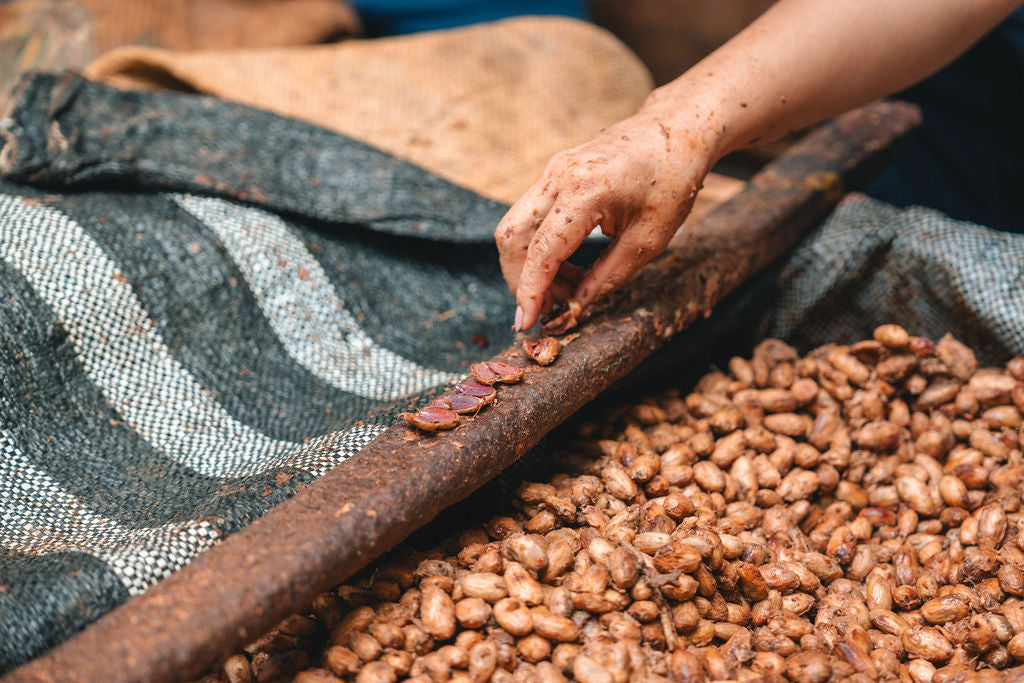
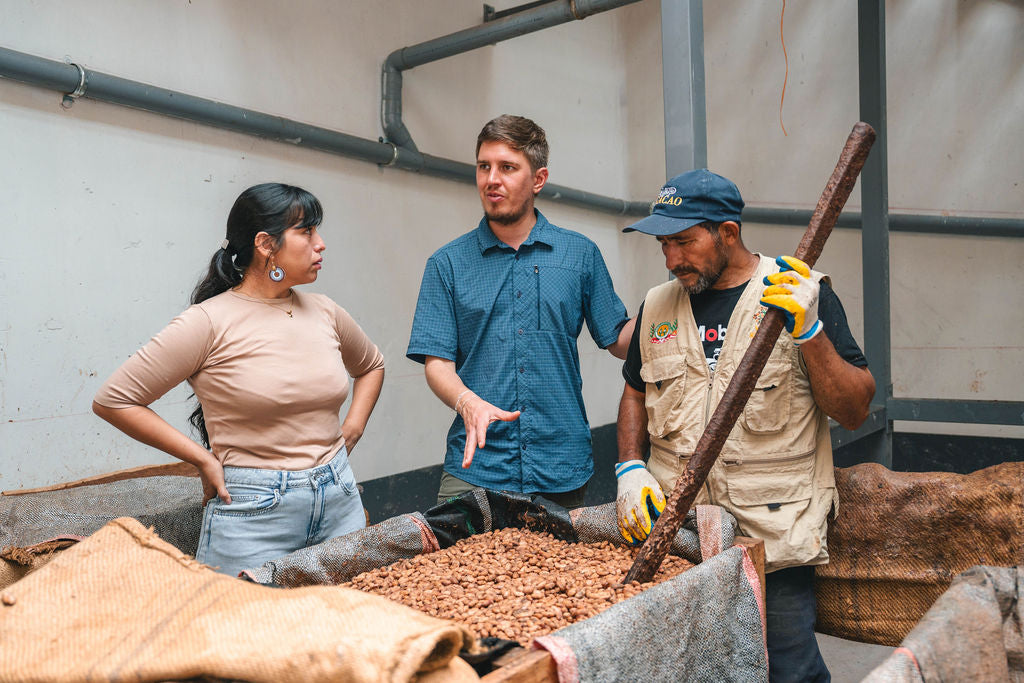
After harvest, cacao beans ferment together with their fruit pulp. Temperature, timing, turning and drying shape the final profile before roasting even begins. This is why a good 100% cacao is not only about ingredients. It is also about agricultural and processing craft.
For a deeper look at this step, read our guide to cacao roasting, flavor and quality. For analytical transparency, see the Moruga lab tests.

Agroforestry instead of simplified origin claims
In diverse cacao gardens, cacao grows with shade trees and other useful plants. Well-managed agroforestry can support soil health, biodiversity and farmer resilience. It is not a magic label, but it is one of the serious signals we look for when assessing origin quality.
For more context, read sustainability, origin and fairness in cacao and our guide to sustainable cacao cultivation.

How to choose Mexican cacao at Moruga
If Tabasqueno is available, compare its flavor profile, intensity and preparation notes on the product page. If it is sold out, the same overview will show the closest current alternatives.
Current next step
Use this article as origin context, then choose through live store pages: compare all current Moruga cacao varieties, check the lab tests, or start with the Starter Kit if you want to taste several origins side by side.